
iPhones
Compare models
Differences at a glance
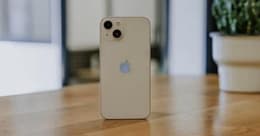
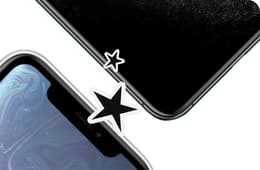
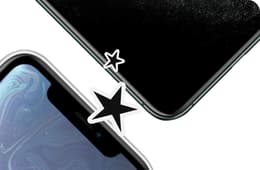
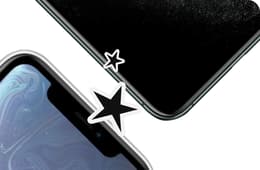
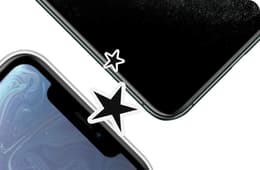
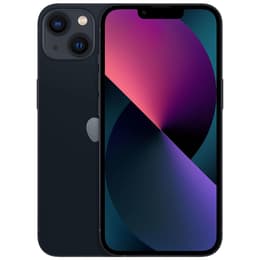
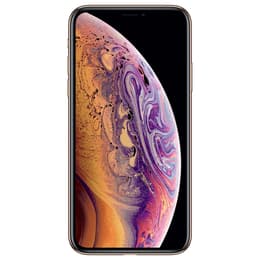
The iPhone 13, released in September 2021, and the iPhone Xs, launched in September 2018, represent different generations within Apple's smartphone lineup. While both devices operate on the iOS platform, the iPhone 13 offers a more recent hardware foundation and updated features compared to the iPhone Xs, which was a flagship device from an earlier era. The primary distinctions lie in their processing capabilities, display technology, and camera systems.
Color
Storage (GB)
When considering the long-term usability of these devices, their respective release dates and Apple's software support policies are key factors.
Release Year
Last OS Compatibility
OS
Foldable
The performance of a smartphone is largely determined by its internal components, influencing how smoothly applications run and how efficiently tasks are handled.
The visual experience on a smartphone is heavily influenced by its display technology, resolution, and brightness capabilities.
Resolution
Screen type
The camera systems on both iPhones are designed to capture high-quality images and videos, though with generational advancements in processing and sensor technology.
Main camera
Front camera
Beyond core performance and display, several practical elements contribute to the overall user experience and device utility.
Weight
Screen size (inches)
Network
SIM card
Carrier compatibility
Connector
The iPhone 13 and iPhone Xs cater to different user needs, primarily due to their generational gap in technology and software support. The iPhone 13, being a more recent release, offers a longer period of major iOS updates, a more powerful processor for demanding tasks, a brighter display, and an enhanced camera system with features like Cinematic mode and improved low-light performance. Users often praise the iPhone 13 for its robust battery life and overall performance, making it a reliable choice for daily use and more intensive applications.
The iPhone Xs, while still a capable device for everyday functions, is approaching the end of its major software support cycle. Users frequently commend the iPhone Xs for its premium build quality and its still-competent camera for general photography. However, some users note its battery life may require more frequent charging, especially with heavy use, and its performance may not keep pace with the latest applications.
Users prioritizing the latest software features, extended longevity, and advanced camera capabilities will find the iPhone 13 better suited to their needs. This device is ideal for those who engage in mobile gaming, extensive photography, or require the fastest possible performance for productivity. Conversely, users seeking a more compact device for essential smartphone functions, who are comfortable with an older software ecosystem, and who value a classic design, may find the iPhone Xs to be a suitable option. Choosing a quality-assured refurbished option for either model can provide an eco-friendly alternative for consumers.