
iPhones
Compare models
Differences at a glance
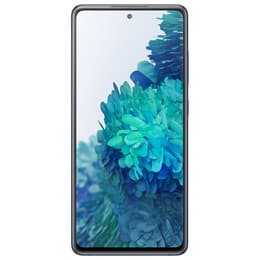
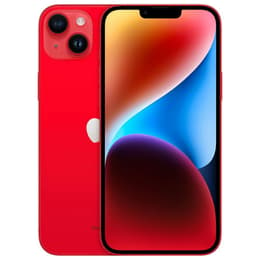
The Samsung Galaxy S20 FE 5G, released in October 2020, and the iPhone 14 Plus, launched in October 2022, are distinct smartphone offerings from two major manufacturers. While both devices provide a large screen experience, they differ significantly in their operating systems, core hardware, and specific feature sets. The Galaxy S20 FE 5G operates on the Android platform, offering a customizable user experience, whereas the iPhone 14 Plus runs on Apple's iOS, known for its integrated ecosystem and streamlined interface.
Color
Storage
When considering the long-term usability of these devices, their respective release timelines and software support policies are key factors. The Galaxy S20 FE 5G, introduced in late 2020, typically receives major Android operating system updates for approximately three generations, meaning its official software support concluded around Android 13 or 14 [34]. The iPhone 14 Plus, released two years later in 2022, benefits from Apple's generally longer software support, extending its practical lifespan for receiving the latest iOS features and security updates for several more years compared to its counterpart.
Release Year
Last OS Compatibility
OS
Foldable
The performance capabilities of the Galaxy S20 FE 5G and the iPhone 14 Plus reflect their different generations of hardware and operating system optimizations. The Galaxy S20 FE 5G is equipped with a processor that handles demanding applications and multitasking smoothly, providing a responsive experience for everyday use and mobile gaming [3, 26, 29, 31]. The iPhone 14 Plus, featuring a newer generation processor, offers enhanced speed and efficiency, resulting in quicker app loading times, smoother graphics for intensive games, and more fluid overall system responsiveness [9, 10].
Both devices offer vibrant display experiences, but they utilize different approaches to screen technology and refresh rates. The Galaxy S20 FE 5G features a 6.5-inch Super AMOLED display with a resolution of 1080 x 2400 pixels, providing clear visuals and rich colors [2, 3, 5, 7, 24]. A notable advantage of the S20 FE 5G is its 120Hz refresh rate, which contributes to smoother scrolling and a more fluid visual experience, particularly in fast-paced content or when navigating the interface [3, 28, 32]. The iPhone 14 Plus, on the other hand, boasts a larger 6.7-inch Super Retina XDR OLED display with a higher resolution of 2778 x 1284 pixels, resulting in a sharper image with a higher pixel density [1, 4, 6, 8, 10, 15, 35]. However, its display operates at a standard 60Hz refresh rate [4, 8, 25, 30].
Resolution
Screen type
The camera systems on the Galaxy S20 FE 5G and the iPhone 14 Plus are designed to capture high-quality photos and videos, each with its own strengths. The Galaxy S20 FE 5G features a versatile triple-camera setup on the rear, including a 12MP main lens, a 12MP ultrawide lens, and an 8MP telephoto lens with 3x optical zoom, allowing for a range of photographic options from wide landscapes to zoomed-in shots [3, 5, 7, 23, 24, 27, 31]. Its 32MP front camera is capable of capturing detailed selfies [3, 5, 7, 23, 24, 28, 31]. The iPhone 14 Plus comes with a dual-camera system, comprising a 12MP main camera with sensor-shift optical image stabilization and a 12MP ultrawide camera [1, 6, 8, 13, 16, 22, 33, 35]. Its 12MP TrueDepth front camera includes autofocus for clearer selfies [1, 6, 13, 16, 22, 35].
Main camera
Front camera
Beyond their core functionalities, both smartphones incorporate various features that enhance user interaction and connectivity. The Galaxy S20 FE 5G supports 5G connectivity, Wi-Fi 6, and Bluetooth 5.0, ensuring modern wireless communication standards [2, 3, 5, 37]. It includes a USB Type-C port for charging and data transfer, and offers an in-display fingerprint sensor for biometric authentication [5, 7]. The iPhone 14 Plus also features 5G capabilities, Wi-Fi 6, and Bluetooth 5.3, along with a Lightning port for connectivity [35]. For biometric security, it relies on Face ID [1, 6, 8, 35].
Weight
Screen size (inches)
Network
SIM card
Carrier compatibility
User feedback for the Samsung Galaxy S20 FE 5G often praises its vibrant 120Hz AMOLED display and its capable camera system, particularly the inclusion of a telephoto lens, making it a well-rounded device for multimedia and photography enthusiasts [3, 23, 32]. Many users also appreciate its strong battery life and the option for expandable storage, which is a significant advantage for those who need more space for media and apps [3, 32, 37, 38]. Criticisms sometimes point to its plastic back, which some perceive as less premium, and the fact that its software support window is shorter compared to newer flagships [32, 34].
The iPhone 14 Plus is frequently lauded for its exceptional battery life, often cited as one of the best in its class, providing extended usage for even heavy users [11, 18, 19, 25, 30]. Its large, bright OLED display is also a common highlight, offering an immersive viewing experience [4, 10, 25]. Users value the robust iOS ecosystem, consistent performance, and advanced safety features like Crash Detection and Emergency SOS via satellite [9, 20]. A frequent point of discussion, however, is its 60Hz display refresh rate, which some users find less fluid compared to devices with higher refresh rates [11, 25, 30].
Users prioritizing a smooth display experience with a 120Hz refresh rate, a dedicated telephoto camera, and expandable storage may find the Galaxy S20 FE 5G well-suited to their needs. Conversely, users who value industry-leading battery life, a larger and sharper display, advanced video capabilities, and a longer software support timeline will likely lean towards the iPhone 14 Plus. Both devices offer compelling features for different user profiles, and considering a quality-assured refurbished option for either model can be an eco-friendly alternative for making an informed choice.