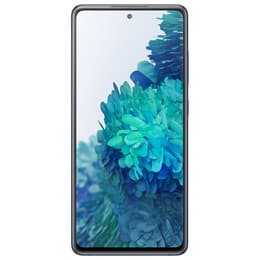
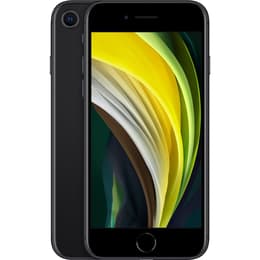

Galaxy S20 FE 5G • Unlocked vs iPhone SE (2020) • Unlocked

Galaxy S20 FE 5G • Unlocked
Starting at

Refurbished price:$135.00

Versus $903.28 new

See options
iPhone SE (2020) • Unlocked
Starting at

Refurbished price:$107.00

Versus $399.00 new

See options

Ratings

The Samsung Galaxy S20 FE 5G (2020) and the Apple iPhone SE 2020 (2020) are both smartphones released in the same year, offering distinct experiences based on their respective operating systems and design philosophies. While the Galaxy S20 FE 5G presents a larger display and a versatile camera system running on Android, the iPhone SE 2020 provides a compact form factor with the powerful iOS ecosystem.

Scores

Durability

The longevity of a smartphone is influenced by its release timeline, software support, and ease of repair. Both devices, launched in 2020, have seen several years of use and updates.

  • Software Support: The iPhone SE 2020, running iOS, typically receives major operating system updates for 5-7 years from its release, with security updates continuing for a few more years, potentially extending its support until 2027-2029. The Galaxy S20 FE 5G, launched with Android 10, was promised three major OS updates (up to Android 13) and four years of security updates, with its monthly security updates transitioning to quarterly in late 2024.
  • Repairability: The iPhone SE 2020 has a repairability score of 6 out of 10 from iFixit, noted for its modular components and straightforward access to the display and battery, which are common failure points. The Galaxy S20 FE 5G scores higher with a 7.5 out of 10 on the repairability scale, indicating it can be repaired with some effort, though the battery may require heating for removal.
  • Expected Lifespan: Given Apple's consistent long-term software support, the iPhone SE 2020 is expected to remain functional and secure for a considerable period. The Galaxy S20 FE 5G has reached the end of its major OS update cycle and has transitioned to less frequent security updates, suggesting a shorter practical lifespan for users who prioritize the latest software features.

Release Year

2020

2020

Last OS Compatibility

No

Yes

OS

Android

iOS

Foldable

No

No

Performance

Performance in daily use is a key factor for any smartphone, encompassing how smoothly applications run, how efficiently the battery operates, and the overall responsiveness of the system.

  • Processor Capabilities: The iPhone SE 2020 is equipped with a processor that handles demanding applications and multitasking smoothly, providing a responsive user experience for several years after its release. The Galaxy S20 FE 5G features a processor that delivers a smooth usage experience, allowing users to play large-scale online games and open multiple applications without significant delays.
  • System Responsiveness: Both devices offer generally fluid navigation and app launching. The iPhone SE 2020's performance is often praised for its speed and lack of lag in everyday tasks. The Galaxy S20 FE 5G also provides a smooth experience, though some users have noted that animations could be better optimized to fully utilize its display's refresh rate.
  • Battery Behavior: The Galaxy S20 FE 5G includes a larger battery capacity, with users reporting it can last through a full day of heavy use and potentially up to two days for lighter users, especially when the display refresh rate is adjusted. The iPhone SE 2020 has a smaller battery, which means moderate users might get through a day, but heavy use, particularly for video streaming or gaming, can drain the battery quickly, often requiring more frequent charging.

Memory (GB)

6 GB

3 GB

Screen quality

The display is a primary interface for smartphone interaction, and both devices offer different visual experiences tailored to their design philosophies.

  • Display Technology and Clarity: The Galaxy S20 FE 5G features a 6.5-inch Super AMOLED display with a resolution of 1080x2400 pixels, offering vibrant colors and deep blacks. The iPhone SE 2020 comes with a 4.7-inch Retina IPS LCD display with a resolution of 750x1334 pixels, known for its color accuracy and clarity.
  • Brightness and Refresh Rate: The Galaxy S20 FE 5G boasts a 120Hz refresh rate, contributing to smoother scrolling and a more fluid visual experience, though some users have noted that outdoor visibility might not be optimal in bright sunlight. The iPhone SE 2020 has a standard 60Hz refresh rate, and while its display is clear indoors, viewing in bright sunlight can be challenging.
  • Screen Size and Viewing Experience: The larger 6.5-inch display of the Galaxy S20 FE 5G provides an expansive viewing area, suitable for media consumption and multitasking. The iPhone SE 2020's 4.7-inch screen offers a compact and easily manageable form factor, though some users find it too small for extensive media viewing or typing.

Resolution

1080 x 2400

750 x 1334

Screen type

Super AMOLED

Retina IPS LCD

Audiovisual

Camera capabilities are a significant consideration for many users, and these two smartphones approach photography with different hardware and software strengths.

  • Camera System: The Galaxy S20 FE 5G features a versatile triple-camera setup on the rear, including a 12-megapixel wide, a 12-megapixel ultrawide, and an 8-megapixel telephoto lens with 3x optical zoom. It also has a high-resolution 32-megapixel front camera. The iPhone SE 2020 has a single 12-megapixel wide camera on the rear and a 7-megapixel front camera.
  • Photography Performance: The Galaxy S20 FE 5G is praised for its camera quality, with users finding it capable of taking excellent pictures. The iPhone SE 2020's single rear camera is noted for producing detailed images with good dynamic range and supports portrait mode for people, benefiting from its powerful image processing.
  • Video Recording and Audio: Both devices offer good video recording capabilities. The Galaxy S20 FE 5G supports 4K video recording at 30 frames per second. The iPhone SE 2020 can record 4K video at up to 60 frames per second, providing high-quality video capture. Both phones generally offer clear microphone quality for calls and recording, and their speakers provide a decent audio experience for media consumption.

Main camera

12 megapixels

12 megapixels

Front camera

32 megapixels

7 megapixels

Miscellaneous

Beyond core features, several practical elements contribute to the overall user experience and differentiate these two devices.

  • Connectivity and Ports: The Galaxy S20 FE 5G supports 5G connectivity, Wi-Fi 802.11 a/b/g/n/ac, and Bluetooth v5.00, featuring a USB Type-C port. The iPhone SE 2020 supports Gigabit-class LTE (4G), Wi-Fi, and Bluetooth, utilizing a Lightning port. Neither device includes a traditional headphone jack.
  • Sensors and Biometrics: The Galaxy S20 FE 5G incorporates an in-display fingerprint sensor and supports face unlock. The iPhone SE 2020 features Touch ID, a fingerprint sensor integrated into the home button, which some users find reliable and convenient, especially when face masks are in use.
  • Design and Handling: The Galaxy S20 FE 5G has a plastic back and an aluminum frame, offering an IP68 rating for dust and water protection. It measures 159.80 x 74.50 x 8.40mm and weighs 190 grams. The iPhone SE 2020 features a glass front and back with an aluminum frame, providing an IP67 rating for water and dust resistance. It is more compact, measuring 138.4 x 67.3 x 7.3 mm and weighing 148 grams, making it lightweight and easy to handle with one hand.

Weight

6 oz

5 oz

Screen size (inches)

6.5

4.7

Network

5G

LTE

SIM card

Physical SIM

Physical SIM + eSIM

Carrier compatibility

Unlocked

Unlocked

The Samsung Galaxy S20 FE 5G and the iPhone SE 2020, both released in 2020, cater to different user preferences, offering distinct advantages in their respective ecosystems.

Users frequently praise the Galaxy S20 FE 5G for its excellent camera quality, long battery life, and the smooth experience provided by its 120Hz display. Common criticisms include the absence of a headphone jack, its larger size, and occasional reports of overheating or durability concerns. On the other hand, the iPhone SE 2020 is often lauded for its powerful performance, compact size, and the reliability of its iOS software. However, its smaller battery capacity is a frequent point of concern for heavy users, and some find the display size and older design with large bezels to be drawbacks.

Users prioritizing a large, vibrant display with a high refresh rate, a versatile multi-lens camera system, and extended battery life for media consumption and gaming may find the Galaxy S20 FE 5G well-suited to their needs. Its Android operating system also offers more customization options and expandable storage. Conversely, individuals who value a compact, lightweight device that is easy to use with one hand, prefer the intuitive iOS ecosystem, and prioritize consistent, long-term software updates will likely lean towards the iPhone SE 2020. While its battery life may require more mindful usage, its processing power ensures smooth performance for everyday tasks and applications.

For those seeking a quality-assured refurbished option, both models are available, offering an eco-friendly alternative to purchasing new devices.

See all articles

Our recent comparisons