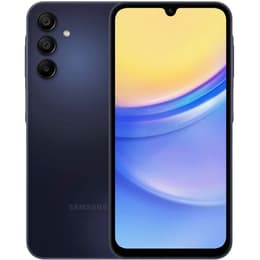
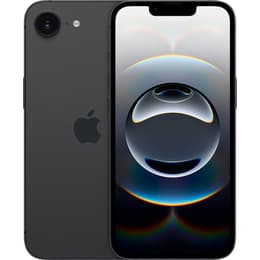

Galaxy A15 5G • Unlocked vs iPhone 16e • Unlocked

Galaxy A15 5G • Unlocked
Starting at

Refurbished price:$108.00

Versus $207.99 new

See options
iPhone 16e • Unlocked
Starting at

Refurbished price:$361.00

Versus $599.00 new

See options

Ratings

The Samsung Galaxy A15 5G, released in early 2024, and the Apple iPhone 16E, introduced in early 2025, represent distinct approaches to smartphone design and functionality. While the Galaxy A15 5G offers a feature-rich Android experience with a focus on display and battery life, the iPhone 16E provides an entry point into Apple's ecosystem with its robust performance and integrated software. These devices cater to different user preferences, with the Galaxy A15 5G running on Android and the iPhone 16E on iOS.

Scores

Durability

The longevity of a smartphone is influenced by its release timeline, software support, and physical durability. The Samsung Galaxy A15 5G, launched in early 2024, benefits from Samsung's commitment to four major OS upgrades and five years of security updates, extending its software support until approximately 2029. [1, 14, 33] In contrast, the iPhone 16E, released in February 2025, had a notably short market presence, being discontinued in March 2026 with the introduction of its successor, the iPhone 17e. [16] Despite its brief availability, Apple typically provides extensive software support for its devices, ensuring the iPhone 16E would receive iOS updates for several years from its release.

  • Software Updates: The Galaxy A15 5G is projected to receive Android OS updates for a longer period from its release, offering extended access to new features and security patches. [1, 14, 33]
  • Physical Durability: The iPhone 16E features Ceramic Shield protection on its display and an IP68 rating for dust and water resistance, suggesting a higher degree of protection against environmental elements. [16, 26] The Galaxy A15 5G, while reasonably durable for everyday use, lacks an official IP rating and uses Dragontrail Pro glass, making a case and screen protector advisable for enhanced protection. [1, 2, 18, 31]
  • Practical Lifespan: Users prioritizing long-term software support on an Android platform may find the Galaxy A15 5G a suitable choice, while those seeking the robust build and ecosystem integration of an iPhone, despite its short retail window, would consider the iPhone 16E.

Release Year

2023

2025

OS

Android

iOS

Foldable

No

No

Performance

Evaluating smartphone performance involves looking beyond raw specifications to understand how devices handle daily tasks, from app usage to multitasking and gaming. The Galaxy A15 5G and iPhone 16E offer different performance profiles tailored to their respective operating systems.

  • Processing Power: The iPhone 16E is equipped with an A18 chip, providing a responsive experience for demanding applications and supporting advanced AI features. [16, 26] The Galaxy A15 5G, powered by a MediaTek Dimensity 6100+ processor, handles everyday tasks adequately, though some users have noted occasional slowdowns during heavy multitasking or app loading. [1, 3, 14]
  • Multitasking and Responsiveness: With 8GB of RAM, the iPhone 16E offers smooth transitions between multiple applications, contributing to a fluid user experience. [16, 26] The Galaxy A15 5G, available with up to 8GB of RAM, generally manages multitasking well, though its processor can be taxed when running numerous intensive apps simultaneously. [3, 4, 14]
  • Storage Options: Both devices offer various internal storage configurations. The Galaxy A15 5G provides expandable storage up to 1TB via microSD, offering flexibility for users who need significant space for media and files. [4, 5, 14] The iPhone 16E comes with internal storage options up to 512GB, without expandable storage. [16, 26]

Memory (GB)

4 GB

8 GB

Screen quality

The visual experience on a smartphone is largely defined by its display, encompassing technology, resolution, brightness, and refresh rate. Both the Galaxy A15 5G and iPhone 16E offer clear and vibrant screens, but with distinct characteristics.

  • Display Technology and Clarity: The Galaxy A15 5G features a 6.5-inch Super AMOLED display, known for its deep blacks and vibrant colors, with a 1080x2340 (FHD+) resolution. [1, 5, 7, 9, 13] The iPhone 16E utilizes a 6.1-inch Super Retina OLED XDR display, offering excellent contrast and color accuracy. [26]
  • Brightness and Outdoor Visibility: The Galaxy A15 5G can reach up to 800 nits in High Brightness Mode, providing good visibility in various lighting conditions, including outdoors. [1, 9, 15, 22] The iPhone 16E's display offers 800 nits max brightness and 1200 nits peak HDR brightness, ensuring clear viewing even in bright sunlight. [26]
  • Refresh Rate and Smoothness: The Galaxy A15 5G boasts a 90Hz refresh rate, contributing to smoother scrolling and a more fluid visual experience compared to standard 60Hz displays. [1, 5, 7, 9, 15, 22] The iPhone 16E features a 60Hz refresh rate, which provides a consistent visual experience, though it may not feel as fluid as higher refresh rate screens during fast-paced content or scrolling. [16, 26]

Resolution

1080 x 2340

2532x1170

Screen type

Super AMOLED

Super Retina XDR

Audiovisual

Camera capabilities are a significant factor for many smartphone users, influencing how they capture and share moments. The Galaxy A15 5G and iPhone 16E approach photography with different hardware and software optimizations.

  • Rear Camera System: The Galaxy A15 5G includes a versatile triple-camera setup with a 50MP main sensor, a 5MP ultrawide lens, and a 2MP macro lens, offering options for various shot types. [1, 2, 7, 9, 14] The iPhone 16E features a single 48MP wide rear camera, focusing on high-quality primary shots and leveraging computational photography for enhanced results. [16, 24, 26]
  • Photography Performance: The Galaxy A15 5G delivers good results in bright lighting with decent color balance, though its ultrawide and low-light performance are considered average. [1, 3, 15, 23] The iPhone 16E's single camera, supported by the A18 chip, offers strong performance in various conditions, including features like Smart HDR 5 and improved portrait capabilities for human subjects. [16, 26]
  • Video Recording and Audio: Both devices support video recording at 1080p at 30 frames per second. [7, 9, 14, 16, 22, 23] The iPhone 16E also includes spatial audio recording and wind noise reduction for improved audio quality in videos. [16] The Galaxy A15 5G features a mono speaker, while the iPhone 16E offers Dolby Atmos-tuned Spatial Audio for a more immersive listening experience. [14, 16, 31]

Main camera

50 megapixels

48MP

Front camera

13 megapixels

TrueDepth 12MP

Miscellaneous

Beyond core features, several practical elements contribute to the overall user experience of a smartphone. The Galaxy A15 5G and iPhone 16E offer distinct connectivity, port, and build characteristics.

  • Connectivity and Ports: Both devices support 5G connectivity, Bluetooth 5.3, and NFC for mobile payments. [6, 7, 14, 16, 22] The Galaxy A15 5G includes a 3.5mm headphone jack and a USB-C 2.0 port, along with dual SIM capabilities and expandable storage via microSD. [5, 6, 7, 14, 22] The iPhone 16E features a USB-C 2.0 port and supports dual eSIM in some regions, but lacks a headphone jack and expandable storage. [16]
  • Biometric Security and Interaction: The iPhone 16E relies on Face ID for secure authentication and features an Action Button, which can be customized for quick access to various functions. [16, 25, 26] The Galaxy A15 5G incorporates a side-mounted fingerprint reader for unlocking and security. [3, 12]
  • Build Materials and Handling: The Galaxy A15 5G has a plastic back and frame, contributing to its 200-gram weight. [2, 4, 6, 14] The iPhone 16E features an aluminum frame and glass back, weighing 167 grams, offering a different in-hand feel. [16]

Weight

7 oz

167 oz

Screen size (inches)

6.5

6.1

Network

5G

5G

SIM card

Physical SIM

eSIM

Carrier compatibility

Unlocked

Unlocked

Connector

USB-C

USB-C

The Samsung Galaxy A15 5G and iPhone 16E cater to different user priorities, each excelling in specific areas. Users often praise the Galaxy A15 5G for its impressive battery life, vibrant Super AMOLED display, and the inclusion of a headphone jack and expandable storage. [1, 2, 4, 15, 22] Some common criticisms include its performance, which can be slow during heavy multitasking, and the lack of an IP rating. [1, 3] Conversely, the iPhone 16E is generally lauded for its powerful processor, robust software ecosystem, and premium build quality with Ceramic Shield and IP68 water resistance. [16, 26] However, its single rear camera and 60Hz display might be noted as limitations compared to other devices in its class.

Users prioritizing an extended software update lifespan on an Android device, along with a large, vibrant display and flexible storage options, may find the Galaxy A15 5G well-suited to their needs. It is a practical choice for those who value battery endurance and traditional connectivity features. On the other hand, users who prefer the iOS ecosystem, strong performance for demanding applications, and enhanced physical durability will likely lean towards the iPhone 16E. It offers a streamlined experience and access to Apple's integrated services. For those considering either device, exploring quality-assured refurbished options can provide an eco-friendly alternative, allowing access to these technologies while making a sustainable choice.

See all articles

Our recent comparisons