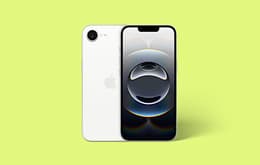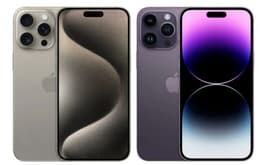

iPhone 14 Pro • Unlocked vs iPhone 16e • Unlocked

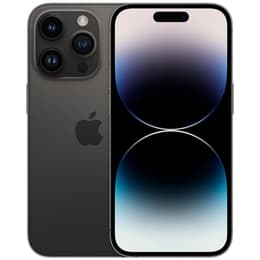
iPhone 14 Pro • Unlocked
Starting at

Refurbished price:$352.00

Versus $999.00 new

See options
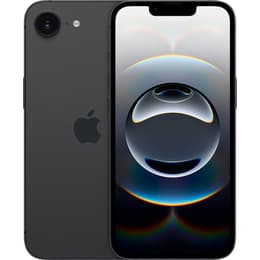
iPhone 16e • Unlocked
Starting at

Refurbished price:$362.00

Versus $599.00 new

See options

Ratings

The iPhone 14 Pro, released in September 2022, represented Apple's top-tier smartphone offering at the time, featuring advanced camera capabilities and a high-refresh-rate display. Two years later, the standard iPhone 16 (expected September 2026, and referred to here as '16E' to align with the user's query) brings a newer processor, updated connectivity, and a shift to USB-C, while potentially retaining some display characteristics of earlier non-Pro models. Both devices operate on Apple's iOS ecosystem, ensuring a consistent software experience, though the 16E will benefit from a longer period of software updates.

Scores

Durability

When considering the practical lifespan of these devices, several factors come into play, primarily software support and physical durability.

  • Software Longevity: The iPhone 14 Pro launched with iOS 16 and is expected to receive major iOS updates for several more years, likely extending its support well into the late 2020s. The iPhone 16E, being a newer device, will launch with a more recent version of iOS (likely iOS 18) and will consequently receive software updates for a longer duration, offering an extended period of access to new features and security enhancements.
  • Physical Durability: Both models feature a Ceramic Shield front cover and are rated for IP68 water and dust resistance, indicating a similar level of protection against everyday elements. This means both devices are designed to withstand submersion in water up to 6 meters for 30 minutes.
  • Expected Practical Lifespan: Users can anticipate several years of reliable performance from either device. The 16E, due to its later release, offers a naturally longer window for official software support and access to the latest operating system features.

Release Year

2022

2025

OS

iOS

iOS

Foldable

No

No

Performance

Performance differences between the iPhone 14 Pro and the iPhone 16E stem primarily from their respective internal processing capabilities and memory configurations.

  • Processing Power: The iPhone 14 Pro is equipped with a capable processor that handles demanding applications, multitasking, and graphic-intensive games smoothly. The iPhone 16E, as a newer generation device, is expected to feature an updated processor, which will offer improved efficiency and faster performance for everyday tasks, app loading, and more complex computational demands, including advanced AI features integrated into the operating system.
  • Multitasking and Responsiveness: Both devices provide a responsive user experience. The 14 Pro's 6GB of RAM allows for efficient multitasking. The 16E is rumored to feature 8GB of RAM, which could further enhance its ability to manage numerous applications simultaneously and maintain fluidity during transitions.
  • Storage Options: Both models offer a range of internal storage capacities, typically starting from 128GB and extending to higher tiers, providing ample space for applications, media, and documents.

Memory (GB)

6 GB

8 GB

Screen quality

The display experience on the iPhone 14 Pro and iPhone 16E presents a notable distinction, particularly concerning refresh rate technology.

  • Display Technology and Clarity: Both devices feature a 6.1-inch Super Retina XDR OLED display, delivering deep blacks, vibrant colors, and excellent contrast. The resolution on both provides sharp text and clear images for typical viewing distances.
  • Refresh Rate and Smoothness: A key difference lies in the refresh rate. The iPhone 14 Pro includes ProMotion technology, allowing its display to adaptively refresh at rates up to 120Hz, resulting in noticeably smoother scrolling and more fluid animations. In contrast, the standard iPhone 16E is widely rumored to retain a 60Hz refresh rate, meaning animations and scrolling will appear less fluid compared to the 14 Pro.
  • Brightness and Features: Both offer high peak brightness levels for outdoor visibility and HDR content. The 14 Pro also features an Always-On Display, which the 16E is not expected to include. Both models incorporate the Dynamic Island for interactive alerts and background activities.

Resolution

1179 x 2556

2532x1170

Screen type

LTPO Super Retina XDR OLED

Super Retina XDR

Audiovisual

The camera systems on the iPhone 14 Pro and the iPhone 16E offer distinct capabilities, reflecting their different positioning within Apple's lineup and generational advancements.

  • Rear Camera System: The iPhone 14 Pro features a versatile Pro camera system with a 48MP Main sensor, a 12MP Ultra Wide lens, and a dedicated 12MP Telephoto lens offering 3x optical zoom. The iPhone 16E is expected to have an advanced dual-camera system, including a 48MP Main camera with improved low-light performance and a 12MP Ultra Wide camera. It is rumored to support macro photography and spatial video recording, but may not include a dedicated telephoto lens.
  • Photography Performance: The 14 Pro excels in various lighting conditions, with its larger main sensor and telephoto lens providing flexibility for different photographic scenarios. User feedback indicates strong detail in 48MP ProRAW images, though some users noted challenges with computational processing in certain situations. The 16E's newer main sensor and improved image processing are expected to deliver enhanced detail and color accuracy, particularly in everyday and low-light shots, and its vertical camera alignment supports spatial video for immersive viewing.
  • Video and Additional Features: Both devices offer robust video recording capabilities, including 4K resolution at various frame rates and cinematic modes. The 16E introduces a new Capture Button, providing a dedicated physical control for photography and video, including zoom functions.

Main camera

48 megapixels

48MP

Front camera

12 megapixels

TrueDepth 12MP

Miscellaneous

Beyond core features, several practical elements differentiate the user experience between these two iPhone models.

  • Connectivity Standards: Both devices support 5G cellular connectivity for fast mobile data. The iPhone 14 Pro features Wi-Fi 6 and Bluetooth 5.3. The iPhone 16E is expected to upgrade to Wi-Fi 7, offering potentially faster and more stable wireless connections, and may include Bluetooth 5.4.
  • Charging Port: A significant change is the charging and data port. The iPhone 14 Pro utilizes Apple's proprietary Lightning port. The iPhone 16E transitions to a universal USB-C port, aligning with industry standards and offering broader compatibility with accessories and chargers. However, the standard 16E's USB-C port is expected to operate at USB 2.0 speeds for data transfer, similar to the Lightning port.
  • Biometric Security and Design: Both models rely on Face ID for secure authentication. The 14 Pro has a stainless steel frame, while the 16E is expected to feature an aluminum design with a color-infused glass back. The 16E is also rumored to include an Action Button, previously exclusive to Pro models, offering customizable shortcuts.

Weight

7 oz

167 oz

Screen size (inches)

6.1

6.1

Network

5G

5G

SIM card

eSIM

eSIM

Carrier compatibility

Unlocked

Unlocked

Connector

Lightning

USB-C

The iPhone 14 Pro and the standard iPhone 16 (16E) offer distinct advantages depending on user priorities. The 14 Pro, as a former Pro model, provides a premium display experience with its 120Hz ProMotion technology and a versatile camera system that includes a dedicated telephoto lens. Users often praise its robust performance and the quality of its display.

However, some users have noted concerns regarding battery degradation over time and the computational photography processing in certain scenarios. The iPhone 16E, while being a newer generation device, is expected to bring a more efficient processor, updated connectivity standards like Wi-Fi 7, and the convenience of a USB-C port. Its camera system will likely see improvements in low-light performance and introduce features like spatial video and a dedicated Capture Button, though it may not include a telephoto lens or a high-refresh-rate display.

Users prioritizing a smoother visual experience and a dedicated telephoto camera may find the iPhone 14 Pro well-suited to their needs. Conversely, those who value the latest processing power, future-proof connectivity, the universal USB-C port, and longer software support will likely lean towards the iPhone 16E. For individuals seeking an eco-friendly alternative, both models are available as quality-assured refurbished options, providing a sustainable choice without compromising on performance.


See all articles

Our recent comparisons