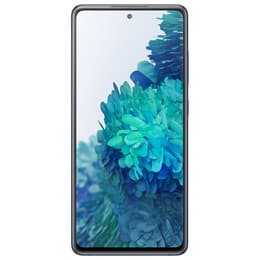
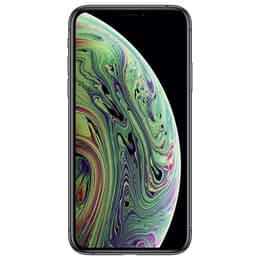

Galaxy S20 FE 5G • Unlocked vs iPhone XS • Unlocked

Galaxy S20 FE 5G • Unlocked
Starting at

Refurbished price:$135.00

Versus $903.28 new

See options
iPhone XS • Unlocked
Starting at

Refurbished price:$149.00

Versus $459.00 new

See options

Ratings

The Samsung Galaxy S20 FE 5G, released in October 2020, and the Apple iPhone XS, launched in September 2018, represent different approaches to smartphone design and user experience from their respective manufacturers. While the Galaxy S20 FE 5G offers a larger display with a higher refresh rate and a more versatile camera system, the iPhone XS focuses on a compact form factor and a highly optimized software ecosystem. These devices run on distinct operating systems, Android and iOS, which significantly shape their functionality and user interaction.

Scores

Durability

When considering the longevity of these devices, several factors come into play, including their initial release dates and the typical duration of software support.

  • Release Timeline: The Galaxy S20 FE 5G was released in October 2020, making it approximately two years newer than the iPhone XS, which debuted in September 2018. This difference in age can impact the remaining period of official software updates.
  • Software Longevity: The iPhone XS launched with iOS 12 and received major updates up to iOS 18, released in 2024. It is expected to continue receiving security updates through late 2026. The Galaxy S20 FE 5G, starting with Android 10, has received updates up to Android 13, with further updates depending on Samsung's policy.
  • Repairability: The Galaxy S20 FE 5G has a moderate repairability score of 7.5 out of 10, indicating that components like the battery are relatively accessible, though some adhesive is used. The iPhone XS has a repairability score of 6 out of 10, with screen and back panel replacements noted as potentially challenging.

Release Year

2020

2018

Last OS Compatibility

No

Yes

OS

Android

iOS

Foldable

No

No

Performance

Both devices offer capable performance for their respective generations, handling daily tasks and more demanding applications with efficiency, though their underlying architectures differ.

  • Processing Power: The Galaxy S20 FE 5G is equipped with a processor that allows for smooth operation, including playing large-scale online games and running multiple applications without noticeable delays. The iPhone XS features a highly optimized processor designed for swift responsiveness, making it adept at handling demanding apps and providing a fluid gaming experience.
  • Multitasking and Responsiveness: The Galaxy S20 FE 5G typically comes with 6GB or 8GB of RAM, contributing to its ability to manage multiple applications simultaneously. The iPhone XS, with 4GB of RAM, benefits from iOS's efficient memory management, ensuring a smooth user experience even with several apps open.
  • Battery Behavior: The Galaxy S20 FE 5G includes a 4500 mAh battery, providing extended usage, with reports indicating around two days of use with a 120Hz refresh rate and over 53 hours with 60Hz. It also supports 25W fast charging and 15W wireless charging. The iPhone XS has a 2658 mAh battery, which, combined with software optimizations, generally provides a full day of moderate to heavy use, with around 6-7 hours of screen-on time in tests.

Memory (GB)

6 GB

4 GB

Screen quality

The visual experience on both smartphones is distinct, primarily due to differences in display technology, size, and refresh rate, catering to varied user preferences.

  • Display Technology and Clarity: The Galaxy S20 FE 5G features a 6.5-inch Super AMOLED display, offering vibrant colors, deep blacks, and a resolution of 1080 x 2400 pixels, resulting in a pixel density of 407 PPI. The iPhone XS comes with a 5.8-inch Super Retina HD OLED display, known for its precise color accuracy and contrast, with a resolution of 2436 x 1125 pixels and a pixel density of 458 PPI.
  • Refresh Rate and Smoothness: A key differentiator is the refresh rate; the Galaxy S20 FE 5G boasts a 120Hz refresh rate, which provides a noticeably smoother scrolling experience and more fluid animations, particularly beneficial for gaming and fast-paced content. The iPhone XS features a standard 60Hz refresh rate, which delivers a consistent and responsive visual experience for everyday use.
  • Brightness and Viewing Experience: Both devices offer good brightness levels for outdoor visibility. The iPhone XS has a typical maximum brightness of 625 nits. The Galaxy S20 FE 5G's Super AMOLED panel also provides strong brightness and contrast, enhanced by HDR10+ support for compatible content.

Resolution

1080 x 2400

1125 x 2436

Screen type

Super AMOLED

Super Retina OLED

Audiovisual

Both smartphones are equipped with capable camera systems designed to capture moments, though they offer different configurations and features.

  • Rear Camera System: The Galaxy S20 FE 5G features a versatile triple-camera setup on the rear, including a 12-megapixel main sensor with optical image stabilization (OIS), a 12-megapixel ultrawide lens with a 123-degree field of view, and an 8-megapixel telephoto lens offering 3x optical zoom and OIS. The iPhone XS has a dual-camera system on the back, comprising a 12-megapixel wide-angle lens (f/1.8 with OIS) and a 12-megapixel telephoto lens (f/2.4 with 2x optical zoom and OIS).
  • Photography Performance: The Galaxy S20 FE 5G includes features like Night Mode and Single Take, enhancing its adaptability to various lighting conditions and creative shots. The iPhone XS excels in everyday photography with its Smart HDR feature, though it lacks a dedicated night mode.
  • Video Recording and Audio: Both devices are capable of recording high-quality video. The Galaxy S20 FE 5G can record 4K UHD video at 60 frames per second. The iPhone XS supports 4K video recording at various frame rates and is notable for its stereo audio recording capabilities for videos. The Galaxy S20 FE 5G also features a 32-megapixel front camera, while the iPhone XS has a 7-megapixel TrueDepth front camera.

Main camera

12 megapixels

12 megapixels

Front camera

32 megapixels

7 megapixels

Miscellaneous

Beyond core features, several practical elements contribute to the overall user experience, from connectivity to physical design.

  • Connectivity Options: The Galaxy S20 FE 5G supports 5G connectivity, offering faster mobile data speeds in compatible areas, along with Wi-Fi 6 and Bluetooth 5.0. The iPhone XS supports 4G LTE for mobile data, Wi-Fi 5 (802.11ac), and Bluetooth 5.0.
  • Ports and Biometrics: The Galaxy S20 FE 5G uses a USB Type-C port for charging and data transfer and features an in-display optical fingerprint sensor for secure unlocking. The iPhone XS utilizes Apple's proprietary Lightning connector and relies on Face ID for biometric authentication.
  • Build and Handling: The Galaxy S20 FE 5G has dimensions of 159.8 x 74.5 x 8.4 mm and weighs 190 grams, featuring a plastic back and an aluminum frame. It carries an IP68 rating for water and dust resistance. The iPhone XS measures 143.6 x 70.9 x 7.7 mm and weighs 177 grams, constructed with a glass front and back and a stainless steel frame. It also boasts an IP68 rating for water and dust resistance.

Weight

6 oz

6 oz

Screen size (inches)

6.5

5.8

Network

5G

LTE

SIM card

Physical SIM

Physical SIM + eSIM

Carrier compatibility

Unlocked

Unlocked

Users often praise the Galaxy S20 FE 5G for its robust performance, versatile camera system, and impressive battery life, making it a strong contender for those who prioritize these aspects. Some common criticisms might revolve around its plastic back, which some users perceive as less premium than glass. The iPhone XS is frequently lauded for its powerful and efficient processor, high-quality OLED display, and the seamless integration of its iOS ecosystem. A common point of discussion for the iPhone XS has been its battery capacity compared to some Android counterparts and the absence of a dedicated night mode in its camera at launch.

Users prioritizing a larger, high-refresh-rate display, extensive battery life, and a flexible camera system with a dedicated ultrawide lens may find the Galaxy S20 FE 5G well-suited to their needs. Its expandable storage also appeals to those who require significant space for media and applications. Conversely, users who value a more compact device, a highly optimized software experience, and consistent performance within the Apple ecosystem may lean towards the iPhone XS. Its strong single-core performance and Face ID authentication remain compelling features.

For consumers looking for an eco-friendly alternative, both models are available as quality-assured refurbished options, offering a sustainable choice without compromising on functionality.


See all articles

Our recent comparisons