
Galaxy S21 FE 5G • Locked AT&T vs iPhone 12 • Unlocked

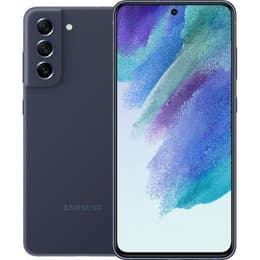
Galaxy S21 FE 5G • Locked AT&T
Starting at

Refurbished price:$135.00

Versus $699.99 new

See options
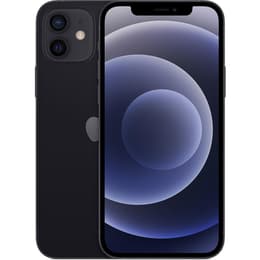
iPhone 12 • Unlocked
Starting at

Refurbished price:$172.00

Versus $629.00 new

See options

Ratings

The Samsung Galaxy S21 FE 5G, released in January 2022, and the Apple iPhone 12, launched in October 2020, represent two distinct approaches to smartphone design and user experience. While both devices offer 5G connectivity and capable camera systems, they differ significantly in their operating systems, display technologies, and overall design philosophies. The Galaxy S21 FE runs on Android, offering a customizable interface, whereas the iPhone 12 operates on Apple's iOS, known for its streamlined ecosystem.

Scores

Durability

When considering the longevity of a smartphone, factors such as release date, software support, and physical resilience play a significant role. The iPhone 12, released in October 2020, is an older device compared to the Galaxy S21 FE 5G, which launched in January 2022.

  • Software Longevity: Apple typically provides 5-7 years of major iOS updates for its iPhones, with the iPhone 12 expected to receive updates until around 2028-2030. The Galaxy S21 FE 5G, launching with Android 12, is expected to receive four major Android OS upgrades, potentially up to Android 16, and security updates until at least January 2027.
  • Physical Durability: Both devices carry an IP68 rating for dust and water resistance. The iPhone 12 features a Ceramic Shield front cover, which offers enhanced drop performance. The Galaxy S21 FE 5G utilizes Corning Gorilla Glass Victus for screen protection.
  • Expected Practical Lifespan: Given their respective software support policies, the iPhone 12 may offer a slightly longer period of major OS updates, potentially extending its practical lifespan for users who prioritize the latest software features. However, both devices are built to withstand daily use and offer robust protection against environmental elements.

Release Year

2022

2020

Last OS Compatibility

Yes

Yes

OS

Android

iOS

Foldable

No

No

Performance

The performance of a smartphone is crucial for handling daily tasks, from browsing and social media to demanding applications and gaming. Both the Galaxy S21 FE 5G and the iPhone 12 are equipped with capable internal components designed to deliver a smooth user experience.

  • Everyday Responsiveness: The iPhone 12, with its optimized software, provides a consistently fluid experience for general navigation, app launches, and multitasking. The Galaxy S21 FE 5G also handles intensive applications and multitasking efficiently, offering a responsive feel.
  • Demanding Applications and Gaming: For users who engage in mobile gaming or utilize resource-intensive applications, both devices offer strong performance. The iPhone 12 is known for its ability to handle complex graphics and demanding apps smoothly. The Galaxy S21 FE 5G also delivers high-quality graphics and a responsive experience for gaming.
  • Storage and Multitasking: The iPhone 12 is available with storage options up to 256GB, while the Galaxy S21 FE 5G offers up to 256GB of internal storage and comes with 6GB or 8GB of RAM, which can benefit extensive multitasking.

Memory (GB)

6 GB

4 GB

Screen quality

The display is a primary interface for smartphone interaction, and both the Galaxy S21 FE 5G and the iPhone 12 offer high-quality viewing experiences with distinct characteristics.

  • Display Technology and Clarity: The iPhone 12 features a 6.1-inch Super Retina XDR OLED display, known for its deep blacks, vibrant colors, and high resolution of 2532 x 1170 pixels. The Galaxy S21 FE 5G comes with a slightly larger 6.4-inch Dynamic AMOLED 2X display, offering a resolution of 1080 x 2400 pixels.
  • Refresh Rate and Smoothness: A key difference lies in the refresh rate; the Galaxy S21 FE 5G boasts a 120Hz refresh rate, which provides noticeably smoother scrolling and more fluid animations, particularly beneficial for gaming and fast-paced content. The iPhone 12 has a standard 60Hz refresh rate.
  • Brightness and Viewing Experience: Both displays offer good brightness levels for outdoor visibility. The iPhone 12's display is noted for its color accuracy, while the Galaxy S21 FE 5G's display is often described as more vibrant.

Resolution

1080 x 2340

1170 x 2532

Screen type

Dynamic AMOLED 2X

Super Retina XDR OLED

Audiovisual

For many users, the camera system is a decisive factor in smartphone choice, and both devices offer capable photographic and videographic tools, albeit with different configurations and processing approaches.

  • Rear Camera Systems: The iPhone 12 features a dual 12MP camera system with wide and ultra-wide lenses, known for its computational photography and consistent image quality. The Galaxy S21 FE 5G offers a more versatile triple camera setup, including a 12MP main sensor, a 12MP ultrawide lens, and an 8MP telephoto lens with 3x optical zoom.
  • Photography Performance: The iPhone 12 tends to produce natural-looking photos with good HDR, and its low-light performance is strong with Night Mode. The Galaxy S21 FE 5G often delivers sharper and more saturated photos, and its telephoto lens provides greater flexibility for zooming.
  • Video Recording and Front Camera: Both phones support 4K video recording at 60fps. The iPhone 12 supports Dolby Vision HDR video recording. The Galaxy S21 FE 5G has a higher resolution 32MP front camera compared to the iPhone 12's 12MP front camera, which can be advantageous for selfies.

Main camera

12 megapixels

12 megapixels

Front camera

32 megapixels

12 megapixels

Miscellaneous

Beyond the core features, several practical elements contribute to the overall user experience and differentiate these two smartphones.

  • Connectivity and Ports: Both devices support 5G connectivity and Wi-Fi 6. The iPhone 12 uses a Lightning port for charging and data transfer, while the Galaxy S21 FE 5G features a USB-C port.
  • Biometric Security and Build: The iPhone 12 relies on Face ID for secure authentication. The Galaxy S21 FE 5G incorporates an in-display optical fingerprint sensor. The iPhone 12 has a glass back and an aluminum frame, while the Galaxy S21 FE 5G features a plastic back with an aluminum frame.
  • Dimensions and Handling: The iPhone 12 is slightly more compact and lighter, measuring 146.7 x 71.5 x 7.4 mm and weighing 164g. The Galaxy S21 FE 5G is larger and heavier at 155.7 x 74.5 x 7.9 mm and 177g. The iPhone 12 also introduced MagSafe for magnetic accessories and wireless charging. The Galaxy S21 FE 5G supports reverse wireless charging.

Weight

7 oz

7 oz

Screen size (inches)

6.4

6.1

Network

5G

5G

SIM card

Physical SIM

Physical SIM + eSIM

Carrier compatibility

AT&T

Unlocked

User sentiment for both the Samsung Galaxy S21 FE 5G and the iPhone 12 generally highlights their respective strengths. Users often praise the iPhone 12 for its consistent performance, robust software support, and reliable camera system that excels in video recording and natural color reproduction. Its compact size and premium build are also frequently mentioned as positive attributes. Some common criticisms for the iPhone 12 include its 60Hz display refresh rate and the absence of a telephoto lens.

The Galaxy S21 FE 5G receives appreciation for its vibrant 120Hz AMOLED display, versatile triple camera setup with a telephoto lens, and longer battery life. Its customizable Android experience is also a significant draw for many. Conversely, some users note its plastic back as feeling less premium compared to glass-backed devices, and camera processing can sometimes lead to more saturated images.

Users prioritizing a smooth, high-refresh-rate display, a versatile camera with optical zoom, and the flexibility of the Android ecosystem may find the Galaxy S21 FE 5G well-suited to their needs. Those who value a streamlined user experience, extended software longevity, strong video capabilities, and a compact, premium design might lean towards the iPhone 12. Both devices offer compelling features, and choosing between them often comes down to individual preferences for operating system, camera versatility, and display characteristics. For those seeking a more sustainable choice, both models are available as quality-assured refurbished options, providing an eco-friendly alternative to purchasing new.

See all articles

Our recent comparisons