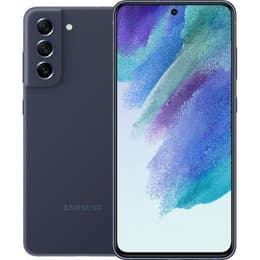
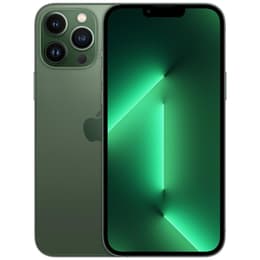

Galaxy S21 FE 5G • Locked AT&T vs iPhone 13 Pro • Unlocked

Galaxy S21 FE 5G • Locked AT&T
Starting at

Refurbished price:$135.00

Versus $699.99 new

See options
iPhone 13 Pro • Unlocked
Starting at

Refurbished price:$299.99

Versus $899.00 new

See options

Ratings

The Samsung Galaxy S21 FE 5G, released in January 2022, and the iPhone 13 Pro, launched in September 2021, are both capable smartphones that offer distinct user experiences. While the Galaxy S21 FE 5G runs on the Android operating system, providing a customizable interface, the iPhone 13 Pro operates on iOS, known for its integrated ecosystem and streamlined performance. Key differentiators lie in their display technologies, camera systems, and overall software approach.

Scores

Durability

When considering the long-term usability of these devices, several factors contribute to their expected lifespan.

  • Release Timeline: The iPhone 13 Pro was released in September 2021, while the Galaxy S21 FE 5G followed in January 2022. This means the iPhone 13 Pro is slightly older, potentially impacting its remaining software support window.
  • Software Longevity: Both devices receive regular operating system updates. The iPhone 13 Pro launched with iOS 15 and continues to receive updates, currently running iOS 18.x, with Apple typically providing 5-6 years of major OS support. The Galaxy S21 FE 5G launched with Android 12 and is capable of updating to Android 14, with Samsung generally offering 4-5 years of OS updates and 5 years of security updates for its flagship-tier devices.
  • Physical Durability: The iPhone 13 Pro features a Ceramic Shield front cover and a stainless steel frame, contributing to its robust build and IP68 water and dust resistance, allowing submersion up to 6 meters for 30 minutes. User tests suggest it is quite durable, though a case is still recommended for optimal protection. The Galaxy S21 FE 5G also boasts an IP68 rating and a Gorilla Glass Victus front, with an aluminum frame and a plastic back. Both offer good protection against everyday elements.

Release Year

2022

2021

Last OS Compatibility

Yes

Yes

OS

Android

iOS

Foldable

No

No

Performance

Both smartphones deliver strong performance for daily tasks and demanding applications, though they achieve this through different hardware and software optimizations.

  • System Responsiveness: The iPhone 13 Pro is powered by a highly efficient processor, enabling smooth navigation, rapid app launches, and fluid multitasking. Users generally report a consistently responsive experience. The Galaxy S21 FE 5G, equipped with a capable processor (Snapdragon 888 in the US), also handles demanding apps and multitasking smoothly.
  • Multitasking and Storage: The iPhone 13 Pro typically comes with 6GB of RAM, which is well-optimized by iOS for efficient multitasking. It offers storage options up to 1TB, providing ample space for extensive media and applications. The Galaxy S21 FE 5G is available with either 6GB or 8GB of RAM, supporting effective multitasking within the Android environment. Storage options go up to 256GB, which is non-expandable.
  • Battery Behavior: The iPhone 13 Pro features a battery that users frequently report as lasting a full day, even with heavy usage, partly due to its adaptive refresh rate display that conserves power. The Galaxy S21 FE 5G has a larger battery capacity; however, user experiences with its battery life are mixed, with some finding it sufficient for a full day of regular use, while heavy usage, especially with the 120Hz refresh rate enabled, can lead to more frequent charging.

Memory (GB)

6 GB

6 GB

Screen quality

The display is a primary interaction point for any smartphone, and both devices offer vibrant and clear viewing experiences with some notable differences.

  • Display Technology and Clarity: The iPhone 13 Pro features a 6.1-inch Super Retina XDR OLED display, known for its deep blacks, vibrant colors, and excellent contrast. It has a resolution of 2532x1170 pixels, resulting in a sharp 460 pixels per inch (ppi). The Galaxy S21 FE 5G sports a slightly larger 6.4-inch Dynamic AMOLED 2X display with a 2340x1080 pixel resolution, offering a clear 403 ppi.
  • Brightness and Outdoor Visibility: The iPhone 13 Pro offers a typical maximum brightness of 1000 nits, peaking at 1200 nits for HDR content, ensuring good visibility even in bright outdoor conditions. The Galaxy S21 FE 5G also provides a bright display, with a peak brightness of up to 1200 nits, contributing to good outdoor readability.
  • Refresh Rate and Smoothness: A significant feature of the iPhone 13 Pro is its ProMotion technology, which provides an adaptive refresh rate that can scale up to 120Hz for smooth scrolling and gaming, and down to conserve battery. The Galaxy S21 FE 5G also offers a 120Hz refresh rate for a fluid visual experience, though it is not adaptive, meaning users typically switch between 60Hz and 120Hz manually.

Resolution

1080 x 2340

1170 x 2532

Screen type

Dynamic AMOLED 2X

Super Retina XDR OLED

Audiovisual

Both smartphones offer versatile camera systems capable of capturing high-quality photos and videos, catering to different photographic preferences.

  • Rear Camera Systems: The iPhone 13 Pro features a triple 12MP camera system, including a wide, ultrawide, and telephoto lens with 3x optical zoom. It is praised for its overall picture quality, improved low-light performance due to larger sensors, and advanced video capabilities like Cinematic Mode and ProRes. The Galaxy S21 FE 5G also comes with a triple camera setup: a 12MP wide, 12MP ultrawide, and an 8MP telephoto lens offering 3x optical zoom and up to 30x digital zoom.
  • Photography Performance: The iPhone 13 Pro excels in various lighting conditions, producing detailed and color-accurate images, with a strong performance in low-light scenarios. Its macro mode allows for close-up photography. The Galaxy S21 FE 5G delivers good all-around results, with vibrant colors, particularly from its main wide lens. Its low-light performance is decent for the main camera, but the ultrawide can show limitations.
  • Video Recording and Front Camera: Both devices support 4K video recording at 60 frames per second. The iPhone 13 Pro's Cinematic Mode provides a unique video feature with a shallow depth of field and automatic focus transitions. For selfies, the iPhone 13 Pro has a 12MP front camera, while the Galaxy S21 FE 5G features a higher-resolution 32MP front camera, which some users find particularly good for night selfies.

Main camera

12 megapixels

12 megapixels

Front camera

32 megapixels

12 megapixels

Miscellaneous

Beyond core features, several practical elements differentiate the user experience and functionality of these two smartphones.

  • Connectivity Standards: Both the Galaxy S21 FE 5G and the iPhone 13 Pro support 5G cellular networks and Wi-Fi 6, ensuring fast wireless connectivity where available. They also include Bluetooth 5.0 for connecting to accessories.
  • Physical Ports and Biometrics: The iPhone 13 Pro utilizes Apple's proprietary Lightning port for charging and data transfer. It relies on Face ID for secure facial recognition. The Galaxy S21 FE 5G features a USB-C 3.2 port, a more universal standard. It incorporates an optical under-display fingerprint sensor for biometric authentication, alongside face recognition. Neither device includes a 3.5mm headphone jack.
  • Design and Handling: The iPhone 13 Pro has dimensions of 146.7 x 71.5 x 7.65 mm and weighs 204g, featuring a flat-edged design with a stainless steel frame. The Galaxy S21 FE 5G is slightly larger and lighter at 155.7 x 74.5 x 7.9mm and 177g, with an aluminum frame and a plastic back. The choice between the two often comes down to preference for a more compact, heavier build or a slightly larger, lighter form factor.

Weight

7 oz

6 oz

Screen size (inches)

6.4

6.1

Network

5G

5G

SIM card

Physical SIM

Physical SIM + eSIM

Carrier compatibility

AT&T

Unlocked

The Samsung Galaxy S21 FE 5G and the iPhone 13 Pro each offer a compelling set of features, catering to different user priorities. User feedback for the iPhone 13 Pro frequently highlights its excellent battery life, the fluidity of its 120Hz ProMotion display, and its highly capable camera system, particularly for video and low-light photography. Common praise also extends to its robust build quality and the consistent performance of the iOS ecosystem. Some users, however, note the presence of lens flare in certain camera conditions.

For the Galaxy S21 FE 5G, users often commend its vibrant AMOLED display with a 120Hz refresh rate, its versatile camera setup including a strong front camera, and its overall snappy performance. Criticisms sometimes revolve around inconsistent battery life, especially with heavy use and the 120Hz display enabled, and some reports of heating or network issues, particularly with certain processor variants or after software updates.

Users prioritizing a highly optimized software experience, strong video capabilities, and consistently long battery life may find the iPhone 13 Pro well-suited to their needs. Its compact size and premium materials also appeal to those who prefer a more substantial feel. Conversely, individuals who value a larger, customizable Android interface, a high-resolution front camera, and a slightly lighter device might lean towards the Galaxy S21 FE 5G. Both devices represent solid choices in their respective ecosystems, and considering a quality-assured refurbished option for either model can be an eco-friendly alternative for consumers.


See all articles

Our recent comparisons