
iPhones
Compare models
Differences at a glance
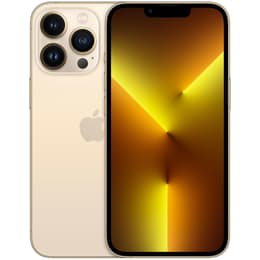
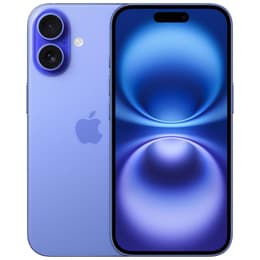
The iPhone 13 Pro, released in September 2021, and the iPhone 16, launched in September 2024, represent different generations within Apple's smartphone lineup. While both devices offer a premium user experience, the iPhone 16 introduces several advancements in processing power, camera capabilities, and modern design elements, contrasting with the iPhone 13 Pro's professional-grade camera system and high refresh rate display from its era.
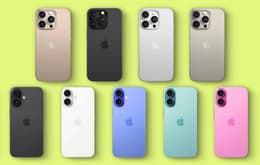
Color
Storage
When considering the practical lifespan of these devices, several factors come into play, including their release dates and Apple's typical software support cycles.
Release Year
Last OS Compatibility
Foldable
The performance of a smartphone is largely determined by its internal processing unit and memory, impacting how smoothly applications run and how efficiently tasks are handled.
The display is a primary interface for smartphone interaction, and both models offer high-quality viewing experiences with distinct characteristics.
Resolution
Screen type
Camera systems are a significant consideration for many users, and both the iPhone 13 Pro and iPhone 16 offer advanced photographic and videographic capabilities, albeit with different strengths.
Main camera
Front camera
Beyond core performance and display, several other features contribute to the overall user experience and device utility.
Weight
Screen size (inches)
Network
SIM card
Carrier compatibility
Connector
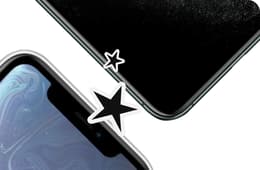
User feedback for the iPhone 13 Pro often highlights its robust build, the versatility of its ProMotion display, and the quality of its camera system, particularly the dedicated telephoto lens. Some users appreciate its more compact form factor compared to larger Pro Max models. Criticisms sometimes point to its battery life compared to the larger Pro Max variant and the presence of the notch design.
For the iPhone 16, common praise centers on its significantly upgraded processor, the modern Dynamic Island interface, and the improved main camera with its 48MP sensor and spatial video capabilities. The switch to USB-C is also a frequently noted positive change for its universal compatibility. Some users might note the absence of a ProMotion display on the standard model as a point of comparison to older Pro models.
Users prioritizing a high refresh rate display and a dedicated optical telephoto lens may find the iPhone 13 Pro well-suited to their needs. Its professional-grade camera system and solid performance remain relevant for many. Conversely, users who value the latest processing power, enhanced AI capabilities, a modern display design with the Dynamic Island, and the convenience of a USB-C port will likely lean towards the iPhone 16. The iPhone 16 also offers a longer software support window and improved wireless connectivity. Both devices, whether new or as quality-assured refurbished options, provide a pathway to Apple's ecosystem, allowing consumers to make an informed and sustainable choice based on their individual priorities.