
Galaxy S10 • Unlocked vs iPhone SE (2022) • Locked AT&T

Galaxy S10 • Unlocked
Starting at

Refurbished price:$148.00

Versus $669.00 new

See options
iPhone SE (2022) • Locked AT&T
Starting at

Refurbished price:$102.00

Versus $429.00 new

See options

Ratings

The Samsung Galaxy S10, released in March 2019, and the Apple iPhone SE (2022), launched in March 2022, represent distinct approaches to smartphone design and functionality. While the Galaxy S10 offered a premium Android experience with a focus on display and camera versatility, the iPhone SE (2022) provides a compact iOS experience with a powerful internal processor. These devices differ significantly in their operating systems, design philosophies, and core features, catering to different user preferences.

Scores

Durability

The practical lifespan of a smartphone is heavily influenced by its release date and the manufacturer's software support policies.

  • Software Support: The Samsung Galaxy S10, launched with Android 9, received major operating system updates up to Android 12. Official security updates for most Galaxy S10 models concluded around March 2023. In contrast, the iPhone SE (2022), released with iOS 15, is expected to receive major iOS updates for approximately five to seven years, potentially extending its software longevity until around 2027-2029.
  • Repairability: The Galaxy S10 received a repairability score of 3 out of 10 from iFixit, indicating challenges due to extensive adhesive and soldered components like the charging port. The iPhone SE (2022), sharing a similar design with older iPhone models, generally offers a more favorable repair experience, with some components being interchangeable and a repairability score of 6 out of 10 for the similar 2020 model.
  • Expected Lifespan: Users prioritizing long-term software updates and potentially easier component replacement may find the iPhone SE (2022) to offer a longer practical lifespan. The Galaxy S10, while still functional, has reached the end of its official software support cycle.

Release Year

2019

2022

Last OS Compatibility

No

Yes

OS

Android

iOS

Foldable

No

No

Performance

Performance is a key differentiator, with the newer iPhone SE (2022) benefiting from more recent internal components compared to the older Galaxy S10.

  • Processing Power: The iPhone SE (2022) features a current-generation processor, enabling it to handle demanding applications, complex games, and intensive multitasking with smooth responsiveness. The Galaxy S10, while equipped with a flagship processor from its release year, may show its age with newer, more resource-intensive tasks, though it still performs well for everyday usage.
  • Multitasking and Storage: The Galaxy S10 typically offers 8GB of RAM, which supports efficient multitasking across multiple applications. The iPhone SE (2022) comes with 4GB of RAM, but its optimized operating system allows for fluid multitasking. Both devices offer various internal storage options, but neither supports expandable storage via microSD card, except for some Galaxy S10 variants.
  • Battery Behavior: The Galaxy S10 has a larger battery capacity, which, combined with its AMOLED display, often provided a full day of use for many users at its launch. The iPhone SE (2022) has a smaller battery, but its highly efficient processor helps manage power consumption. However, heavy users of the iPhone SE (2022) might find themselves needing to recharge more frequently throughout the day.

Memory (GB)

8 GB

4 GB

Screen quality

The visual experience on these two devices presents a notable contrast, primarily due to differences in display technology and size.

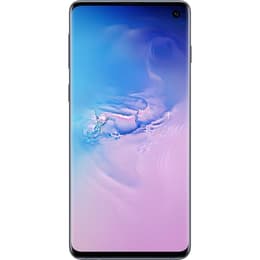
  • Display Technology and Clarity: The Samsung Galaxy S10 features a 6.1-inch Dynamic AMOLED display, known for its vibrant colors, deep black levels, and high contrast. Its QHD+ resolution (1440x3040 pixels) provides a very sharp and detailed image. The iPhone SE (2022) utilizes a 4.7-inch Retina IPS LCD, offering good color accuracy and brightness, but with a lower HD+ resolution (750x1334 pixels) and less contrast compared to an OLED panel.
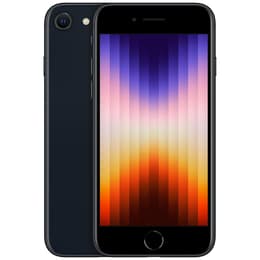
  • Size and Viewing Experience: The Galaxy S10's larger screen and minimal bezels offer a more immersive viewing experience for media consumption and browsing. The iPhone SE (2022) maintains a more compact form factor with noticeable bezels and a physical home button, which some users prefer for one-handed use and a classic iPhone feel.
  • Brightness and Refresh Rate: Both devices feature a standard 60Hz refresh rate, providing a smooth but not exceptionally fluid scrolling experience. The Galaxy S10's display can reach higher peak brightness levels, which can be beneficial for outdoor visibility.

Resolution

1440 x 3040

750 x 1334

Screen type

Dynamic AMOLED

Retina IPS LCD

Audiovisual

The camera systems on the Galaxy S10 and iPhone SE (2022) offer different capabilities and user experiences.

  • Rear Camera System: The Samsung Galaxy S10 boasts a versatile triple-camera setup on the rear, including a 12-megapixel wide-angle lens, a 12-megapixel telephoto lens for optical zoom, and a 16-megapixel ultra-wide-angle lens. This configuration allows for flexibility in capturing various scenes and perspectives. The iPhone SE (2022) features a single 12-megapixel wide-angle rear camera. While it benefits from advanced image processing capabilities of its newer chip, it lacks the optical zoom and ultra-wide options found on the Galaxy S10.
  • Photography Performance: In good lighting conditions, both phones can capture detailed and color-accurate photos. The Galaxy S10's multiple lenses provide more creative options. The iPhone SE (2022) excels in video recording quality, offering sharp and stable footage. However, a notable difference is the absence of a dedicated night mode on the iPhone SE (2022), which means its low-light photography may not match devices with such features.
  • Front Camera and Audio: The Galaxy S10 has a 10-megapixel front camera, while the iPhone SE (2022) features a 7-megapixel front camera. Both are suitable for video calls and selfies in well-lit environments. For audio, the Galaxy S10 includes a 3.5mm headphone jack, a feature absent on the iPhone SE (2022). Both devices offer stereo speaker output for media consumption.

Main camera

12 megapixels

12 megapixels

Front camera

10 megapixels

7 megapixels

Miscellaneous

Beyond core performance and display, several practical elements differentiate these two smartphones.

  • Connectivity and Ports: The iPhone SE (2022) supports 5G cellular connectivity, offering faster download and upload speeds in areas with 5G network coverage. The Galaxy S10 is limited to 4G LTE networks. Both devices support Wi-Fi 6 and Bluetooth 5.0 for wireless connections. The Galaxy S10 features a USB-C port for charging and data transfer, along with a traditional 3.5mm headphone jack. The iPhone SE (2022) uses Apple's proprietary Lightning port and does not include a headphone jack.
  • Biometric Security and Design: The Galaxy S10 incorporates an ultrasonic fingerprint sensor embedded within its display, offering a modern, seamless unlocking experience. The iPhone SE (2022) retains the classic home button with Touch ID, a physical fingerprint sensor that many users find reliable and convenient. In terms of build, both phones feature glass fronts and backs with aluminum frames, offering a premium feel and IP-rated water and dust resistance (IP68 for S10, IP67 for SE 2022).
  • Dimensions and Handling: The iPhone SE (2022) is significantly more compact and lighter (138.4 x 67.3 x 7.3 mm, 144g) than the Galaxy S10 (149.9 x 70.4 x 7.8 mm, 157g), making it easier for one-handed use and pocketability.

Weight

6 oz

3 oz

Screen size (inches)

6.1

4.7

Network

LTE

5G

SIM card

Physical SIM

Physical SIM + eSIM

Carrier compatibility

Unlocked

AT&T

User feedback on platforms like Reddit often highlights distinct preferences for these two devices. The Samsung Galaxy S10 is frequently praised for its expansive and vibrant AMOLED display, its versatile triple-camera system, and the inclusion of a 3.5mm headphone jack. However, common criticisms revolve around its now-ended software update support and the difficulty of repairs. The iPhone SE (2022) receives commendation for its powerful and efficient processor, its compact size, and the long-term software support typical of Apple devices. Conversely, users often point to its dated design with large bezels, the LCD screen's lower resolution compared to modern displays, the single camera's limitations (especially the lack of night mode and ultra-wide lens), and its battery life for heavy usage as areas of concern.

Users prioritizing a modern, immersive display, camera versatility with multiple lenses, and the flexibility of the Android ecosystem might find the Galaxy S10 more aligned with their needs. Conversely, individuals who value a compact form factor, the robust performance of a recent Apple chip, long-term iOS software support, and the familiar Touch ID experience will likely lean towards the iPhone SE (2022). Both devices offer a quality-assured refurbished option, providing an eco-friendly alternative for consumers seeking reliable technology.

See all articles

Our recent comparisons