
iPhones
Compare models
Differences at a glance
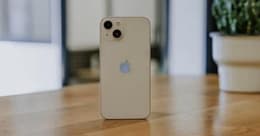
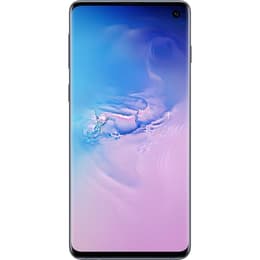
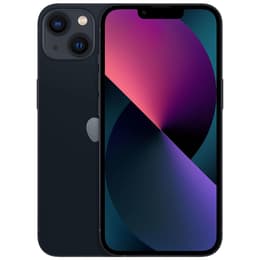
The Samsung Galaxy S10, released in March 2019, and the Apple iPhone 13, launched in September 2021, represent different generations and operating system ecosystems in the smartphone market. While the Galaxy S10 operates on Android, offering a customizable experience, the iPhone 13 runs on Apple's iOS, known for its integrated ecosystem. The primary distinctions between these two devices lie in their release timelines, core performance capabilities, and camera systems, reflecting advancements over a two-and-a-half-year period.
Color
Storage
When considering the practical lifespan of these devices, their respective release dates and software support policies are key factors.
Release Year
Last OS Compatibility
OS
Foldable
The performance of the Galaxy S10 and iPhone 13 reflects the technological advancements between their release years, impacting how smoothly they handle daily tasks and demanding applications.
Both devices offer high-quality displays, but there are differences in their technology and characteristics that affect the viewing experience.
Resolution
Screen type
The camera systems on the Galaxy S10 and iPhone 13 offer distinct approaches to photography and videography, catering to different user preferences.
Main camera
Front camera
Beyond core performance and display, several practical elements differentiate the Galaxy S10 and iPhone 13, influencing daily usability and connectivity.
Weight
Screen size (inches)
Network
SIM card
Carrier compatibility
The Samsung Galaxy S10 and iPhone 13 cater to different user priorities, largely due to their distinct operating systems and the technological advancements made between their release dates. Users often praise the Galaxy S10 for its vibrant display, the inclusion of a headphone jack, and expandable storage, offering a high degree of flexibility and customization within the Android ecosystem. Some common criticisms for the S10, given its age, might revolve around its battery performance compared to newer devices and the conclusion of major software updates.
The iPhone 13 is frequently lauded for its consistent and powerful performance, reliable camera system with advanced video features like Cinematic Mode, and the long-term software support provided by Apple. Users appreciate the seamless integration within the Apple ecosystem and the robust security features of Face ID. A common point of discussion for the iPhone 13 is its 60Hz display refresh rate, which some users might find less fluid than higher refresh rate screens on other devices, and the continued use of the Lightning port.
Users prioritizing an open and customizable operating system, along with features like expandable storage and a traditional headphone jack, may find the Galaxy S10 aligns well with their needs. Conversely, those who value a streamlined user experience, strong long-term software support, advanced video capabilities, and consistent performance will likely lean towards the iPhone 13. Both devices, when considering a quality-assured refurbished option, offer a sustainable choice for consumers looking to extend the life cycle of electronic products.