Galaxy S10 • Unlocked vs iPhone 14 • Unlocked

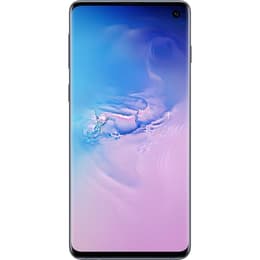
Galaxy S10 • Unlocked
Starting at

Refurbished price:$148.00

Versus $669.00 new

See options
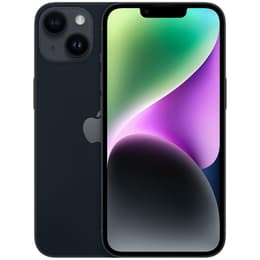
iPhone 14 • Unlocked
Starting at

Refurbished price:$256.00

Versus $629.00 new

See options

Ratings

The Samsung Galaxy S10, released in March 2019, and the Apple iPhone 14, launched in September 2022, represent different generations and operating system ecosystems in the smartphone market. While both devices offer a premium smartphone experience, they cater to distinct user preferences through their respective Android and iOS platforms. The primary differentiators between these two models lie in their release timelines, software support longevity, and their approaches to camera technology and user interface.

Scores

Durability

The practical lifespan of a smartphone is significantly influenced by its release date and subsequent software support. The Galaxy S10, being an older device, has reached the end of its major Android operating system updates, having launched with Android 9 and receiving updates up to Android 12. In contrast, the iPhone 14, a more recent release, benefits from Apple's extended software support policy, ensuring several more years of iOS updates and security patches.

  • Software Longevity: The iPhone 14 offers a longer period of guaranteed software updates, which is crucial for security and access to new features.
  • Physical Durability: Both devices feature an IP68 rating for dust and water resistance. The iPhone 14 incorporates Ceramic Shield on the front for enhanced drop protection, while the Galaxy S10 uses Corning Gorilla Glass 6 on the front and Gorilla Glass 5 on the back.
  • Repairability Considerations: While specific repairability scores can vary, the age difference means that components for the Galaxy S10 may become less readily available over time compared to the newer iPhone 14.

Release Year

2019

2022

Last OS Compatibility

No

Yes

OS

Android

iOS

Foldable

No

No

Performance

Performance in smartphones is determined by a combination of processing power, memory, and software optimization. The Galaxy S10, equipped with a flagship-level processor from its release year, handles everyday tasks, web browsing, and most applications smoothly. However, with newer, more demanding applications and intensive multitasking, its performance may show its age compared to more recent hardware.

  • Processing Capabilities: The iPhone 14 features a more current-generation processor, which provides a noticeable advantage in handling graphically intensive games, complex applications, and seamless multitasking. Users can expect faster app loading times and a more responsive overall experience.
  • Memory and Storage: The Galaxy S10 was available with 8GB or 12GB of RAM and storage options up to 1TB, with some variants offering expandable storage via microSD. The iPhone 14 comes with 6GB of RAM and internal storage options of 128GB, 256GB, or 512GB, without expandable storage.
  • Battery Behavior: The Galaxy S10 has a 3400 mAh battery, while the iPhone 14 has a 3279 mAh battery. Despite the slightly smaller capacity, the iPhone 14 often demonstrates efficient power management, leading to reliable battery life for a full day of typical use.

Memory (GB)

8 GB

6 GB

Screen quality

The display is a primary interface for smartphone interaction, and both the Galaxy S10 and iPhone 14 offer high-quality viewing experiences, though with some distinctions in their underlying technology and specifications.

  • Display Technology and Clarity: The Galaxy S10 features a 6.1-inch Dynamic AMOLED display with a QHD+ resolution of 3040x1440 pixels, resulting in a pixel density of approximately 550 ppi. The iPhone 14 also has a 6.1-inch Super Retina XDR OLED display, offering a resolution of 2532x1170 pixels at around 460 ppi. Both technologies deliver vibrant colors, deep blacks, and excellent contrast.
  • Brightness and Refresh Rate: Both devices feature a standard 60Hz refresh rate. The iPhone 14 offers higher peak brightness, reaching up to 1200 nits for HDR content, which can improve visibility in bright outdoor conditions. The Galaxy S10 also supports HDR10+ for enhanced dynamic range.
  • Design and Viewing Experience: The Galaxy S10 features slightly curved display edges and a punch-hole cutout for the front camera. The iPhone 14 has a flat display with a notch at the top housing its front camera and sensors.

Resolution

1440 x 3040

1170 x 2532

Screen type

Dynamic AMOLED

Super Retina XDR OLED

Audiovisual

Both the Galaxy S10 and iPhone 14 provide capable camera systems designed to capture high-quality photos and videos, though they approach imaging with different hardware configurations and software enhancements.

  • Rear Camera Systems: The Galaxy S10 features a versatile triple-camera setup on the rear, including a 12MP main wide-angle lens, a 16MP ultra-wide-angle lens, and a 12MP telephoto lens with 2x optical zoom. The iPhone 14 utilizes a dual-camera system, comprising a 12MP main wide-angle lens with sensor-shift optical image stabilization and a 12MP ultra-wide-angle lens.
  • Photography Performance: The iPhone 14 introduces features like Photonic Engine and improved low-light performance, enhancing detail and color accuracy in challenging lighting conditions. The Galaxy S10's triple-lens array offers flexibility with its dedicated telephoto lens for optical zoom. Both are capable of capturing detailed everyday photos.
  • Video Recording and Front Camera: Both devices support 4K video recording. The iPhone 14 includes advanced video features such as Cinematic Mode, which adds a shallow depth of field effect. For selfies, the Galaxy S10 has a 10MP front camera, while the iPhone 14 features a 12MP front camera with autofocus.

Main camera

12 megapixels

12 megapixels

Front camera

10 megapixels

12 megapixels

Miscellaneous

Beyond core performance and display, several practical features and design elements differentiate these two smartphones, impacting daily usability and connectivity.

  • Connectivity and Ports: The iPhone 14 supports 5G connectivity as a standard feature, along with Wi-Fi 6 and Bluetooth 5.3. The Galaxy S10 also supports Wi-Fi 6 and Bluetooth 5.0, with some variants offering 5G. The Galaxy S10 includes a 3.5mm headphone jack and a USB-C port, offering broader compatibility with existing accessories. The iPhone 14 uses Apple's proprietary Lightning port.
  • Biometrics and Sensors: The Galaxy S10 features an ultrasonic in-display fingerprint sensor for secure unlocking. The iPhone 14 relies on Face ID, Apple's facial recognition system. The iPhone 14 also includes advanced safety features like Emergency SOS via Satellite and Crash Detection.
  • Physical Characteristics: The Galaxy S10 weighs approximately 157 grams and measures 149.9 x 70.4 x 7.8 mm. The iPhone 14 is slightly heavier at 172 grams and has dimensions of 146.7 x 71.5 x 7.8 mm. Both devices feature glass backs and aluminum frames.

Weight

6 oz

6 oz

Screen size (inches)

6.1

6.1

Network

LTE

5G

SIM card

Physical SIM

eSIM

Carrier compatibility

Unlocked

Unlocked

User feedback often highlights the Galaxy S10's enduring appeal for its comprehensive feature set at the time of its release, including the headphone jack and expandable storage, which are less common in newer devices. Some users appreciate its curved display design. Criticisms, however, frequently revolve around its aging software support and the natural degradation of battery performance over time.

The iPhone 14 generally receives praise for its robust performance, consistent software updates, and advanced camera capabilities, particularly in video and low-light photography. Its new safety features are also noted as significant additions. Common points of discussion among users include the retention of the 60Hz display refresh rate and the continued use of the Lightning port, which some find less versatile than USB-C.

Users prioritizing long-term software support, advanced computational photography, and integration within the Apple ecosystem will find the iPhone 14 well-suited to their needs. Conversely, individuals who value legacy features like a 3.5mm headphone jack, expandable storage, and the flexibility of the Android operating system might lean towards the Galaxy S10. Both devices offer a quality smartphone experience, and choosing between them often comes down to personal preference for operating system and specific feature priorities. For those considering either model, exploring quality-assured refurbished options can provide an eco-friendly alternative.


See all articles

Our recent comparisons