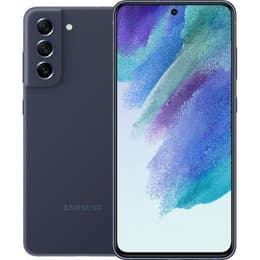
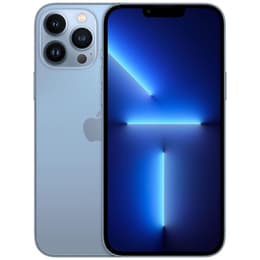

Galaxy S21 FE 5G • Locked AT&T vs iPhone 13 Pro Max • Unlocked

Galaxy S21 FE 5G • Locked AT&T
Starting at

Refurbished price:$135.00

Versus $699.99 new

See options
iPhone 13 Pro Max • Unlocked
Starting at

Refurbished price:$362.27

Versus $999.00 new

See options

Ratings

The Samsung Galaxy S21 FE 5G, released in January 2022, and the iPhone 13 Pro Max, launched in September 2021, are both prominent smartphones from their respective ecosystems. While the Galaxy S21 FE 5G operates on Android, offering a customizable experience, the iPhone 13 Pro Max runs on Apple's iOS, known for its integrated ecosystem. These devices primarily differ in their display technology, camera capabilities, and overall software approach, catering to distinct user preferences.

Scores

Durability

When considering the long-term usability of these devices, several factors contribute to their expected lifespan, including software support and physical durability.

  • Release Timeline and Age: The iPhone 13 Pro Max was released in September 2021, making it slightly older than the Galaxy S21 FE 5G, which launched in January 2022. This difference in release dates can influence the remaining period of official software support.
  • OS Support Duration: The iPhone 13 Pro Max is expected to receive major iOS updates until approximately 2028, potentially reaching iOS 26, offering a long software lifespan. The Galaxy S21 FE 5G, having launched with Android 12, is anticipated to receive up to four major Android OS upgrades, with Android 16 being its final major update, expected around late 2025 or early 2026.
  • Repairability and Practical Lifespan: The Galaxy S21 FE 5G has a repairability score of 7.5 out of 10, indicating a relatively decent ease of repair, though some components are glued. The iPhone 13 Pro Max received a lower repairability score of 5 out of 10, with particular challenges noted for rear glass replacement and potential Face ID issues if the screen is replaced by third parties. Both devices feature IP68 ratings for water and dust resistance, contributing to their physical resilience.

Release Year

2022

2021

Last OS Compatibility

Yes

Yes

OS

Android

iOS

Foldable

No

No

Performance

The performance of a smartphone is crucial for daily tasks, from navigating applications to engaging in demanding mobile gaming.

  • Processor Capabilities: The iPhone 13 Pro Max is equipped with a powerful processor that delivers robust performance, ensuring smooth operation across various applications and handling intensive tasks with ease. The Galaxy S21 FE 5G features a current-generation processor that capably manages everyday usage and gaming, though some users have noted occasional warming during extended use.
  • System Responsiveness and Multitasking: Both devices offer a responsive user experience. The iPhone 13 Pro Max, with its optimized software and hardware integration, provides consistent fluidity. The Galaxy S21 FE 5G also handles multitasking efficiently, allowing users to switch between apps without significant delays.
  • Storage Options: The iPhone 13 Pro Max offers a wider range of internal storage configurations, including options up to 1TB, catering to users with extensive storage needs. The Galaxy S21 FE 5G comes with up to 256GB of internal storage, which is not expandable.

Memory (GB)

6 GB

6 GB

Screen quality

The display is a primary interface for users, and both devices offer distinct visual experiences.

  • Display Technology and Clarity: The iPhone 13 Pro Max features a 6.7-inch Super Retina XDR OLED display, known for its deep blacks, vibrant colors, and high contrast. The Galaxy S21 FE 5G sports a 6.4-inch Dynamic AMOLED 2X display, also providing rich colors and good clarity for typical viewing.
  • Refresh Rate and Smoothness: A key differentiator is the refresh rate. The iPhone 13 Pro Max includes ProMotion technology, offering an adaptive refresh rate that can scale from 10Hz to 120Hz, providing exceptionally smooth scrolling and animations while conserving battery life. The Galaxy S21 FE 5G has a fixed 120Hz refresh rate, which offers a smooth experience but is not adaptive.
  • Brightness and Outdoor Visibility: Both displays offer good brightness levels. The iPhone 13 Pro Max can reach up to 1200 nits peak brightness, ensuring excellent visibility even in bright outdoor conditions. The Galaxy S21 FE 5G can achieve a peak brightness of over 1000 nits in certain scenarios, also providing good outdoor readability.

Resolution

1080 x 2340

1284 x 2778

Screen type

Dynamic AMOLED 2X

Super Retina XDR OLED

Audiovisual

For many users, the camera system is a critical component, and both smartphones offer advanced photographic and videographic capabilities.

  • Camera System Configuration: The iPhone 13 Pro Max features a versatile triple 12MP camera system, including wide, ultrawide, and telephoto lenses with 3x optical zoom, complemented by a LiDAR scanner for enhanced depth sensing. The Galaxy S21 FE 5G also has a triple camera setup, consisting of a 12MP wide, 12MP ultrawide, and an 8MP telephoto lens with 3x optical zoom.
  • Photography Performance: The iPhone 13 Pro Max is recognized for its excellent photo quality, particularly in low-light conditions, and its advanced computational photography features. The Galaxy S21 FE 5G delivers good image quality for everyday photography, with users often praising its vibrant output, though some note color inconsistencies between lenses.
  • Video Recording and Audio: Both devices offer high-quality video recording. The iPhone 13 Pro Max supports advanced features like Cinematic Mode and ProRes video, making it a strong tool for content creators. The Galaxy S21 FE 5G records 4K video at 60fps on its main camera and 4K at 30fps across all lenses, with good image stabilization. Both provide clear audio capture for calls and recordings.

Main camera

12 megapixels

12 megapixels

Front camera

32 megapixels

12 megapixels

Miscellaneous

Beyond core features, several practical elements contribute to the overall user experience and device utility.

  • Connectivity and Ports: Both smartphones support 5G connectivity and Wi-Fi 6 for fast wireless communication. The iPhone 13 Pro Max utilizes Apple's proprietary Lightning port, while the Galaxy S21 FE 5G features a more universal USB-C 3.2 port.
  • Biometric Security: The iPhone 13 Pro Max relies on Face ID for secure facial recognition. The Galaxy S21 FE 5G incorporates an optical in-display fingerprint sensor for biometric authentication.
  • Build Materials and Handling: The iPhone 13 Pro Max has a premium build with a stainless steel frame and Ceramic Shield front, contributing to its substantial weight of 240 grams. The Galaxy S21 FE 5G features an aluminum frame, Gorilla Glass Victus front, and a plastic back, resulting in a lighter device at 177 grams. The larger size and weight of the iPhone 13 Pro Max may impact one-handed use for some individuals.

Weight

7 oz

8000 oz

Screen size (inches)

6.4

6.7

Network

5G

5G

SIM card

Physical SIM

Physical SIM + eSIM

Carrier compatibility

AT&T

Unlocked

User feedback for the iPhone 13 Pro Max frequently highlights its exceptional battery life, often cited as lasting up to two days for many users, and its high-quality camera system, particularly for video and low-light photography. Common praise also extends to its powerful performance and the smooth, adaptive refresh rate display. Some users, however, find its size and weight to be considerable. For the Galaxy S21 FE 5G, users appreciate its vibrant display and capable camera setup, especially for stills and selfies. Criticisms often revolve around inconsistent battery performance for heavy users and occasional reports of the device warming.

Users prioritizing extended battery life, a highly refined video recording experience, and a consistently powerful performance for demanding applications may find the iPhone 13 Pro Max well-suited to their needs. Conversely, individuals who prefer the Android ecosystem's customization, a slightly lighter device, and a high refresh rate display without the adaptive functionality might lean towards the Galaxy S21 FE 5G. Both devices offer robust features, and choosing between them often comes down to personal preference for operating system, specific camera priorities, and device ergonomics. Exploring quality-assured refurbished options for either model can provide an eco-friendly alternative for consumers.

See all articles

Our recent comparisons