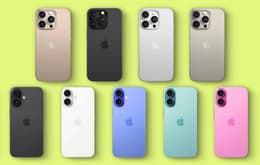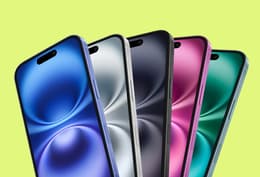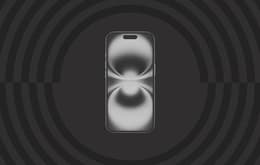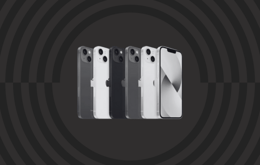
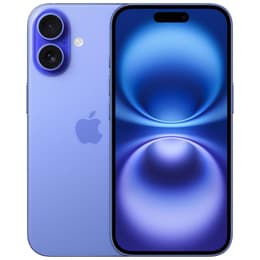

iPhone 13 Pro Max • Unlocked vs iPhone 16 • Unlocked

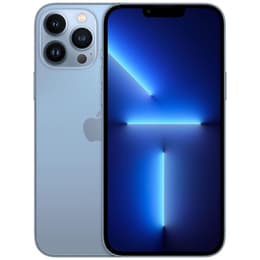
iPhone 13 Pro Max • Unlocked
Starting at

Refurbished price:$362.27

Versus $999.00 new

See options
iPhone 16 • Unlocked
Starting at

Refurbished price:$516.00

Versus $729.00 new

See options

Ratings

The iPhone 13 Pro Max, released in September 2021, represented Apple's top-tier offering for its generation, featuring a large display and advanced camera system. The iPhone 16, launched in September 2024, is a more recent standard model that brings generational advancements in processing power, camera technology, and connectivity. While the 13 Pro Max emphasizes a premium, larger form factor with a high refresh rate display, the iPhone 16 focuses on updated core components and modern features like the Action Button and USB-C connectivity.

Scores

Durability

When considering the practical lifespan of these devices, several factors come into play, including their release timelines and expected software support.

  • Release Timeline: The iPhone 13 Pro Max was released in September 2021, making it an older device compared to the iPhone 16, which launched in September 2024. This three-year difference directly impacts the remaining period of official software updates and security patches.
  • OS Support Duration: Apple typically provides 5-6 years of major iOS updates for its devices. The iPhone 13 Pro Max, having launched with iOS 15, is expected to receive updates for a few more years, potentially up to iOS 20 or 21. The iPhone 16, launching with iOS 18, will benefit from a significantly longer update cycle, extending its software longevity well into the future.
  • Repairability and Practical Lifespan: Both models feature durable designs with Ceramic Shield front covers and IP68 water and dust resistance, offering protection against everyday accidents. While specific repairability scores can vary, Apple generally designs its devices with a certain level of serviceability. The newer iPhone 16 may benefit from more readily available parts and repair expertise for a longer duration due to its more recent release.

Release Year

2021

2024

Last OS Compatibility

Yes

Yes

Foldable

No

No

Performance

Performance is a key area where newer generations typically show significant improvements, impacting everything from app responsiveness to multitasking capabilities.

  • Processor Capabilities: The iPhone 13 Pro Max is powered by an advanced processor from its release year, capable of handling demanding applications, complex games, and intensive multitasking smoothly. The iPhone 16 features a newer generation processor, which is optimized for generative artificial intelligence tasks and offers a Neural Engine that is twice as fast as its predecessor. This translates to faster app loading, more efficient background processes, and enhanced capabilities for AI-driven features.
  • Multitasking and Responsiveness: The iPhone 13 Pro Max comes with 6GB of RAM, providing ample capacity for running multiple applications simultaneously without significant slowdowns. The iPhone 16 steps up with 8GB of RAM, further enhancing its ability to manage numerous open apps and complex workflows, contributing to an overall snappier and more fluid user experience, especially with the demands of modern operating systems and AI features.
  • Storage Options: Both devices offer a range of storage configurations to suit different user needs. The iPhone 13 Pro Max was available with options up to 1TB, catering to users with extensive media libraries or large application requirements. The iPhone 16 offers storage options up to 512GB, which is substantial for most users but less than the maximum offered by the 13 Pro Max.
  • Battery Behavior: The iPhone 13 Pro Max is renowned for its exceptional battery longevity, often providing up to two days of use for moderate users due to its large physical battery capacity and efficient components. The iPhone 16, while having a smaller physical battery, benefits from a more power-efficient processor and optimized software, aiming to deliver a full day of use with some charge remaining for typical usage.

Memory (GB)

6 GB

8 GB

Screen quality

The display is a primary interface for any smartphone, and both models offer high-quality viewing experiences with distinct characteristics.

  • Display Technology and Size: The iPhone 13 Pro Max features a large 6.7-inch Super Retina XDR OLED display, providing deep blacks, vibrant colors, and excellent contrast. The iPhone 16 comes with a 6.1-inch Super Retina XDR OLED display, offering similar color accuracy and contrast in a more compact form factor.
  • Refresh Rate and Smoothness: A significant difference lies in the refresh rate. The iPhone 13 Pro Max boasts ProMotion technology, offering an adaptive refresh rate that can scale from 10Hz to 120Hz. This results in exceptionally smooth scrolling, fluid animations, and a highly responsive feel, particularly noticeable during gaming or fast-paced content consumption. The iPhone 16, however, maintains a standard 60Hz refresh rate, which provides a consistent viewing experience but lacks the enhanced fluidity of a higher refresh rate display.
  • Brightness and Clarity: Both displays offer excellent brightness levels. The iPhone 13 Pro Max reaches 1000 nits typical brightness and 1200 nits peak for HDR content. The iPhone 16 also provides strong brightness, with typical levels and a higher peak brightness for High Brightness Mode (HBM), ensuring good visibility even in bright outdoor conditions. Both deliver sharp visuals with high pixel densities, around 458-460 pixels per inch, ensuring text and images appear crisp.

Resolution

1284 x 2778

1179 x 2556

Screen type

Super Retina XDR OLED

Super Retina XDR OLED

Audiovisual

Both iPhones offer capable camera systems, but with different strengths and advancements reflecting their respective generations and model tiers.

  • Rear Camera System: The iPhone 13 Pro Max features a versatile triple 12MP camera system, including a Wide, Ultra Wide, and a dedicated Telephoto lens with 3x optical zoom. It excels in various lighting conditions, offers macro photography, and supports advanced features like Apple ProRAW and Cinematic mode. The iPhone 16 has an advanced dual-camera system, featuring a 48MP Fusion Main camera and a 12MP Ultra Wide lens. While it lacks a dedicated telephoto lens, its 48MP main sensor can capture detailed images and offers 2x optical quality zoom. It also introduces macro photography and spatial video capture.
  • Photography Performance: The 13 Pro Max delivers strong low-light performance and detailed shots across its three lenses, with its larger sensors and wider apertures. The iPhone 16's newer 48MP main sensor and improved image processing, including enhanced Photographic Styles, contribute to excellent everyday photography and better low-light capabilities for its main and ultrawide lenses.
  • Video Recording: Both devices offer high-quality video recording. The iPhone 13 Pro Max supports HDR video with Dolby Vision up to 4K at 60 frames per second and ProRes video recording. The iPhone 16 also supports high-resolution video and introduces spatial video capture, which is designed for immersive viewing experiences on compatible devices.
  • Front Camera: Both models feature 12MP TrueDepth front cameras, capable of capturing detailed selfies and supporting advanced features like Portrait mode and Cinematic mode for video calls and self-recording.

Main camera

12 megapixels

48 megapixels

Front camera

12 megapixels

12 megapixels

Miscellaneous

Beyond core performance and display, several practical features and design elements differentiate these two iPhone models.

  • Connectivity Standards: The iPhone 13 Pro Max supports 5G cellular connectivity and Wi-Fi 6, providing fast wireless speeds for browsing and streaming. The iPhone 16 upgrades to Wi-Fi 7 and Bluetooth 5.3, offering even faster and more stable wireless connections, which can be beneficial for high-bandwidth applications and connecting to modern accessories.
  • Physical Ports and Biometrics: The iPhone 13 Pro Max utilizes Apple's proprietary Lightning port for charging and data transfer. The iPhone 16 transitions to a USB-C port, aligning with a more universal standard and potentially offering faster data transfer speeds and broader compatibility with accessories. Both devices rely on Face ID for secure facial recognition and authentication.
  • Design and Handling: The iPhone 13 Pro Max is a larger and heavier device, measuring 160.8 x 78.1 x 7.65 mm and weighing 240 grams, which contributes to its expansive screen and long battery life but can be more challenging for one-handed use. The iPhone 16 is more compact and lighter at 147.6 x 71.6 x 7.8 mm and 170 grams, making it easier to handle and carry. The iPhone 16 also introduces the Action Button, a customizable physical button that replaces the traditional mute switch.
  • Build Materials: Both phones feature a durable construction with a Ceramic Shield front cover and an aluminum frame, providing robust protection against drops and scratches.

Weight

8000 oz

6000 oz

Screen size (inches)

6.7

6.1

Network

5G

5G

SIM card

Physical SIM + eSIM

eSIM

Carrier compatibility

Unlocked

Unlocked

Connector

Lightning

USB-C (USB 2)

Choosing between the iPhone 13 Pro Max and the iPhone 16 involves weighing the benefits of a larger, older Pro model against a newer, standard-tier device with modern advancements.

Users often praise the iPhone 13 Pro Max for its exceptional battery life, which many consider to be class-leading, and its ProMotion 120Hz display, offering a noticeably smoother visual experience. Its dedicated telephoto camera also receives positive remarks for its versatility in photography. Some criticisms might include its larger size and weight, which can be cumbersome for some users, and its reliance on the Lightning port.

The iPhone 16, on the other hand, is lauded for its significant performance upgrades, driven by its newer processor, and its enhanced AI capabilities. The transition to USB-C and the inclusion of the Action Button are also frequently highlighted as welcome modernizations. However, some users express disappointment that the standard iPhone 16 still features a 60Hz display, especially when many competing devices offer higher refresh rates.

Users prioritizing an expansive, ultra-smooth display and maximum battery longevity, and who don't mind a larger device, may find the iPhone 13 Pro Max well-suited to their needs. Conversely, users who value the latest processing power, a more compact and lighter design, modern connectivity with USB-C, and a longer software support window will likely lean towards the iPhone 16. Both devices offer robust performance and camera capabilities, but their distinct feature sets cater to different user preferences. For those seeking a quality-assured refurbished option, both models can provide an excellent and sustainable choice.


See all articles

Our recent comparisons