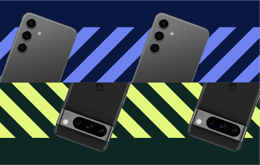
Galaxy A14 5G • Unlocked vs Google Pixel 8 • Unlocked

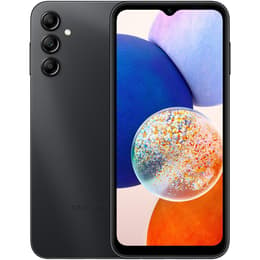
Galaxy A14 5G • Unlocked
Starting at

Refurbished price:$100.00

Versus $249.99 new

See options
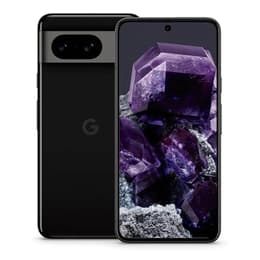
Google Pixel 8 • Unlocked
Starting at

Refurbished price:$254.00

Versus $699.99 new

See options

Ratings

The Samsung Galaxy A14 5G, released in January 2023, and the Google Pixel 8, launched in October 2023, are both Android smartphones that cater to different user needs. While the Galaxy A14 5G focuses on delivering essential smartphone features, the Pixel 8 emphasizes advanced computational photography and a streamlined software experience. Both devices operate on the Android platform, but they offer distinct approaches to performance, camera capabilities, and long-term software support.

Scores

Durability

When considering the practical lifespan of these two smartphones, their release timelines and software support policies present notable differences.

  • Software Longevity: The Google Pixel 8 stands out with an extensive commitment of seven years of major operating system updates and security patches, ensuring it remains current and secure well into the future. In contrast, the Samsung Galaxy A14 5G typically receives two major Android OS updates and four years of security updates, offering a shorter but still respectable support window.
  • Physical Durability: The Pixel 8 features a more robust construction, incorporating Gorilla Glass Victus on the front and an aluminum frame, along with an IP68 rating for dust and water resistance. The Galaxy A14 5G utilizes a plastic construction and lacks an official IP rating, suggesting less protection against environmental elements.
  • Repairability: Both devices are generally designed with repair in mind, though the availability and cost of parts can vary. The Pixel 8's longer software support means its components may need to last longer, making quality refurbished options for both models a sustainable choice for extended use.

Release Year

2023

2023

Last OS Compatibility

Yes

Yes

OS

Android

Android

Foldable

No

No

Performance

The performance capabilities of the Galaxy A14 5G and the Google Pixel 8 reflect their different market segments, impacting how they handle daily tasks and demanding applications.

  • Processing Power: The Pixel 8 is equipped with a current-generation processor designed for high performance, handling demanding applications and multitasking smoothly. The Galaxy A14 5G, powered by a processor suitable for its segment, provides adequate responsiveness for general use but may exhibit occasional stutters with numerous apps open simultaneously or during intensive tasks.
  • Multitasking and Responsiveness: With 8GB of RAM, the Pixel 8 offers a fluid experience when switching between multiple applications and running memory-intensive programs. The Galaxy A14 5G, typically available with 4GB or 6GB of RAM, provides sufficient responsiveness for everyday tasks, though heavy multitasking might lead to slower performance.
  • Storage Options: The Pixel 8 comes with internal storage options of 128GB or 256GB, which are not expandable. The Galaxy A14 5G offers 64GB or 128GB of internal storage, with the added flexibility of a microSD card slot for expansion up to 1TB.

Memory (GB)

4 GB

8 GB

Screen quality

The visual experience on these two devices differs significantly due to their display technologies and specifications.

  • Display Technology and Clarity: The Google Pixel 8 features a 6.2-inch OLED display, known for its deep blacks, vibrant colors, and excellent contrast, offering a resolution of 1080x2400 pixels. The Galaxy A14 5G uses a larger 6.6-inch PLS LCD panel with a 1080x2408 pixel resolution, which provides good color reproduction but cannot match the contrast levels of an OLED screen.
  • Brightness and Outdoor Visibility: The Pixel 8's display can reach significantly higher peak brightness levels, up to 2000 nits, making it much easier to view content clearly in bright outdoor conditions. The Galaxy A14 5G's display peaks at around 500 nits, which can make reading the screen challenging in direct sunlight.
  • Refresh Rate and Smoothness: The Pixel 8 offers a variable refresh rate of 60-120Hz, contributing to smoother scrolling and a more fluid user interface. The Galaxy A14 5G also features a 90Hz refresh rate, which provides a smoother experience than standard 60Hz displays, though it's not as dynamic as the Pixel 8's.

Resolution

1080 x 2408

1080 x 2400

Screen type

PLS LCD

OLED

Audiovisual

The camera systems on the Galaxy A14 5G and the Google Pixel 8 offer different strengths, particularly in computational photography and versatility.

  • Main Camera Performance: Both phones feature a 50MP main camera. The Pixel 8's main camera, combined with its advanced image processing, delivers excellent detail, dynamic range, and color accuracy, performing well across various lighting conditions, including low light. The Galaxy A14 5G's 50MP main sensor captures good images in well-lit environments, with respectable detail and vibrant colors, but it tends to struggle more in low-light scenarios.
  • Additional Lenses and Features: The Pixel 8 includes a 12MP ultrawide camera with autofocus, which also enables a macro mode for close-up shots. Its front camera is 10.5MP. The Galaxy A14 5G features a 2MP macro and a 2MP depth sensor alongside its main camera, but it lacks an ultrawide lens. Its front camera is 13MP.
  • Video Recording: The Pixel 8 is capable of recording 4K video at up to 60 frames per second from both its front and rear cameras, offering strong stabilization. The Galaxy A14 5G is limited to 1080p video recording at 30 frames per second for both front and rear cameras.

Main camera

50 megapixels

50 megapixels

Front camera

13 megapixels

10.5 megapixels

Miscellaneous

Beyond core functionalities, several practical elements and design choices differentiate these two smartphones.

  • Connectivity and Ports: Both devices support 5G connectivity for fast mobile data. The Pixel 8 includes Wi-Fi 6E for faster and more stable wireless internet, while the Galaxy A14 5G uses Wi-Fi 5. The Galaxy A14 5G retains a 3.5mm headphone jack, a feature absent on the Pixel 8, which relies solely on its USB-C port for charging and audio.
  • Biometrics and Sensors: The Pixel 8 features an under-display fingerprint sensor and Face Unlock for secure authentication. The Galaxy A14 5G typically includes a side-mounted fingerprint sensor.
  • Physical Characteristics: The Pixel 8 is slightly more compact and lighter, measuring 150.5 x 70.8 x 8.9 mm and weighing 187g. The Galaxy A14 5G is larger and heavier at 167.7 x 78 x 9.1 mm and 204g.

Weight

7 oz

7 oz

Screen size (inches)

6.6

6.2

Network

5G

5G

SIM card

Physical SIM

Physical SIM + eSIM

Carrier compatibility

Unlocked

Unlocked

The Samsung Galaxy A14 5G and the Google Pixel 8 serve different segments of the smartphone market, each with distinct advantages. User feedback often praises the Pixel 8 for its exceptional camera performance, particularly its computational photography capabilities and strong low-light results. Users also frequently highlight the Pixel 8's long-term software support as a significant benefit. Some criticisms for the Pixel 8 have occasionally surfaced regarding battery life, especially with heavy 5G usage, though overall it generally lasts a full day.

The Galaxy A14 5G is often commended for its reliable battery life, which can extend beyond a full day for many users, and its large display. Common feedback notes its solid performance for everyday tasks, especially considering its accessible positioning. However, some users point out its limitations in low-light photography and the absence of an ultrawide camera.

Users prioritizing a premium camera experience, long-term software updates, and a compact design will find the Google Pixel 8 well-suited to their needs. Those who value extended battery life, a larger screen for media consumption, expandable storage, and the presence of a headphone jack may lean toward the Samsung Galaxy A14 5G. Both devices offer a quality-assured refurbished option, providing an eco-friendly alternative for consumers seeking to make informed and sustainable choices.

See all articles

Our recent comparisons