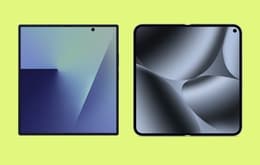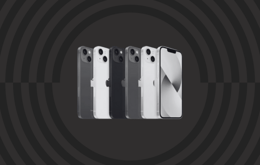

Google Pixel 8 • Unlocked vs iPhone 13 mini • Unlocked

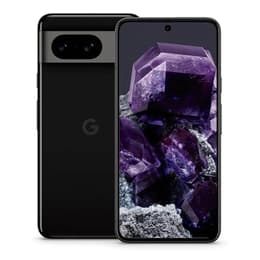
Google Pixel 8 • Unlocked
Starting at

Refurbished price:$254.00

Versus $699.99 new

See options
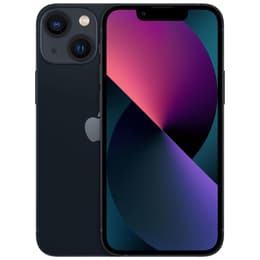
iPhone 13 mini • Unlocked
Starting at

Refurbished price:$216.00

Versus $629.00 new

See options

Ratings

The Google Pixel 8, released in October 2023, and the iPhone 13 Mini, launched in September 2021, represent distinct approaches to smartphone design and user experience. While the Pixel 8 offers a modern Android experience with advanced computational photography and AI features, the iPhone 13 Mini provides a compact iOS device with robust performance in a smaller form factor. Both devices aim to deliver a premium smartphone experience, but cater to different preferences regarding size, operating system, and feature priorities.

Scores

Durability

The practical lifespan of a smartphone is influenced by its release timeline, software support, and repairability.

  • Release and Support: The Google Pixel 8, released in October 2023, benefits from an extensive software support policy, promising up to seven years of major Android upgrades. In contrast, the iPhone 13 Mini, released in September 2021, typically receives iOS updates for approximately five to six years from its launch date. This difference means the Pixel 8 is expected to receive software support for a significantly longer period.
  • Repairability: The Pixel 8 generally receives moderate repairability scores, with some assessments placing it around 7 out of 10, indicating that self-repairs are possible for some components, though not always straightforward. The iPhone 13 Mini, however, is noted for its lower repairability, with scores around 4.0 out of 10, due to the extensive use of adhesive and the need for specialized tools for certain repairs.
  • Expected Lifespan: Users prioritizing long-term software updates and potentially easier component replacement may find the Pixel 8 to offer a longer practical lifespan. The iPhone 13 Mini, while durable with its Ceramic Shield front cover, presents more challenges for repairs.

Release Year

2023

2021

Last OS Compatibility

Yes

Yes

OS

Android

iOS

Foldable

No

No

Performance

Performance in both devices is driven by their respective chipsets, impacting app responsiveness, multitasking, and battery efficiency.

  • Processing Power: The Google Pixel 8 is equipped with a current-generation processor designed to handle demanding applications and multitasking smoothly, with a focus on AI-driven features. The iPhone 13 Mini, powered by a capable processor, also delivers robust performance for everyday tasks, gaming, and media consumption within the iOS ecosystem.
  • Multitasking and Storage: The Pixel 8 typically comes with 8GB of RAM, contributing to fluid multitasking and app management. Storage options for the Pixel 8 include 128GB and 256GB. The iPhone 13 Mini features 4GB of RAM and offers storage configurations of 128GB, 256GB, and 512GB, providing ample space for most users.
  • Battery Behavior: The Pixel 8 houses a 4575 mAh battery, with typical usage yielding 8-10 hours of screen time, though heavy use or mobile data can lead to faster drain. The iPhone 13 Mini, with a 2438 mAh battery, offers improved battery life compared to its predecessor, often lasting a full day for moderate users, but heavy users may find themselves needing to recharge before the day ends.

Memory (GB)

8 GB

4 GB

Screen quality

The visual experience on both devices is shaped by their display technology, resolution, and brightness capabilities.

  • Display Technology and Size: The Google Pixel 8 features a 6.2-inch OLED display, offering deep blacks and vibrant colors. The iPhone 13 Mini, with its 5.4-inch Super Retina XDR OLED display, provides a similarly rich visual experience in a more compact form factor.
  • Resolution and Brightness: The Pixel 8's display has a resolution of 1080x2400 pixels at 428 ppi, with a peak brightness of up to 2000 nits. The iPhone 13 Mini offers a resolution of 2340x1080 pixels at 476 ppi, with a typical brightness of 800 nits and a peak HDR brightness of 1200 nits. Both provide clear and sharp visuals.
  • Refresh Rate: The Pixel 8 boasts a variable refresh rate of 60-120Hz, contributing to smoother scrolling and a more responsive feel during dynamic content. The iPhone 13 Mini maintains a standard 60Hz refresh rate.

Resolution

1080 x 2400

1080 x 2340

Screen type

OLED

Super Retina XDR OLED

Audiovisual

Both smartphones offer capable camera systems, but with different strengths in photography and videography.

  • Rear Camera Systems: The Google Pixel 8 features a dual-camera setup with a 50MP wide lens and a 12MP ultrawide lens with autofocus. It is known for its computational photography, delivering excellent exposure, good detail, and pleasing color reproduction, especially in low light. The iPhone 13 Mini also has a dual 12MP camera system, comprising a wide lens with sensor-shift optical image stabilization and an ultrawide lens. It produces high-quality photos with realistic colors, particularly in good lighting.
  • Video Capabilities: The Pixel 8 supports video recording up to 4K at 60 frames per second, with features like Ultra HDR and improved audio capture. The iPhone 13 Mini also records 4K video at 60 frames per second and introduced Cinematic mode for shallow depth of field effects in video.
  • Front Camera and Features: The Pixel 8 includes a 10.5MP ultrawide front camera. The iPhone 13 Mini has a 12MP front camera. Both offer good selfie performance and support features like portrait mode.

Main camera

50 megapixels

12 megapixels

Front camera

10.5 megapixels

12 megapixels

Miscellaneous

Beyond core specifications, several practical elements differentiate the user experience of these two devices.

  • Connectivity and Ports: The Google Pixel 8 supports modern connectivity standards including 5G, Wi-Fi 6e/7, and Bluetooth 5.3, utilizing a USB Type-C 3.2 port for charging and data transfer. The iPhone 13 Mini also offers 5G and Wi-Fi 6 connectivity, along with Bluetooth 5.0, but uses Apple's proprietary Lightning connector.
  • Biometric Security: For unlocking and secure authentication, the Pixel 8 features an under-display optical fingerprint sensor. The iPhone 13 Mini relies on Face ID, Apple's facial recognition system.
  • Design and Handling: The Pixel 8 measures 150.5 x 70.8 x 8.9 mm and weighs 187g, featuring an aluminum frame and Gorilla Glass Victus on both the front and back. It has an IP68 rating for dust and water resistance. The iPhone 13 Mini is significantly smaller and lighter at 131.5 x 64.2 x 7.65 mm and 141g, with an aluminum chassis and Ceramic Shield front cover, also boasting an IP68 rating.

Weight

7 oz

4 oz

Screen size (inches)

6.2

5.4

Network

5G

5G

SIM card

Physical SIM + eSIM

Physical SIM + eSIM

Carrier compatibility

Unlocked

Unlocked

Connector

USB-C

Lightning

User sentiment for the Google Pixel 8 often highlights its camera capabilities and the integration of AI features as strong points, with many appreciating its ability to produce high-quality photos with minimal effort. Some users, however, have noted concerns regarding battery drain, particularly when using mobile data. For the iPhone 13 Mini, common praise centers on its compact size, making it comfortable for one-handed use, and its robust performance within the iOS ecosystem. A frequent criticism, despite improvements over its predecessor, is its battery life, which may not suffice for heavy users throughout a full day.

Users who prioritize a smaller, more pocketable device with a familiar operating system and strong everyday performance will find the iPhone 13 Mini well-suited to their needs. Its compact design is a key differentiator for those seeking a departure from larger smartphones. Conversely, individuals who value advanced computational photography, a longer software support window, and a larger display for media consumption and productivity may lean toward the Google Pixel 8. Both devices offer a quality-assured refurbished option, providing an eco-friendly alternative for consumers.
See all articles

Our recent comparisons