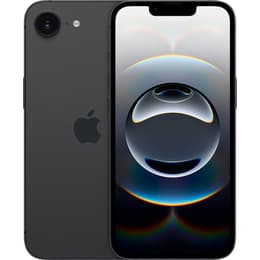
Google Pixel 6a • Unlocked vs iPhone 16e • Unlocked

Google Pixel 6a • Unlocked
Starting at

Refurbished price:$141.00

Versus $399.00 new

See options
iPhone 16e • Unlocked
Starting at

Refurbished price:$361.00

Versus $599.00 new

See options

Ratings

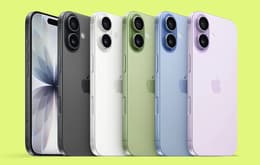
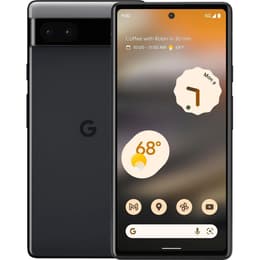
The Google Pixel 6A (2022) and the iPhone 16E (2025) represent different approaches to smartphone design and functionality, released years apart. While the Pixel 6A offers a strong camera experience and Google's software integration, the iPhone 16E, a more recent release, brings Apple's latest processor technology and a refined user experience. These devices cater to users with varying priorities, from software longevity and raw performance to photographic capabilities and operating system preference.

Scores

Durability

The practical lifespan of a smartphone is significantly influenced by its release date and subsequent software support. The Pixel 6A, launched in July 2022, and the iPhone 16E, released in February 2025, offer different timelines for ongoing support.

  • Software Updates: The Google Pixel 6A is scheduled to receive operating system updates until at least July 2025 and security updates until at least July 2027. [8, 12, 38] In contrast, the iPhone 16E, being a much newer device, benefits from Apple's typically longer software support cycle, ensuring it will receive major iOS updates for many years to come. [1]
  • Physical Durability: The Pixel 6A features Corning Gorilla Glass 3 for screen protection and an IP67 rating for dust and water resistance. [4, 10] The iPhone 16E incorporates Ceramic Shield on its display, which is designed for enhanced drop performance, and boasts an IP68 rating, offering superior dust and water immersion protection. [2, 5, 21]
  • Repairability: While specific repairability scores can vary, both devices are designed with modern smartphone construction, meaning professional repair is generally recommended for significant damage. The Pixel 6A's older design might offer some advantages in component accessibility compared to newer, more tightly integrated designs.

Release Year

2022

2025

OS

Android

iOS

Foldable

No

No

Performance

Performance is a key differentiator, with the newer iPhone 16E benefiting from significant advancements in processing power compared to the Pixel 6A.

  • Processing Power: The Google Pixel 6A is powered by Google's first-generation Tensor chip, which delivers capable performance for everyday tasks, app usage, and moderate gaming. [4, 10, 23, 33] The iPhone 16E features the Apple A18 system on a chip, a significantly newer and more powerful processor designed for demanding applications, advanced multitasking, and features like Apple Intelligence. [1, 3, 5, 17, 21, 30]
  • System Responsiveness: Users of the Pixel 6A generally experience smooth navigation and app loading, though some reports indicate potential throttling during extended heavy use. [4] The iPhone 16E, with its more advanced processor, offers a highly responsive and fluid user experience, handling intensive applications and graphics-heavy games with greater efficiency and sustained performance.
  • Memory and Storage: The Pixel 6A comes with 6GB of RAM and 128GB of internal storage, which is non-expandable. [4, 10, 24] The iPhone 16E typically offers 8GB of RAM and a choice of 128GB, 256GB, or 512GB storage configurations, providing more flexibility and capacity for users with extensive digital libraries or demanding applications. [1, 3, 26, 32]

Memory (GB)

6 GB

8 GB

Screen quality

Both devices feature vibrant OLED displays, but the iPhone 16E offers a more refined viewing experience with higher resolution and enhanced durability.

  • Display Technology and Clarity: The Google Pixel 6A features a 6.1-inch OLED display with a Full HD+ resolution (1080x2400 pixels), providing deep blacks and good contrast for media consumption. [4, 10] The iPhone 16E also has a 6.1-inch Super Retina XDR OLED display, but with a higher resolution of 2532 x 1170 pixels, resulting in sharper text and more detailed images. [1, 5, 6]
  • Brightness and Outdoor Visibility: The Pixel 6A's display offers adequate brightness for most indoor and outdoor conditions. The iPhone 16E's display provides higher typical maximum brightness and significantly higher peak brightness for HDR content, improving visibility in bright sunlight and enhancing HDR viewing. [5, 6]
  • Refresh Rate and Smoothness: Both the Pixel 6A and the iPhone 16E feature a standard 60Hz refresh rate. [4, 10, 28, 31, 40] This provides a consistent visual experience, though it does not offer the ultra-smooth scrolling and animation effects found on devices with higher refresh rates.

Resolution

1080 x 2400

2532x1170

Screen type

OLED

Super Retina XDR

Audiovisual

Both smartphones are recognized for their strong camera capabilities, leveraging advanced computational photography, though they differ in hardware and specific features.

  • Rear Camera System: The Google Pixel 6A is equipped with a dual-camera system, featuring a 12.2MP main sensor with optical image stabilization and a 12MP ultrawide sensor. [4, 15] It is highly praised for its computational photography, delivering consistent image quality, excellent dynamic range, and effective Night Sight and Portrait modes. [7, 14, 22, 25] The iPhone 16E sports a single 48MP Fusion main camera with a wide f/1.6 aperture and optical image stabilization, capable of producing super-high-resolution photos and offering a 2x telephoto option through sensor cropping. [1, 3, 6, 9, 21]
  • Video Recording and Front Camera: The Pixel 6A can record 4K video at up to 60 frames per second, and its 8MP front camera captures 1080p video. [7, 10, 15] The iPhone 16E also supports 4K video recording at up to 60 frames per second and features a 12MP TrueDepth front camera with autofocus, capable of 4K video capture. [1, 6, 9]
  • Special Features: The Pixel 6A includes features like Magic Eraser and Real Tone. [10] The iPhone 16E benefits from Apple's Photonic Engine and Smart HDR 5, enhancing image processing, and its front camera supports advanced features like Animoji and Memoji. [6]

Main camera

12.2 megapixels

48MP

Front camera

8 megapixels

TrueDepth 12MP

Miscellaneous

Beyond core performance, several practical elements contribute to the overall user experience, from connectivity to physical design.

  • Connectivity and Ports: Both devices support 5G connectivity, ensuring access to modern cellular networks. [10, 11, 3, 6] The Pixel 6A includes Wi-Fi and Bluetooth, and features a USB-C port for charging and data transfer, but lacks a headphone jack. [10, 11] The iPhone 16E also supports Wi-Fi 6 and Bluetooth 5.3, and has transitioned to a USB-C port, aligning with current industry standards. [3, 6, 9, 21, 27]
  • Biometrics and User Interface: The Pixel 6A utilizes an in-display fingerprint sensor for secure unlocking and authentication. [10] The iPhone 16E employs Face ID, Apple's facial recognition system, for secure access. [5, 27] The iPhone 16E also introduces an Action Button, offering customizable quick access to various functions. [1, 3, 5]
  • Design and Handling: The Pixel 6A features a thermoformed composite back and an aluminum frame, with dimensions of approximately 152.2 x 71.8 x 8.9 mm and a weight of around 178 grams. [35, 40] The iPhone 16E has an aluminum frame with a glass back and a Ceramic Shield front, measuring approximately 146.8 x 71.6 x 7.9 mm and weighing around 167 grams, offering a slightly more compact and lighter build. [5, 9, 21]

Weight

6 oz

167 oz

Screen size (inches)

6.1

6.1

Network

5G

5G

SIM card

Physical SIM + eSIM

eSIM

Carrier compatibility

Unlocked

Unlocked

The Google Pixel 6A and iPhone 16E cater to distinct user preferences, largely due to their differing release timelines and ecosystem approaches. The Pixel 6A is often praised by users for its exceptional camera performance, particularly its computational photography capabilities that deliver impressive photos in various conditions. [7, 22, 25] Its clean Android experience and timely software updates (within its support window) are also frequently highlighted. [8, 12] However, some users note its 60Hz display and slower charging speeds as areas where it falls behind more contemporary devices. [4]

The iPhone 16E, as a more recent offering, garners positive feedback for its powerful A18 chip, ensuring smooth and responsive performance across demanding applications and games. [3, 5, 21] Its updated camera system, featuring a high-resolution main sensor and 2x telephoto capabilities, along with the integration of Apple Intelligence, are also significant advantages for users. [1, 3, 5, 21] The iPhone 16E's modern design, durable Ceramic Shield display, and longer software support are also strong points. [1, 5, 21]

Users prioritizing a highly capable camera and a pure Android experience, and who are comfortable with a device from 2022, may find the Pixel 6A suitable. Conversely, users who value cutting-edge performance, a longer software support lifespan, advanced durability features, and the Apple ecosystem will likely lean towards the iPhone 16E. Both devices offer compelling features, and considering a quality-assured refurbished option for either model can be an eco-friendly alternative to purchasing new.


See all articles

Our recent comparisons