Compare models

iPhone 14 • Unlocked vs iPhone Air • Unlocked

  • 1-year warranty
  • Free standard shipping
  • Free 30-day returns
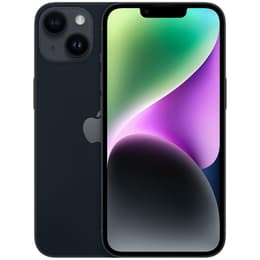
iPhone 14 • Unlocked
Starting at

Refurbished price:$286.00

Versus $629.00 new

See options
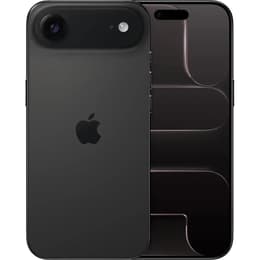
iPhone Air • Unlocked
Starting at

Refurbished price:$772.00

Versus $999.00 new

See options

Differences at a glance

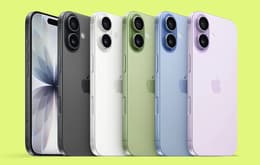
The iPhone 14 (2022) and the iPhone Air (2025) represent two distinct approaches to Apple's smartphone lineup, balancing traditional form factors with ultra-slim design philosophies. While the iPhone 14 offers a reliable, standard footprint for everyday tasks, the iPhone Air introduces a breakthrough lightweight chassis and updated internal capabilities. Both devices run on iOS, though the newer model benefits from an extended software support window.

Available Models

Color

Storage (GB)

Scores

Durability

When evaluating hardware longevity and software support, both smartphones offer dependable update paths, though their release years create a natural gap in active lifespan.

  • Release timeline and software support: The iPhone 14 launched in 2022 and receives regular system updates, while the iPhone Air debuted in 2025, providing several additional years of future software compatibility and security patches.
  • Repairability and durability design: Both models feature robust water resistance ratings and reinforced glass, with the newer iPhone Air incorporating an advanced titanium frame and scratch-resistant materials designed to maintain structural integrity over prolonged use.
  • Expected practical lifespan: Users can expect multi-year daily reliability from both units, though the iPhone Air retains peak performance relevance further into the future due to its newer hardware architecture.

Release Year

2022

2025

Last OS Compatibility

Yes

Yes

OS

iOS

iOS

Foldable

No

No

Performance

System responsiveness and everyday multitasking differ due to the generational gap in internal hardware between the two devices.

  • Processor capabilities: The iPhone 14 handles routine communication, media streaming, and standard applications smoothly, whereas the newer iPhone Air provides faster app loading speeds and improved thermal management for demanding tasks and resource-heavy software.
  • Multitasking and memory: The iPhone Air includes a larger amount of system memory, allowing more apps to remain active in the background without reloading compared to the iPhone 14.
  • Storage configurations: Both devices are available in multiple storage tiers to accommodate varying media and document storage needs, supporting seamless daily file management.

Screen quality

Display technology varies significantly in size, brightness capabilities, and visual fluidity between these two smartphone models.

  • Display panels and refresh rates: The iPhone 14 features a standard refresh rate screen, while the iPhone Air incorporates an adaptive high refresh rate display that scales smoothly during scrolling and gaming.
  • Outdoor visibility: The iPhone Air reaches higher peak outdoor brightness levels, making on-screen content easier to read under direct sunlight compared to the iPhone 14.
  • Screen dimensions: The iPhone Air offers a larger viewing canvas within a slim bezel layout, whereas the iPhone 14 maintains a more compact, traditional screen size for single-handed navigation.

Resolution

1170 x 2532

2736x1260

Screen type

Super Retina XDR OLED

Super Retina XDR

Audiovisual

Photography and media consumption hardware offer distinct capabilities tailored to different user recording preferences.

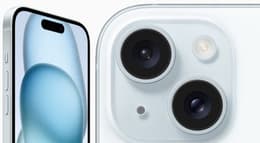
  • Rear camera systems: The iPhone 14 utilizes a dual-lens setup including standard and ultra-wide options, while the iPhone Air streamlines the rear hardware with a single high-resolution main sensor capable of sharp everyday photography.
  • Video recording and low light: Both devices capture detailed video with steady stabilization, though the newer processing pipeline on the iPhone Air yields refined clarity in challenging lighting conditions.
  • Audio output: Stereo speakers on both models deliver clear sound for hands-free calls, podcasts, and casual video playback.

Main camera

12 megapixels

48 megapixels

Front camera

12 megapixels

18 megapixels

Miscellaneous

Physical dimensions, connectivity standards, and daily handling characteristics set these two devices apart in practical scenarios.

  • Build and physical handling: The iPhone Air focuses on an ultra-slim, lightweight profile that reduces pocket bulk, whereas the iPhone 14 features a slightly thicker, familiar hand-feel.
  • Connectivity standards: The iPhone Air integrates advanced wireless networking and modern cellular modem technology, while the iPhone 14 relies on established 5G and Wi-Fi protocols.
  • Authentication and ports: Both models utilize secure facial recognition for unlocking and rely on standard charging port connections for power delivery and data transfer.

Weight

6 oz

185 oz

Screen size (inches)

6.1

6.5

Network

5G

5G

SIM card

eSIM

eSIM

Carrier compatibility

Unlocked

Unlocked

Connector

Lightning

USB-C

What the community thinks

User feedback indicates that the iPhone 14 is widely appreciated for its dependable, straightforward performance in a familiar shape, though some users note that its battery requires daily replenishment under heavy loads. Conversely, the iPhone Air earns praise for its exceptionally slim profile and vibrant display, though users occasionally mention that the single rear camera setup lacks optical zoom versatility. Users prioritizing a featherlight feel and modern display technology may prefer the iPhone Air, while users seeking a traditional, compact smartphone experience often lean toward the iPhone 14. For those aiming to make an eco-conscious purchasing decision, exploring a quality-assured refurbished option provides a sustainable way to acquire either device without compromising on performance.

Our recent comparisons