Galaxy S21 Ultra 5G • Unlocked vs Google Pixel 8a • Unlocked

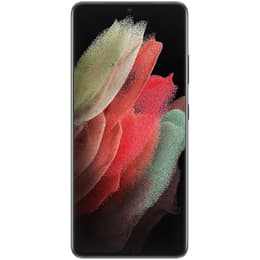
Galaxy S21 Ultra 5G • Unlocked
Starting at

Refurbished price:$257.00

Versus $1,199.99 new

See options
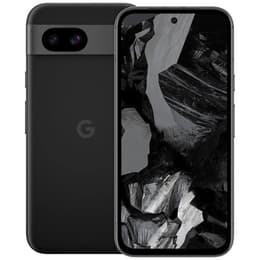
Google Pixel 8a • Unlocked
Starting at

Refurbished price:$229.00

Versus $899.99 new

See options

Ratings

The Samsung Galaxy S21 Ultra 5G, released in January 2021, and the Google Pixel 8a, launched in May 2024, represent different approaches to the smartphone market. While the S21 Ultra was a premium flagship at its release, the Pixel 8a is positioned as a feature-rich device with a focus on artificial intelligence and extended software support. Both devices run on the Android operating system, but they offer distinct user experiences shaped by their respective manufacturers' philosophies and hardware capabilities.

Scores

Durability

The practical lifespan of a smartphone is heavily influenced by its release date and the manufacturer's commitment to software updates. These two devices have significant differences in this regard.

  • Release Timeline: The Galaxy S21 Ultra 5G was released in January 2021, making it an older device compared to the Google Pixel 8a, which launched in May 2024. This age difference directly impacts their remaining software support.
  • Software Longevity: The Pixel 8a offers an impressive seven years of OS, security, and Feature Drop updates from its release, meaning support is expected until at least 2031. In contrast, the Galaxy S21 Ultra 5G typically received four major Android OS updates and five years of security updates, with its official support period concluding around January 2026.
  • Build Durability: The S21 Ultra features Gorilla Glass Victus on both its front and back, along with an aluminum frame and an IP68 rating for dust and water resistance. The Pixel 8a uses Gorilla Glass 3 for its display and has a plastic back with an aluminum frame, offering IP67 dust and water resistance. While both offer protection, the S21 Ultra's materials generally provide a higher level of scratch and drop resistance.

Release Year

2021

2024

Last OS Compatibility

Yes

Yes

OS

Android

Android

Foldable

No

No

Performance

Performance for both devices is driven by their respective processors, influencing how smoothly apps run, how quickly tasks are completed, and the overall responsiveness of the user interface.

  • Everyday Responsiveness: The Pixel 8a, equipped with a more recent generation processor, handles demanding applications and multitasking smoothly, providing a fluid user experience. The Galaxy S21 Ultra 5G, while a flagship in its time, offers capable performance for daily tasks, but its older processor may show limitations with the most intensive modern applications compared to newer hardware.
  • Storage and RAM: The Galaxy S21 Ultra 5G was available with 12GB or 16GB of RAM and storage options up to 512GB. The Pixel 8a comes with 8GB of RAM and up to 256GB of internal storage. For users who frequently run many applications simultaneously or require extensive local storage, the S21 Ultra offered more headroom.
  • Battery Behavior: The Galaxy S21 Ultra 5G features a 5000 mAh battery, designed to provide ample power for a full day of use. The Pixel 8a has a 4492 mAh battery, which, despite being smaller, is optimized by its processor and software for competitive battery life, often lasting a full day for many users.

Memory (GB)

12 GB

8 GB

Screen quality

The display is a primary interaction point, and both phones offer distinct visual experiences based on their panel technology and specifications.

  • Display Technology and Clarity: The Galaxy S21 Ultra 5G features a larger 6.8-inch Dynamic AMOLED 2X display with a QHD+ resolution (3200x1440 pixels), resulting in a very sharp and detailed image. The Pixel 8a has a 6.1-inch Actua OLED display with a Full HD+ resolution (2400x1080 pixels), offering clear visuals on a slightly smaller canvas.
  • Brightness and Refresh Rate: Both devices offer a 120Hz adaptive refresh rate for smooth scrolling and animations. The S21 Ultra can reach a peak brightness of 1500 nits, while the Pixel 8a boasts a higher peak brightness of 2000 nits, which can be beneficial for outdoor visibility in bright conditions.
  • Viewing Experience: The S21 Ultra's larger screen size and higher resolution provide a more expansive and immersive viewing experience, particularly for media consumption and detailed content. The Pixel 8a's smaller display makes it more manageable for one-handed use and those who prefer a compact device.

Resolution

1440 x 3200

1080 x 2400

Screen type

Dynamic AMOLED 2X

OLED

Audiovisual

Both smartphones offer advanced camera systems, but they approach photography with different hardware configurations and software optimizations.

  • Rear Camera Systems: The Galaxy S21 Ultra 5G features a versatile quad-camera setup, including a 108MP main sensor, a 12MP ultrawide, and two 10MP telephoto lenses (3x and 10x optical zoom), allowing for significant optical zoom capabilities. The Pixel 8a has a dual-camera system with a 64MP main sensor and a 13MP ultrawide lens, relying heavily on computational photography for image processing.
  • Photography Performance: The S21 Ultra excels in offering a wide range of focal lengths and detailed zoomed-in shots due to its dedicated telephoto hardware. The Pixel 8a is known for its consistent image quality across various conditions, particularly its strong performance in everyday and low-light photography, often leveraging its advanced software features like Magic Editor and Best Take.
  • Video Recording: The Galaxy S21 Ultra 5G supports 8K video recording at 24fps and 4K at 60fps. The Pixel 8a records video at up to 4K resolution at 60fps. Both offer optical image stabilization for smoother video.

Main camera

108 megapixels

64 megapixels

Front camera

40 megapixels

13 megapixels

Miscellaneous

Beyond core performance and display, several practical features and design elements differentiate these two devices.

  • Connectivity Standards: Both phones support 5G connectivity and Wi-Fi 6E for fast wireless internet. The Pixel 8a features Bluetooth 5.3, a slightly newer standard than the S21 Ultra's Bluetooth 5.2.
  • Physical Design and Handling: The Galaxy S21 Ultra 5G is a larger and heavier device, measuring 165.1 x 75.6 x 8.9 mm and weighing 227-229g. The Pixel 8a is more compact and lighter at 152.1 x 72.7 x 8.9 mm and 188g, making it easier for one-handed use. The S21 Ultra also supports the S Pen for added functionality.
  • Biometric Security and Ports: Both devices feature an under-display fingerprint sensor for secure unlocking. Both utilize a USB-C port for charging and data transfer, but neither includes a traditional 3.5mm headphone jack.

Weight

8 oz

7 oz

Screen size (inches)

6.8

6.1

Network

5G

5G

SIM card

Physical SIM + eSIM

Physical SIM + eSIM

Carrier compatibility

Unlocked

Unlocked

Users often praise the Samsung Galaxy S21 Ultra 5G for its comprehensive camera system, particularly its versatile zoom capabilities and high-resolution main sensor, which was a standout feature at its launch. Its large, vibrant display and premium build materials also frequently receive positive remarks. Some common criticisms, however, have revolved around its battery life for heavy users and the initial software experience. The Google Pixel 8a, on the other hand, is widely lauded for its exceptional computational photography, delivering consistent and high-quality images despite its simpler camera hardware. Its extended software support and the integration of Google's AI features are also significant advantages highlighted by users. Some users have noted its slower charging speeds and the use of older Gorilla Glass for the display as areas for improvement.

Users prioritizing a highly versatile camera system with extensive optical zoom and a large, high-resolution display may find the Galaxy S21 Ultra 5G well-suited to their needs. Its premium build and S Pen support cater to those seeking a feature-rich, flagship-tier experience. Conversely, users who value long-term software support, consistent camera performance driven by AI, and a more compact form factor will likely lean towards the Google Pixel 8a. It offers a streamlined Android experience with a focus on smart features. For those considering either device, exploring quality-assured refurbished options can provide an eco-friendly alternative, extending the life cycle of these products and offering a sustainable choice.

See all articles

Our recent comparisons