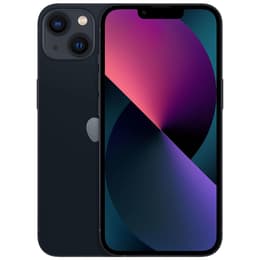

Google Pixel 8a • Unlocked vs iPhone 13 • Unlocked

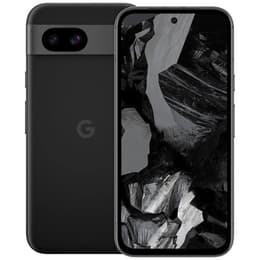
Google Pixel 8a • Unlocked
Starting at

Refurbished price:$229.00

Versus $899.99 new

See options
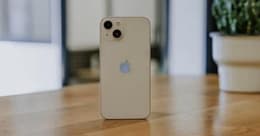
iPhone 13 • Unlocked
Starting at

Refurbished price:$218.00

Versus $629.00 new

See options

Ratings

The Google Pixel 8a, released in May 2024, and the Apple iPhone 13, launched in September 2021, represent distinct approaches to smartphone design and functionality. While both devices offer capable performance and camera systems, they differ significantly in their operating systems, display technology, and long-term software support. This comparison will explore their practical differences to help users determine which device aligns best with their needs.

Scores

Durability

Evaluating the long-term usability of a smartphone involves considering its release timeline, expected software support, and ease of repair. The Pixel 8a and iPhone 13 present different profiles in these areas.

  • Software Longevity: The Google Pixel 8a, being a newer device, benefits from an extended software support policy, promising seven years of OS and security updates until May 2031. In contrast, the iPhone 13, released earlier, is expected to receive major iOS updates for approximately five to six years from its launch, likely until 2026 or 2027, with security updates potentially continuing for a period thereafter. [1, 13, 15, 17, 20, 22, 28, 29, 42, 44]
  • Repairability: The iPhone 13 initially received a repairability score of 5 out of 10 from iFixit, which later improved to 6 out of 10 with a software update addressing Face ID functionality after screen replacements. [5, 6, 8, 14, 19] The Google Pixel 8a has a repairability score of 4.5 out of 10, with challenges noted for components like the charging port and screen replacement due to adhesive use. [7, 34]
  • Build Durability: Both devices feature robust construction. The iPhone 13 incorporates a Ceramic Shield front cover and an aluminum frame, offering enhanced drop protection and IP68 water and dust resistance. [10, 23] The Pixel 8a uses Corning Gorilla Glass 3 for its display and a reinforced aluminum frame, providing IP67 water and dust resistance. [3, 9, 11, 35]

Release Year

2024

2021

Last OS Compatibility

Yes

Yes

OS

Android

iOS

Foldable

No

No

Performance

The performance of a smartphone is crucial for daily tasks, app usage, and overall responsiveness. Both the Pixel 8a and iPhone 13 deliver smooth experiences, though with different underlying architectures.

  • Processing Power: The iPhone 13 is equipped with a powerful processor that handles demanding applications and multitasking with efficiency, providing a fluid user experience across various tasks, including gaming and video editing. The Pixel 8a features a current-generation processor designed to manage everyday apps and AI-driven features smoothly, offering responsive performance for most users. [27, 31, 37]
  • Multitasking and Storage: The Pixel 8a comes with 8GB of RAM, which supports efficient multitasking and keeps more applications active in the background. [1, 9, 11] The iPhone 13 includes 4GB of RAM, optimized by its operating system to maintain smooth transitions between apps. [12, 31] Both devices offer 128GB and 256GB storage options, with the iPhone 13 also providing a 512GB variant for users requiring more space. [1, 2, 12]
  • Battery Behavior: The Pixel 8a houses a 4492 mAh battery, generally providing a full day of use for most users, though charging speeds are moderate at 18W wired and 7.5W wireless. [4, 11, 26, 27, 30] The iPhone 13, with its 3227 mAh battery, is frequently praised for its optimized battery life, often lasting a full day or more under typical usage conditions. [12, 16, 23, 33]

Memory (GB)

8 GB

4 GB

Screen quality

The display is a primary interface for smartphone interaction, and both devices offer vibrant viewing experiences with some key distinctions.

  • Display Technology and Resolution: Both the Google Pixel 8a and the iPhone 13 feature 6.1-inch OLED displays, delivering deep blacks and vibrant colors. The Pixel 8a has a resolution of 2400 x 1080 pixels, while the iPhone 13 offers a slightly higher resolution of 2532 x 1170 pixels. [1, 2, 3, 9, 11, 12, 31]
  • Refresh Rate and Brightness: A notable difference lies in the refresh rate. The Pixel 8a features a 120Hz refresh rate, contributing to smoother scrolling and more fluid animations, which can be particularly noticeable during gaming or fast-paced content consumption. [3, 9, 11, 25, 31, 36, 39, 40] The iPhone 13 has a standard 60Hz refresh rate, which provides a consistent visual experience for everyday use. [2, 12, 23, 31] For brightness, the Pixel 8a can reach a peak brightness of 2000 nits, while the iPhone 13 offers a peak brightness of 1200 nits, both providing good visibility in various lighting conditions. [3, 12, 23]
  • Screen Size and Viewing: Both devices share a similar 6.1-inch screen size, offering a comfortable balance between immersive viewing and one-handed usability. The iPhone 13 features a Ceramic Shield front cover for added durability, while the Pixel 8a uses Corning Gorilla Glass 3. [3, 9, 11, 23, 35]

Resolution

1080 x 2400

1170 x 2532

Screen type

OLED

Super Retina XDR OLED

Audiovisual

Camera capabilities are a significant factor for many users, and both the Pixel 8a and iPhone 13 excel in different aspects of photography and videography.

  • Rear Camera Systems: The Google Pixel 8a features a dual-camera setup with a 64 MP wide-angle main sensor with optical image stabilization (OIS) and a 13 MP ultrawide sensor. [1, 3, 11] The iPhone 13 also has a dual-camera system, consisting of a 12 MP wide-angle main sensor with sensor-shift OIS and a 12 MP ultrawide sensor. [2, 18]
  • Photography Performance: The Pixel 8a is widely praised for its computational photography, delivering detailed and color-accurate photos, especially in various lighting conditions, and includes AI-powered editing features. [25, 27, 36, 39] The iPhone 13 consistently produces sharp images with natural colors and strong low-light performance, benefiting from its sensor-shift stabilization. [16, 23, 38]
  • Video Recording and Audio: The iPhone 13 offers 4K video recording at up to 60 frames per second and includes features like Cinematic Mode for a shallow depth of field effect. [2, 18, 38] The Pixel 8a records 4K video at 30 frames per second. [1, 11] Both devices feature stereo speakers for media consumption, with the Pixel 8a generally offering good audio quality. [1, 25, 36, 41]

Main camera

64 megapixels

12 megapixels

Front camera

13 megapixels

12 megapixels

Miscellaneous

Beyond core features, several practical elements contribute to the overall user experience and daily convenience of these smartphones.

  • Connectivity and Ports: Both devices support 5G connectivity for fast mobile data. The Pixel 8a supports Wi-Fi 6E and Bluetooth 5.3, offering advanced wireless capabilities. [9, 11] The iPhone 13 supports Wi-Fi 6 and Bluetooth 5.0. [10, 15] The Pixel 8a uses a USB-C port for charging and data transfer, while the iPhone 13 utilizes Apple's proprietary Lightning port. [39]
  • Biometric Security: The Pixel 8a incorporates an under-display fingerprint scanner for secure unlocking and authentication. [41] The iPhone 13 relies on Face ID, Apple's facial recognition system, for biometric security. [10]
  • Design and Handling: The Pixel 8a features a matte plastic back and rounded corners, contributing to a comfortable in-hand feel. [27] The iPhone 13 has a flat-edged design with an aluminum frame and a glass back, offering a premium tactile experience. [10, 23, 40] Both devices are relatively compact, making them suitable for one-handed use. [27, 30]

Weight

7 oz

6 oz

Screen size (inches)

6.1

6.1

Network

5G

5G

SIM card

Physical SIM + eSIM

Physical SIM + eSIM

Carrier compatibility

Unlocked

Unlocked

Connector

USB-C

Lightning

Choosing between the Google Pixel 8a and the iPhone 13 involves weighing different priorities and ecosystem preferences. Users frequently praise the Pixel 8a for its exceptional camera performance, particularly its computational photography capabilities and AI features, often noting its clean Android experience. [25, 27, 36, 39] Criticisms sometimes point to its slower charging speeds and noticeable display bezels. [27, 36]

The iPhone 13 is consistently lauded for its robust build quality, strong overall performance, and impressive battery life that often exceeds expectations for its size. [16, 23, 33] Its video recording capabilities are also a frequent highlight. Some users express a desire for a higher refresh rate display and the versatility of a USB-C port. [23, 39]

Users prioritizing long-term software support and a highly capable camera system with advanced AI features may find the Google Pixel 8a well-suited to their needs. Its 120Hz display also offers a smoother visual experience. Conversely, individuals who value a highly optimized ecosystem, consistent performance, superior video recording, and a slightly more premium build may lean towards the iPhone 13. Both devices offer reliable performance for daily use, and considering a quality-assured refurbished option for either model can be a sustainable choice for consumers.
See all articles

Our recent comparisons