
Galaxy S22 5G • Locked AT&T vs iPhone 11 Pro Max • Unlocked

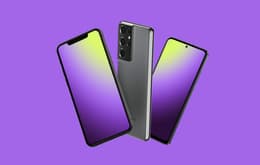
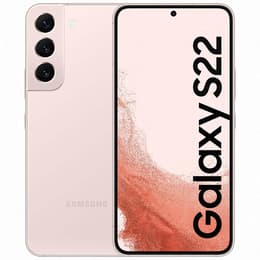
Galaxy S22 5G • Locked AT&T
Starting at

Refurbished price:$164.99

Versus $799.99 new

See options
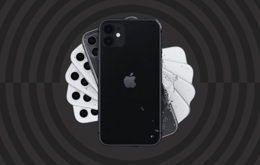
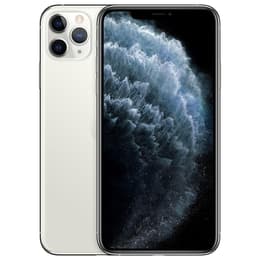
iPhone 11 Pro Max • Unlocked
Starting at

Refurbished price:$214.00

Versus $849.00 new

See options

Ratings

The Samsung Galaxy S22 5G, released in February 2022, and the Apple iPhone 11 Pro Max, launched in September 2019, represent different generations and operating systems within the smartphone market. While the Galaxy S22 operates on Android and offers more recent technological advancements, the iPhone 11 Pro Max runs on iOS and provides a robust experience from a few years prior. The primary distinctions between these two devices lie in their release timelines, connectivity options, and core software ecosystems.

Scores

Durability

The practical lifespan of a smartphone is influenced by its release date, software support, and physical resilience. The Galaxy S22 5G, being a newer device, benefits from a longer expected period of software updates compared to the iPhone 11 Pro Max.

  • Software Longevity: The Galaxy S22 5G, running Android, typically receives several years of major operating system updates and security patches, extending its functional life well into the future. The iPhone 11 Pro Max, an iOS device, has already received multiple major iOS updates since its 2019 release, with Apple known for providing extended software support, often for five to six years from the launch date.
  • Physical Durability: Both devices feature an IP68 rating for dust and water resistance, indicating protection against submersion. The Galaxy S22 5G incorporates Gorilla Glass Victus+ on its front and back, paired with an aluminum frame, offering enhanced resistance to drops and scratches. The iPhone 11 Pro Max features a glass front and back with a stainless steel frame, contributing to its solid build.
  • Repairability: The iPhone 11 Pro Max received a repairability score of 6 out of 10 from iFixit, noting that critical display and battery repairs are prioritized in its design, and the battery replacement process has been simplified.

Release Year

2022

2019

Last OS Compatibility

Yes

Yes

OS

Android

iOS

Foldable

No

No

Performance

Performance in smartphones is determined by the efficiency of their internal components, impacting how smoothly applications run and how effectively the device manages power.

  • Processing Power: The Galaxy S22 5G is equipped with a current-generation processor, allowing it to handle demanding applications, complex multitasking, and graphic-intensive games with fluidity. The iPhone 11 Pro Max, featuring its A13 Bionic chip, continues to deliver responsive performance for everyday tasks and many modern games, though it is an older generation.
  • Multitasking Capability: The Galaxy S22 5G typically comes with 8GB of RAM, which supports extensive multitasking and keeps numerous applications open in the background without significant slowdowns. The iPhone 11 Pro Max includes 4GB of RAM, which, combined with iOS's efficient memory management, provides a smooth user experience for most common usage patterns.
  • Battery Behavior: The Galaxy S22 5G houses a 3700 mAh battery. User experiences suggest that heavy usage may require more frequent charging throughout the day. The iPhone 11 Pro Max, with a 3969 mAh battery, was noted for its excellent battery endurance upon release, often providing extended usage times for many users.

Memory (GB)

8 GB

4 GB

Screen quality

The display is a primary interface for smartphone interaction, and differences in technology and specifications can significantly affect the visual experience.

  • Display Technology and Clarity: The Galaxy S22 5G features a 6.1-inch Dynamic AMOLED 2X display, offering vibrant colors, deep blacks, and excellent contrast. Its resolution of 1080 x 2340 pixels provides sharp visuals. The iPhone 11 Pro Max boasts a larger 6.5-inch Super Retina XDR OLED display, known for its precise color accuracy and high contrast, with a resolution of 2688 x 1242 pixels, resulting in a slightly higher pixel density.
  • Brightness and Refresh Rate: The Galaxy S22 5G offers a 120Hz adaptive refresh rate, contributing to smoother scrolling and more fluid animations, along with a peak brightness of 1300 nits for good visibility in bright conditions. The iPhone 11 Pro Max has a standard 60Hz refresh rate, though it features 120Hz touch-sensing for responsiveness, and reaches a peak brightness of 1200 nits, ensuring clear viewing outdoors.
  • Viewing Experience: The Galaxy S22 5G's smaller screen size makes it more manageable for one-handed use, while the iPhone 11 Pro Max's larger display provides a more expansive canvas for media consumption and productivity. Both displays support HDR content for an enhanced viewing experience.

Resolution

1080 x 2340

1242 x 2688

Screen type

Dynamic AMOLED 2X

Super Retina XDR OLED

Audiovisual

Camera systems are a key differentiator, with both devices offering versatile setups for various photography and videography needs.

  • Rear Camera System: The Galaxy S22 5G features a triple-lens rear camera system, including a 50MP wide-angle lens with optical image stabilization (OIS), a 10MP telephoto lens with 3x optical zoom and OIS, and a 12MP ultrawide lens. The iPhone 11 Pro Max also has a triple 12MP camera setup, comprising a wide-angle lens with OIS, a telephoto lens with 2x optical zoom and OIS, and an ultrawide lens with a 120-degree field of view.
  • Photography Features: The Galaxy S22 5G offers advanced features like Dual Pixel PDAF for fast autofocus and can capture detailed images with its high-resolution main sensor. The iPhone 11 Pro Max introduced Night mode for improved low-light photography and Deep Fusion for enhanced detail and texture, along with Smart HDR for balanced exposures.
  • Video Recording and Audio: The Galaxy S22 5G is capable of recording video at up to 8K resolution at 24 frames per second, alongside 4K at 60fps, and features stereo speakers for media playback. The iPhone 11 Pro Max records 4K video at up to 60 frames per second across all its cameras and also includes stereo speakers for an immersive audio experience.

Main camera

50 megapixels

12 megapixels

Front camera

10 megapixels

12 megapixels

Miscellaneous

Beyond core features, several practical elements contribute to the overall user experience, from connectivity to physical design.

  • Connectivity and Ports: The Galaxy S22 5G supports 5G cellular networks, offering faster data speeds where available, and includes Wi-Fi 6 and Bluetooth 5.2. It uses a USB-C port for charging and data transfer. The iPhone 11 Pro Max is limited to 4G LTE connectivity, features Wi-Fi 6 and Bluetooth 5.0, and utilizes Apple's proprietary Lightning port.
  • Biometric Security: The Galaxy S22 5G incorporates an ultrasonic fingerprint sensor embedded under the display for secure unlocking, in addition to face recognition. The iPhone 11 Pro Max relies on Face ID, Apple's facial recognition system, for secure authentication.
  • Design and Handling: The Galaxy S22 5G is a more compact device, measuring 146 x 70.6 x 7.6 mm and weighing 167 grams, making it easier for one-handed operation. The iPhone 11 Pro Max is larger and heavier at 158 x 77.8 x 8.1 mm and 226 grams, providing a more substantial feel in hand.

Weight

7 oz

8 oz

Screen size (inches)

6.1

6.5

Network

5G

LTE

SIM card

Dual Physical SIM + eSIM

Physical SIM + eSIM

Carrier compatibility

AT&T

Unlocked

Connector

USB-C

Lightning

The Samsung Galaxy S22 5G and the iPhone 11 Pro Max cater to different user preferences, largely due to their distinct operating systems and the generational gap between their releases. Users often praise the Galaxy S22 for its compact form factor, modern Android features, and vibrant, high-refresh-rate display. However, some users have noted that its battery life can be a concern for heavy usage.

Conversely, the iPhone 11 Pro Max is frequently lauded for its exceptional battery life, which was a significant improvement at its launch, and its consistently reliable camera system. Criticisms often point to its lack of 5G connectivity and the use of the Lightning port, which is less universal than USB-C.

Users prioritizing a smaller device with the latest Android features, including 5G connectivity and a very smooth display, may find the Galaxy S22 5G better suited to their needs. Those who value extended battery life, a larger display, and the established iOS ecosystem, even without 5G, might lean towards the iPhone 11 Pro Max. Both devices offer strong performance for their respective platforms, and choosing between them often comes down to a preference for operating system and specific feature priorities. For those considering either device, exploring quality-assured refurbished options can be an eco-friendly alternative.


See all articles

Our recent comparisons