Galaxy S23 Ultra • Unlocked vs iPhone 14 • Locked T-Mobile

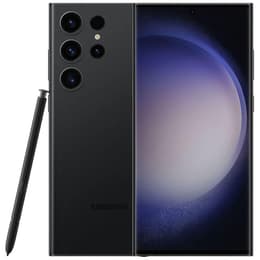
Galaxy S23 Ultra • Unlocked
Starting at

Refurbished price:$399.99

Versus $1,199.99 new

See options
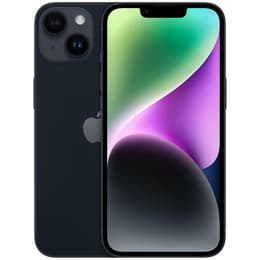
iPhone 14 • Locked T-Mobile
Starting at

Refurbished price:$269.00

Versus $599.00 new

See options

Ratings

The Samsung Galaxy S23 Ultra, released in February 2023, and the iPhone 14, launched in September 2022, represent distinct approaches to the premium smartphone experience. While both offer advanced mobile technology, they cater to different user preferences through their operating systems and core functionalities. The Galaxy S23 Ultra stands out with its integrated S Pen and versatile camera system, whereas the iPhone 14 emphasizes a streamlined user experience and robust ecosystem.

Scores

Durability

When considering the long-term usability of these devices, both offer substantial software support and physical resilience, though with some differences in repairability and update timelines.

  • Software Longevity: The iPhone 14 typically receives iOS updates for approximately five to six years from its release, potentially extending its software lifespan further into the future. The Galaxy S23 Ultra is supported with four years of Android OS updates and five years of security updates, ensuring it remains current and secure for a significant period.
  • Physical Durability: Both devices feature robust construction, with the iPhone 14 utilizing a Ceramic Shield front and the Galaxy S23 Ultra featuring Gorilla Glass Victus 2 on its display and back. Both also carry an IP68 rating for water and dust resistance, indicating protection against immersion.
  • Repairability Considerations: The iPhone 14 initially received a favorable repairability assessment due to an internal redesign making some components more accessible. However, this score was later downgraded due to software limitations that can restrict functionality when non-authorized parts are used for repairs. The Galaxy S23 Ultra has been noted for its relatively easier repair process for certain components, such as the battery, for non-professionals.

Release Year

2023

2022

Last OS Compatibility

Yes

Yes

OS

Android

iOS

Foldable

No

No

Performance

Both smartphones deliver responsive performance for daily tasks and demanding applications, though they achieve this through different hardware and software optimizations.

  • System Responsiveness: The iPhone 14 provides a fluid user experience, handling everyday applications and multitasking smoothly. The Galaxy S23 Ultra offers a powerful performance, capable of managing intensive applications and graphics-heavy games with efficiency.
  • Storage Options: Both devices offer a range of internal storage capacities to suit various user needs. The iPhone 14 is available with 128GB, 256GB, or 512GB of storage. The Galaxy S23 Ultra provides more expansive options, including 256GB, 512GB, and 1TB configurations.
  • Battery Behavior: The iPhone 14 is recognized for its efficient battery management, often providing all-day power for typical usage patterns. The Galaxy S23 Ultra, equipped with a larger battery capacity, also delivers extended usage times, with users frequently reporting long battery life even under heavy use.

Memory (GB)

8 GB

6 GB

Screen quality

The visual experience on both devices is characterized by vibrant colors and sharp details, but they differ in size, refresh rate, and peak brightness capabilities.

  • Display Technology and Size: The iPhone 14 features a 6.1-inch Super Retina XDR OLED display, offering deep blacks and vibrant colors in a compact form factor. The Galaxy S23 Ultra boasts a larger 6.8-inch Dynamic AMOLED 2X display, providing an expansive viewing area.
  • Resolution and Clarity: The iPhone 14 has a resolution of 2532x1170 pixels, resulting in a clear image with 460 pixels per inch. The Galaxy S23 Ultra offers a higher QHD+ resolution of 3088x1440 pixels, delivering exceptional sharpness on its larger screen with 500 pixels per inch.
  • Brightness and Smoothness: The iPhone 14 reaches a typical brightness of 800 nits and a peak HDR brightness of 1200 nits. Its display operates at a standard 60Hz refresh rate. The Galaxy S23 Ultra offers a higher peak brightness of 1750 nits, making it highly visible in bright outdoor conditions. It also features an adaptive refresh rate that can scale from 1Hz to 120Hz, contributing to smoother scrolling and more fluid animations.

Resolution

1440 x 3088

1170 x 2532

Screen type

Dynamic AMOLED 2X

Super Retina XDR OLED

Audiovisual

Both smartphones offer capable camera systems, but the Galaxy S23 Ultra provides greater versatility with its multiple lenses and advanced zoom capabilities, while the iPhone 14 focuses on consistent image quality across its dual-camera setup.

  • Rear Camera Systems: The iPhone 14 is equipped with a dual 12MP camera system, including a main wide-angle lens and an ultra-wide lens, designed for capturing detailed photos and videos in various lighting conditions. The Galaxy S23 Ultra features a quad-camera setup, highlighted by a 200MP main sensor, a 12MP ultrawide lens, and two 10MP telephoto lenses offering 3x and 10x optical zoom, respectively.
  • Low-Light and Video Performance: Both devices excel in low-light photography, with the iPhone 14 benefiting from its Photonic Engine for improved detail and color. The Galaxy S23 Ultra features enhanced 'Nightography' capabilities, leveraging its high-resolution sensor for brighter and more detailed low-light images and videos. The iPhone 14 supports 4K Dolby Vision HDR recording, while the Galaxy S23 Ultra can record 8K video at 30 frames per second.
  • Front Camera and Audio: The iPhone 14 includes a 12MP front camera with autofocus, enhancing selfie clarity. The Galaxy S23 Ultra also has a 12MP front camera, which supports Super HDR for improved dynamic range in selfies. Both devices offer clear microphone quality for calls and recordings, and their speakers provide a good audio experience for media consumption.

Main camera

200 megapixels

12 megapixels

Front camera

12 megapixels

12 megapixels

Miscellaneous

Beyond their core features, both devices offer distinct practical elements that influence their overall user experience and suitability for different lifestyles.

  • Connectivity and Ports: Both smartphones support 5G connectivity and modern Wi-Fi standards for fast wireless communication. The iPhone 14 uses a Lightning port for charging and data transfer. The Galaxy S23 Ultra features a USB-C port, offering broad compatibility with various accessories.
  • Biometric Security: The iPhone 14 relies on Face ID for secure facial recognition. The Galaxy S23 Ultra incorporates an ultrasonic in-display fingerprint sensor for biometric authentication.
  • Unique Features and Design: A key differentiator for the Galaxy S23 Ultra is its integrated S Pen, which allows for precise input, note-taking, drawing, and remote control functionalities. The iPhone 14 introduces safety features like Crash Detection and Emergency SOS via Satellite. In terms of physical characteristics, the iPhone 14 is more compact and lighter, weighing 172 grams and measuring 146.7 x 71.5 x 7.8 mm. The Galaxy S23 Ultra is a larger and heavier device at 234 grams and 163.4 x 78.1 x 8.9 mm, reflecting its larger display and battery.

Weight

8 oz

6 oz

Width

3.1 in

2.82 in

Height

6.4 in

5.78 in

Depth

0.4 in

0.31 in

Screen size (inches)

6.8

6.1

Network

5G

5G

SIM card

Physical SIM + eSIM

eSIM

Carrier compatibility

Unlocked

T-Mobile

The Samsung Galaxy S23 Ultra and iPhone 14 cater to different user priorities, each excelling in specific areas based on user feedback and design philosophy.

Users frequently praise the Galaxy S23 Ultra for its exceptional display, the versatility offered by the integrated S Pen, its powerful performance, and its long-lasting battery. Its comprehensive camera system, particularly the advanced zoom capabilities and improved low-light performance, is also a common highlight. Some users, however, note its large size might be less comfortable for smaller hands and have occasionally mentioned that photos, especially selfies, might not always appear natural.

The iPhone 14 is often commended for its robust performance, consistent camera quality with significant improvements in low-light conditions, and its reliable battery life for all-day use. Its streamlined iOS experience and long-term software support are also strong points. Criticisms sometimes revolve around its incremental upgrades compared to its predecessor, the absence of a high refresh rate display, and the lack of a dedicated optical zoom lens.

Users prioritizing a large, high-resolution display, advanced camera zoom, and the unique productivity features of a stylus will find the Galaxy S23 Ultra well-suited to their needs. Conversely, those who value a more compact device, a consistent and intuitive operating system, and a strong ecosystem with robust safety features may lean toward the iPhone 14. Both devices are available as quality-assured refurbished options, providing an eco-friendly alternative for consumers.


See all articles

Our recent comparisons