iPads
Compare models
Differences at a glance
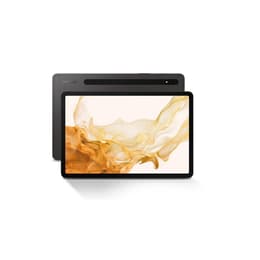
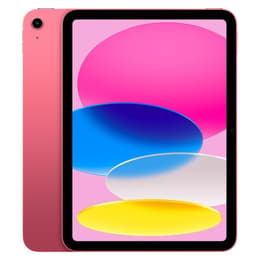
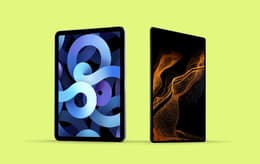
The Samsung Galaxy Tab S8 Ultra, released in February 2022, and the Apple iPad (10th generation), launched in October 2022, represent distinct approaches to the tablet experience. While both devices offer modern tablet functionality, they operate on different ecosystems—Android with Samsung's One UI for the Tab S8 Ultra and Apple's iPadOS for the iPad. Key differentiators between these two models include their display sizes, software environments, and their suitability for various user needs, ranging from immersive entertainment and professional productivity to general everyday use.
Color
Storage
When considering the long-term usability of these tablets, both offer robust builds and software support, though with differing timelines.
Release Year
Last OS Compatibility
OS
The performance capabilities of these two tablets cater to different user demands, influenced by their internal components and software optimization.
The visual experience on these tablets is a significant differentiator, primarily due to their display technologies and physical dimensions.
Resolution
Screen type
Pixel density
Both tablets include camera systems suitable for video calls and casual photography, with some notable differences in versatility and placement.
Beyond core specifications, several practical elements contribute to the overall user experience and differentiate these two tablets.
Weight
Screen size (inches)
Network
Carrier compatibility
The Samsung Galaxy Tab S8 Ultra and the iPad (10th generation) cater to different user preferences and needs, each excelling in specific areas. User feedback often praises the Galaxy Tab S8 Ultra for its expansive and vibrant Super AMOLED display, which is ideal for immersive media consumption and detailed creative tasks. The included S Pen and the DeX desktop-like experience are frequently highlighted as strong points for productivity-focused users. Some common criticisms, however, revolve around its large size, which can impact portability, and the perceived limitations of the Android tablet app ecosystem compared to iPadOS.
Conversely, the iPad (10th generation) is often lauded for the fluidity and user-friendliness of iPadOS, its seamless integration within the Apple ecosystem, and its reliable performance for general use. Points of concern sometimes include its 60Hz display refresh rate, the compatibility with only the first-generation Apple Pencil (which requires a separate purchase and a specific charging method), and the USB-C 2.0 transfer speeds.
Users prioritizing a large, high-quality display for entertainment, digital art with an included stylus, or a versatile desktop-like productivity environment may find the Galaxy Tab S8 Ultra well-suited to their needs. For individuals seeking a balanced, intuitive tablet for general productivity, education, and entertainment within the Apple ecosystem, who also value a more portable form factor, the iPad (10th generation) could be a more fitting choice. Both devices offer compelling features, and considering a quality-assured refurbished option can be an eco-friendly alternative for acquiring either tablet.