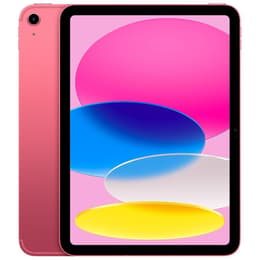
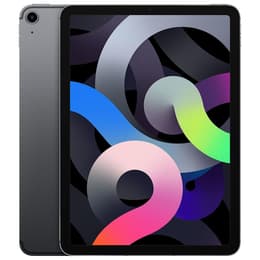
iPad 10 (2022, A14 series) vs iPad Air 4 (2020, A14 series)

iPad 10 (2022, A14 series)
Starting at

Refurbished price:$259.00

Versus $349.00 new

See options
iPad Air 4 (2020, A14 series)
Starting at

Refurbished price:$249.00

Versus $599.00 new

See options

Ratings

The iPad 2022 (10th generation), released in October 2022, and the iPad Air 2020 (4th generation), launched in September 2020, are both tablets running Apple's iPadOS. While they share a similar modern design aesthetic and the same core processor, key distinctions lie in their front camera capabilities and Apple Pencil compatibility, catering to slightly different user needs.

Scores

Durability

When considering the longevity of these devices, several factors come into play, primarily their release dates and Apple's typical software support cycles.

  • Release Timeline: The iPad 2022 was released two years after the iPad Air 2020. This difference means the iPad 2022 will likely receive major iPadOS updates for a longer period, potentially extending its practical lifespan by an additional year or two compared to the iPad Air 2020.
  • Software Longevity: Both devices are powered by the A14 Bionic chip, which is a capable processor. However, the newer release date of the iPad 2022 positions it to benefit from future software optimizations for a longer duration.
  • Physical Durability: Both models feature an aluminum back and frame with a glass front. While neither boasts advanced durability features like Ceramic Shield, they offer comparable resistance to everyday wear and tear.

Release Year

2022

2020

Last OS Compatibility

Yes

Yes

OS

iPadOS

iPadOS

Maximum Operating System supported

iPadOS 18

iPadOS 18

Performance

Both the iPad 2022 and the iPad Air 2020 are equipped with the same A14 Bionic chip, which means their raw processing power for many tasks is very similar.

  • Processing Power: The A14 Bionic chip provides a responsive experience for a wide range of applications, from web browsing and video streaming to more demanding tasks like photo editing and gaming. Users can expect smooth app loading and efficient multitasking on both devices.
  • Multitasking and Apps: For everyday use, including running multiple apps simultaneously or engaging in graphically intensive games, both iPads deliver consistent performance. The shared processor ensures that most applications will run comparably well across both models.
  • Battery Behavior: Both tablets are designed to offer similar battery life, typically providing up to 10 hours of web browsing over Wi-Fi or video playback. This allows for extended use throughout the day for most users.

Memory (GB)

4 GB

4 GB

Processor

Apple A14 Bionic

Apple A14 Bionic

Screen quality

The visual experience on both iPads is largely consistent, as they share similar display technologies and specifications.

  • Display Technology: Both devices feature a 10.9-inch Liquid Retina IPS LCD display. This technology provides good color accuracy and wide viewing angles, suitable for media consumption and productivity.
  • Resolution and Clarity: With a resolution of 2360 x 1640 pixels at 264 pixels per inch, both screens offer sharp text and clear images. This ensures a detailed viewing experience for various content types.
  • Brightness and Features: Both displays achieve a typical brightness of 500 nits and include True Tone technology, which adjusts the display's color and intensity to match the ambient light. This contributes to comfortable viewing in different lighting conditions.

Resolution

2360 x 1640

2360 x 1640

True Tone

Yes

Yes

Pro-Motion

No

No

Screen type

Liquid Retina display

Liquid Retina display

Pixel density

264ppp

264ppp

Brightness

500 nits brightness

500 nits brightness

Sound quality

Speakers

Stereo speakers

Stereo speakers

Audiovisual

While both iPads offer capable camera systems, there are notable differences, particularly concerning the front-facing camera, which can influence their suitability for specific uses.

  • Rear Camera: Both the iPad 2022 and iPad Air 2020 are equipped with a 12MP wide rear camera with an f/1.8 aperture. This allows for capturing detailed photos and 4K video recording at up to 60 frames per second.
  • Front Camera: The iPad 2022 features a 12MP ultra-wide front camera with Center Stage, which automatically keeps subjects in frame during video calls. In contrast, the iPad Air 2020 has a 7MP wide front camera. This makes the iPad 2022 more suited for users who frequently engage in video conferencing.
  • Audio Experience: Both models include stereo speakers, providing a balanced audio output for media consumption and video calls.

Miscellaneous

Beyond core performance and display, several practical elements differentiate these two iPad models, impacting user interaction and accessory compatibility.

  • Connectivity: Both iPads support Wi-Fi 6 and offer cellular models with 5G capabilities. The iPad 2022 features Bluetooth 5.2, a slight upgrade from the iPad Air 2020's Bluetooth 5.0. Both utilize a USB-C port for charging and data transfer.
  • Apple Pencil Support: A significant difference lies in Apple Pencil compatibility. The iPad 2022 supports the 1st generation Apple Pencil (requiring a USB-C to Apple Pencil Adapter for pairing and charging). The iPad Air 2020, however, supports the 2nd generation Apple Pencil, which attaches magnetically to the side for pairing and wireless charging.
  • Design and Handling: Both devices feature an all-screen design with Touch ID integrated into the top button. The iPad Air 2020 is slightly thinner and lighter (6.1 mm, 458g Wi-Fi) compared to the iPad 2022 (7 mm, 477g Wi-Fi), which may offer a marginally more comfortable handling experience for some users.

Weight

16 oz

16 oz

Width

7 in

7 in

Height

9.7 in

9.7 in

Depth

0.2 in

0.2 in

Screen size (inches)

10.9

10.9

Network

Wi-Fi

Wi-Fi

Carrier compatibility

Without SIM Port

Without SIM Port

Wi-Fi technology

Wi-Fi 6 802.11ax

Wi-Fi 6 802.11ax

Bluetooth Version

Bluetooth 5.2

Bluetooth 5.0

Face ID

No

No

Touch ID

Yes

Yes

Connector

USB Type-C

USB Type-C

The iPad 2022 and iPad Air 2020, despite their different release years, offer a compelling choice for tablet users, each with distinct advantages. Users often praise both models for their reliable performance, vibrant displays, and seamless integration within the Apple ecosystem. Common feedback highlights their suitability for a range of activities, from casual browsing and media consumption to more intensive productivity tasks and creative endeavors. Some users, however, note the absence of a high refresh rate display on both models as a point of consideration.

Users prioritizing the latest model with a slightly longer software update window and an enhanced front camera for video calls may find the iPad 2022 to be a more suitable option. Its landscape-oriented front camera with Center Stage is a notable improvement for virtual interactions. Conversely, those who value the convenience of the 2nd generation Apple Pencil, with its magnetic attachment and wireless charging, might lean towards the iPad Air 2020. While the iPad Air 2020 is an older model, its core performance remains robust due to the shared A14 Bionic chip. Both devices represent solid choices, and considering a quality-assured refurbished option for either model can provide an eco-friendly alternative for consumers.


See all articles

Our recent comparisons