
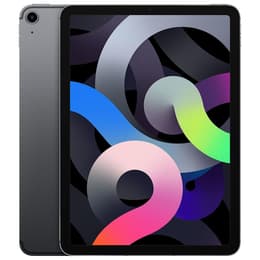
iPad 7 (2019, A10 series) vs iPad Air 4 (2020, A14 series)

iPad 7 (2019, A10 series)
Starting at

Refurbished price:$94.00

Versus $329.00 new

See options
iPad Air 4 (2020, A14 series)
Starting at

Refurbished price:$235.95

Versus $729.00 new

See options

Ratings

The iPad 2019 (7th Generation) and the iPad Air 2020 (4th Generation) are two distinct tablet offerings from Apple, released approximately a year apart. While both run on Apple's iPadOS, the iPad Air 2020 introduces a more modern design, a significantly more powerful internal processor, and updated connectivity options, setting it apart from the more traditional iPad 2019. These differences cater to varying user needs, from casual browsing to more demanding creative and productivity tasks.

Scores

Durability

The longevity of a tablet is influenced by its release timeline, software support, and physical durability.

  • Release Timeline and Software Support: The iPad 2019, released in September 2019, is powered by an older generation processor, which means its software support cycle is nearing its end. It is expected to receive major iPadOS updates up to iPadOS 18. The iPad Air 2020, launched in October 2020, benefits from a newer, more efficient processor, ensuring it will receive major iPadOS updates for a longer period, likely extending its functional lifespan by at least one to two years compared to the 2019 model.
  • Repairability and Physical Durability: Both iPads, like many modern tablets, present challenges for repair due to the extensive use of strong adhesives. The iPad 2019 has a particularly low repairability score, partly because its Lightning port, a common point of failure, is soldered to the logic board. The iPad Air 2020 features a more contemporary design with flat edges, which can offer a slightly more robust feel, though its internal repairability also involves significant adhesive.
  • Expected Practical Lifespan: Users can expect the iPad 2019 to remain functional for everyday tasks for several more years, though it may struggle with future demanding applications. The iPad Air 2020, with its more advanced internal components, is better positioned for sustained performance with newer applications and operating system features over a longer duration.

Release Year

2019

2020

Last OS Compatibility

Yes

Yes

OS

iPadOS

iPadOS

Maximum Operating System supported

iPadOS 18

iPadOS 18

Performance

Performance differences between these two tablets are notable, primarily due to their different internal processing capabilities and RAM configurations.

  • Processor Capabilities and Responsiveness: The iPad 2019 is equipped with a processor that handles everyday tasks such as web browsing, email, and streaming video smoothly. However, it may show limitations with more intensive applications or graphically demanding games. The iPad Air 2020 features a significantly more advanced processor, providing a substantial boost in speed and efficiency. This allows for much smoother performance in demanding apps, complex multitasking, and high-fidelity gaming.
  • Multitasking and App Handling: The iPad 2019 comes with 3GB of RAM, which is sufficient for basic multitasking, but users might experience occasional slowdowns when switching between multiple heavy applications. The iPad Air 2020 includes 4GB of RAM, offering improved capacity for running several applications simultaneously and maintaining responsiveness during intensive workflows.
  • Storage Options: The iPad 2019 was available with 32GB or 128GB of internal storage. The iPad Air 2020 offers more generous base storage options, starting at 64GB and also available in a 256GB configuration, providing more room for apps, media, and documents.

Memory (GB)

3 GB

4 GB

Processor

Apple A10 Fusion

Apple A14 Bionic

Screen quality

The visual experience on these two iPads differs due to advancements in display technology and design.

  • Display Technology and Clarity: The iPad 2019 features a 10.2-inch Retina IPS LCD display, offering clear visuals and good color reproduction for general use. The iPad Air 2020 upgrades to a 10.9-inch Liquid Retina IPS LCD display, which not only provides a slightly larger viewing area but also incorporates advanced features like True Tone technology for adaptive white balance and P3 wide color support for more vibrant and accurate colors.
  • Resolution and Brightness: Both tablets offer a resolution of 264 pixels per inch (ppi), ensuring sharp text and images. They also share a similar peak brightness of 500 nits, making them suitable for indoor use and generally adequate for outdoor viewing, though direct sunlight can still pose challenges.
  • Lamination and Anti-Reflective Coating: A key difference is that the iPad Air 2020's display is fully laminated and includes an anti-reflective coating. This design reduces the gap between the glass and the display panel, making content appear closer to the surface and minimizing reflections, which enhances the viewing experience, especially in varied lighting conditions. The iPad 2019 lacks this lamination and coating.

Resolution

2160 x 1620

2360 x 1640

True Tone

No

Yes

Pro-Motion

No

No

Screen type

Retina display

Liquid Retina display

Pixel density

264ppp

264ppp

Brightness

500 nits brightness

500 nits brightness

Sound quality

Speakers

Stereo speakers

Stereo speakers

Audiovisual

The camera systems and audio capabilities vary between the two models, impacting their suitability for photography, video calls, and media consumption.

  • Rear Camera Performance: The iPad 2019 is equipped with an 8-megapixel rear camera, capable of capturing decent photos in good lighting and recording 1080p video at 30 frames per second. It is generally sufficient for document scanning and casual photography. The iPad Air 2020 features a more capable 12-megapixel rear camera with a wider aperture, leading to clearer pictures and improved performance in lower light conditions. It can also record video in 4K resolution at various frame rates.
  • Front Camera and Video Calls: For video calls and selfies, the iPad 2019 has a 1.2-megapixel front-facing camera, which is adequate for basic video conferencing. The iPad Air 2020 significantly upgrades this to a 7-megapixel front camera, providing clearer and more detailed images for video calls and supporting 1080p video recording at 60 frames per second.
  • Audio Experience: Both iPads feature stereo speakers, providing a satisfactory audio experience for media consumption. The iPad 2019 retains a 3.5mm headphone jack, offering compatibility with traditional wired headphones. The iPad Air 2020, however, omits the headphone jack, relying on wireless audio solutions or USB-C adapters.

Miscellaneous

Beyond core performance and display, several practical elements differentiate these two tablets in daily use.

  • Connectivity Options: Both devices support Wi-Fi and Bluetooth for wireless connectivity. The iPad 2019 uses Bluetooth 4.2 and Wi-Fi 802.11ac. The iPad Air 2020 features newer standards, including Bluetooth 5.0 and Wi-Fi 6 (802.11ax), offering potentially faster and more stable wireless connections, especially in congested environments.
  • Port Types: The iPad 2019 utilizes Apple's proprietary Lightning connector for charging and data transfer, and includes a traditional 3.5mm headphone jack. The iPad Air 2020 adopts a more versatile USB-C port, allowing for broader compatibility with accessories, external displays, and faster data transfer speeds, but it removes the headphone jack.
  • Biometric Security and Accessories: Both tablets feature Touch ID for secure authentication. The iPad 2019 integrates Touch ID into the traditional home button. The iPad Air 2020 innovatively moves Touch ID to the top power button, allowing for a more expansive display. The iPad 2019 supports the 1st generation Apple Pencil and the Smart Keyboard. The iPad Air 2020 supports the more advanced 2nd generation Apple Pencil, which magnetically attaches and charges, and is compatible with the Magic Keyboard and Smart Keyboard Folio.
  • Design and Handling: The iPad 2019 maintains the classic iPad design with thicker bezels and a home button. The iPad Air 2020 features a more modern, squared-off design with thinner bezels, resembling the iPad Pro line. It is also slightly thinner and lighter than the 2019 model, contributing to a more contemporary feel and potentially more comfortable handling for extended periods.

Weight

17 oz

16 oz

Width

6.8 in

7 in

Height

9.8 in

9.7 in

Depth

0.2 in

0.2 in

Screen size (inches)

10.2

10.9

Network

Wi-Fi

Wi-Fi + 4G

Carrier compatibility

Without SIM Port

Unlocked

Wi-Fi technology

Wi-Fi 6 802.11a/b/g/n/ac

Wi-Fi 6 802.11ax

Bluetooth Version

Bluetooth 4.2

Bluetooth 5.0

Face ID

No

No

Touch ID

Yes

Yes

Connector

Lightning connector

USB Type-C

User feedback often highlights the iPad 2019 as a reliable and capable device for general use, praised for its consistent performance in everyday tasks and its value for students and casual users. Some common criticisms include its aging processor and the limitations of its front-facing camera. The iPad Air 2020, on the other hand, receives frequent acclaim for its significant performance boost, modern design, and enhanced display, often being compared favorably to the more premium iPad Pro models. Users appreciate its versatility for more demanding creative work and gaming, though some note that its battery life, while good, might not always match the standard iPad for light usage.

Users prioritizing a cost-effective tablet for essential functions like web browsing, media consumption, and light productivity will find the iPad 2019 well-suited to their needs. Its traditional design and compatibility with the 1st generation Apple Pencil make it a straightforward choice for those seeking a familiar experience. Conversely, users who require more robust performance for graphic-intensive applications, advanced multitasking, or who desire a more modern aesthetic with improved camera capabilities and USB-C connectivity, will likely prefer the iPad Air 2020. Its support for the 2nd generation Apple Pencil and Magic Keyboard also makes it a strong contender for creative professionals and those looking for a more laptop-like experience. Both models are available as quality-assured refurbished options, providing an eco-friendly alternative for consumers.

See all articles

Our recent comparisons