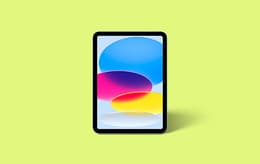
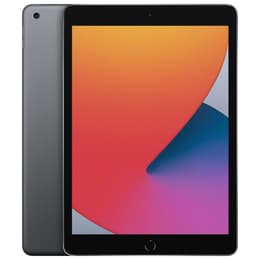
iPad 7 (2019, A10 series) vs iPad 8 (2020, A12 series)

iPad 7 (2019, A10 series)
Starting at

Refurbished price:$84.00

Versus $329.00 new

See options
iPad 8 (2020, A12 series)
Starting at

Refurbished price:$113.00

Versus $329.00 new

See options

Ratings

The iPad 2019, also known as the 7th generation iPad, and the iPad 2020, or 8th generation iPad, are both entry-level tablets from Apple. Released in September 2019 and September 2020, respectively, these devices share a similar design and the iPadOS operating system. The primary distinction between them lies in their internal processing power, which influences overall performance and long-term software support.

Scores

Durability

When considering the longevity of these devices, the release timeline and internal components play a significant role. Both iPads receive regular iPadOS updates, ensuring access to new features and security enhancements for several years. However, the newer model benefits from a more advanced processor, which typically translates to extended software support.

  • Software Longevity: The iPad 2020, with its newer processor, is expected to receive iPadOS updates for a longer duration than the iPad 2019. While the iPad 2019 (7th Gen) supports iPadOS up to version 18.7.7, the iPad 2020 (8th Gen) is compatible with iPadOS 26, indicating a longer future-proofing for the latter.
  • Physical Durability: Both models feature a similar build with a glass front, aluminum back, and aluminum frame, offering comparable physical durability. They also share the same dimensions and are designed to withstand typical daily use.
  • Repairability: Both generations generally offer similar repairability, with common components being accessible for servicing. The availability of parts for older models can vary over time, but as mainstream devices, support tends to be robust.

Release Year

2019

2020

Last OS Compatibility

Yes

Yes

OS

iPadOS

iPadOS

Maximum Operating System supported

iPadOS 18

iPadOS 18

Performance

The core difference in performance between these two iPads stems from their internal processing units. While both are capable of handling everyday tasks, the iPad 2020 offers a noticeable upgrade in speed and efficiency.

  • Processing Capabilities: The iPad 2020 features a more advanced processor, which provides a significant boost in performance compared to the iPad 2019. This translates to faster app loading times, smoother multitasking, and more responsive operation, especially with demanding applications or games.
  • Multitasking and Responsiveness: Users of the iPad 2020 will experience a more fluid experience when switching between multiple applications or running complex tasks simultaneously. The enhanced processing power allows for a more seamless and less interrupted workflow.
  • Battery Behavior: Both models are designed to offer up to 10 hours of web surfing on Wi-Fi or video playback. While the iPad 2020's more efficient processor might theoretically lead to slightly better battery optimization under certain loads, real-world usage often shows comparable battery life for general tasks.

Memory (GB)

3 GB

3 GB

Processor

Apple A10 Fusion

Apple A12 Bionic

Screen quality

Both the iPad 2019 and iPad 2020 feature identical display specifications, providing a consistent visual experience across both models.

  • Display Technology: Both devices are equipped with a 10.2-inch LED-backlit Multi-Touch Retina IPS display. This technology delivers vibrant colors and wide viewing angles, suitable for various content consumption and productivity tasks.
  • Resolution and Clarity: The screens on both iPads offer a resolution of 2160 by 1620 pixels at 264 pixels per inch (ppi). This resolution ensures sharp text and clear images for reading, browsing, and watching videos.
  • Brightness and Features: Both displays provide 500 nits of brightness, making them suitable for indoor use and generally adequate for outdoor viewing, though direct sunlight can still pose challenges. They also feature a fingerprint-resistant oleophobic coating.

Resolution

2160 x 1620

2160 x 1620

True Tone

No

No

Pro-Motion

No

No

Screen type

Retina display

Retina display

Pixel density

264ppp

264ppp

Brightness

500 nits brightness

500 nits brightness

Sound quality

Speakers

Stereo speakers

Stereo speakers

Audiovisual

The camera systems on the iPad 2019 and iPad 2020 are largely identical, offering similar capabilities for photography and video recording.

  • Rear Camera Performance: Both iPads feature an 8-megapixel rear camera with an ƒ/2.4 aperture. This camera is capable of capturing decent photos in well-lit conditions and supports features like autofocus, panorama, and HDR for photos. Video recording is supported at 1080p HD at 30 frames per second.
  • Front Camera for Communication: For video calls and selfies, both models include a 1.2-megapixel FaceTime HD camera. This front camera is suitable for video conferencing and casual self-portraits, recording 720p HD video.
  • Practical Use: While the cameras are functional for everyday use, video calls, and scanning documents, they are not designed for professional-grade photography. Users primarily focused on high-quality imaging might consider other devices.

Miscellaneous

Beyond the core performance and display, both iPad models share several practical features and design elements that contribute to their overall user experience.

  • Connectivity and Ports: Both devices support Wi-Fi (802.11ac with dual-band 2.4GHz and 5GHz) and Bluetooth 4.2. Cellular models are available for both, offering LTE connectivity. Both iPads utilize a Lightning connector for charging and data transfer, and they retain a 3.5 mm headphone jack.
  • Input and Security: Both the iPad 2019 and 2020 support the 1st generation Apple Pencil and the Smart Keyboard, expanding their utility for note-taking, drawing, and typing. For security, both models feature Touch ID, a reliable fingerprint sensor integrated into the Home button.
  • Physical Attributes: The dimensions and weight are nearly identical for both models, making them equally portable and comfortable to handle. The Wi-Fi models weigh approximately 483-490 grams, while the cellular models are slightly heavier at around 493-495 grams.

Weight

17 oz

17 oz

Width

6.8 in

6.8 in

Height

9.8 in

9.8 in

Depth

0.2 in

0.2 in

Screen size (inches)

10.2

10.2

Network

Wi-Fi

Wi-Fi

Carrier compatibility

Without SIM Port

Without SIM Port

Wi-Fi technology

Wi-Fi 6 802.11a/b/g/n/ac

Wi-Fi 6 802.11a/b/g/n/ac

Bluetooth Version

Bluetooth 4.2

Bluetooth 4.2

Face ID

No

No

Touch ID

Yes

Yes

Connector

Lightning connector

Lightning connector

The iPad 2019 and iPad 2020 offer compelling tablet experiences, each suited to different user priorities. User sentiment often highlights the iPad 2020's enhanced performance as a key advantage, making it a more future-proof option for those who engage in more demanding tasks or wish to keep their device for a longer period. The iPad 2019, while older, is frequently praised for providing a solid iPad experience for general use. Criticisms for both models often point to the unchanged display technology and camera specifications compared to more premium iPad lines.

Users prioritizing a device for basic web browsing, email, media consumption, and light productivity will find the iPad 2019 well-suited to their needs. Its capabilities remain robust for these everyday functions. Conversely, users who anticipate running more intensive applications, multitasking frequently, or desire the longest possible software support will likely lean towards the iPad 2020 due to its more powerful internal components. The performance boost in the iPad 2020 makes it a better choice for students or professionals who rely on their tablet for more rigorous academic or work-related tasks. Both models represent a sustainable choice when considering refurbished options, offering quality-assured alternatives that extend the life cycle of electronic products.
See all articles

Our recent comparisons