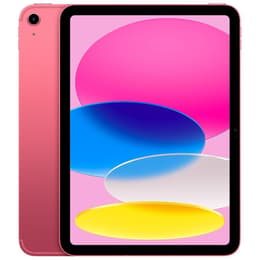
iPad 8 (2020, A12 series) vs iPad 10 (2022, A14 series)

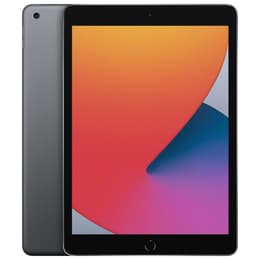
iPad 8 (2020, A12 series)
Starting at

Refurbished price:$113.00

Versus $329.00 new

See options
iPad 10 (2022, A14 series)
Starting at

Refurbished price:$282.00

Versus $349.00 new

See options

Ratings

The iPad 8th generation, released in September 2020, and the iPad 10th generation, launched in October 2022, represent two iterations of Apple's standard tablet line. While both devices operate on the iPadOS platform, the 10th generation model introduces a refreshed design, an upgraded processor, and enhanced connectivity options that distinguish it from its predecessor. These differences primarily influence performance, display aesthetics, and camera capabilities, catering to varying user needs.

Scores

Durability

When considering the long-term usability of these tablets, their release dates and Apple's software support policies are key factors. The newer iPad 10th generation naturally benefits from a longer expected period of major iPadOS updates compared to the iPad 8th generation.

  • Software Longevity: The iPad 8th generation, released in 2020, has received several years of iPadOS updates and is expected to continue receiving them for a few more years. The iPad 10th generation, released in 2022, will likely receive software support for an additional two years beyond its predecessor, offering a longer runway for access to new features and security updates.
  • Physical Durability: Both models feature an aluminum unibody construction, providing a robust feel. While specific repairability scores can vary, the general design of both standard iPad models suggests a similar level of ease for professional repairs.
  • Practical Lifespan: Users can expect both devices to remain functional for several years. However, the iPad 10th generation's newer internal components and extended software support mean it will likely maintain optimal performance and compatibility with the latest applications for a longer duration.

Release Year

2020

2022

Last OS Compatibility

Yes

Yes

OS

iPadOS

iPadOS

Maximum Operating System supported

iPadOS 18

iPadOS 18

Performance

The performance capabilities of these two iPad models are primarily driven by their respective processors, impacting how smoothly they handle various tasks from everyday browsing to more demanding applications.

  • Processing Power: The iPad 8th generation is equipped with a capable processor that handles general tasks, web browsing, and most applications with ease. The iPad 10th generation features a more advanced processor, providing a noticeable boost in speed and efficiency for more intensive applications, complex multitasking, and graphics-heavy gaming.
  • Multitasking and Responsiveness: For users who frequently switch between multiple applications or engage in demanding creative work, the iPad 10th generation offers a more fluid and responsive experience due to its enhanced processing power and increased RAM (4GB compared to 3GB in the 8th Gen).
  • Storage Options: Both models are available with similar storage configurations, typically starting at 64GB and going up to 256GB for the 10th generation, and 32GB or 128GB for the 8th generation. Users should consider their storage needs based on the number of apps, photos, and videos they plan to keep on the device.
  • Battery Behavior: Both iPads are designed to offer up to 10 hours of web surfing on Wi-Fi or video playback. The more efficient processor in the iPad 10th generation contributes to maintaining this battery life even with its increased performance.

Memory (GB)

3 GB

4 GB

Processor

Apple A12 Bionic

Apple A14 Bionic

Screen quality

The visual experience on a tablet is largely defined by its display, and while both iPads offer quality screens, there are distinct differences in size and features.

  • Display Technology and Size: The iPad 8th generation features a 10.2-inch Retina IPS LCD display with a resolution of 2160 x 1620 pixels. The iPad 10th generation upgrades to a larger 10.9-inch Liquid Retina IPS LCD display with a resolution of 2360 x 1640 pixels, offering a slightly more expansive viewing area. Both maintain a pixel density of 264 pixels per inch, ensuring sharp text and images.
  • Brightness and Clarity: Both models provide a maximum brightness of 500 nits, which is sufficient for comfortable indoor and outdoor use in most conditions. The iPad 10th generation also includes True Tone technology, which automatically adjusts the display's color temperature to match the ambient light, providing a more natural viewing experience.
  • Refresh Rate: Both the iPad 8th and 10th generations feature a standard 60Hz refresh rate. This provides a smooth experience for general use, though it does not offer the ultra-smooth scrolling found on devices with higher refresh rates.

Resolution

2160 x 1620

2360 x 1640

True Tone

No

Yes

Pro-Motion

No

No

Screen type

Retina display

Liquid Retina display

Pixel density

264ppp

264ppp

Brightness

500 nits brightness

500 nits brightness

Sound quality

Speakers

Stereo speakers

Stereo speakers

Audiovisual

The camera systems on these iPads cater to different levels of photography and video conferencing needs, with the newer model offering significant enhancements, particularly for front-facing interactions.

  • Rear Camera Capabilities: The iPad 8th generation includes an 8-megapixel wide camera capable of 1080p HD video recording at 30 frames per second. The iPad 10th generation features an upgraded 12-megapixel wide camera that supports 4K video recording at various frame rates, offering more detail and flexibility for content creation.
  • Front Camera and Video Calls: A major difference lies in the front camera. The iPad 8th generation has a 1.2-megapixel FaceTime HD camera, suitable for basic video calls. The iPad 10th generation significantly improves this with a 12-megapixel Ultra Wide front camera, positioned on the longer edge for a more natural landscape video call experience. It also includes Center Stage, which automatically keeps subjects in the frame during video calls.
  • Audio Experience: Both devices feature stereo speakers. The iPad 10th generation positions its stereo speakers in landscape orientation, enhancing the audio experience for media consumption when held horizontally. Both include dual microphones for clear audio input during calls and recordings.

Miscellaneous

Beyond core performance and display, several practical features and design elements differentiate the iPad 8th and 10th generations, influencing daily usability and accessory compatibility.

  • Connectivity Standards: The iPad 8th generation supports Wi-Fi 5 (802.11ac) and Bluetooth 4.2. The iPad 10th generation features newer connectivity standards, including Wi-Fi 6 (802.11ax) for faster and more reliable wireless internet, and Bluetooth 5.2 for improved accessory connections. Cellular models of the 10th generation also support 5G, offering faster mobile data speeds where available, compared to the 8th generation's LTE support.
  • Port Type: A notable change is the charging and data port. The iPad 8th generation uses the Lightning connector. The iPad 10th generation adopts the more universal USB-C port, allowing for broader compatibility with accessories and chargers.
  • Design and Biometrics: The iPad 8th generation retains the classic iPad design with a home button that integrates Touch ID. The iPad 10th generation features a more modern, all-screen design with Touch ID integrated into the top power button, similar to other recent iPad models. The 10th generation is also slightly lighter and thinner than the 8th generation.

Weight

17 oz

16 oz

Width

6.8 in

7 in

Height

9.8 in

9.7 in

Depth

0.2 in

0.2 in

Screen size (inches)

10.2

10.9

Network

Wi-Fi

Wi-Fi

Carrier compatibility

Without SIM Port

Without SIM Port

Wi-Fi technology

Wi-Fi 6 802.11a/b/g/n/ac

Wi-Fi 6 802.11ax

Bluetooth Version

Bluetooth 4.2

Bluetooth 5.2

Face ID

No

No

Touch ID

Yes

Yes

Connector

Lightning connector

USB Type-C

User feedback for the iPad 8th generation often highlights its reliability and solid performance for everyday tasks, making it a dependable choice for media consumption and light productivity. Common criticisms include its older design with larger bezels, the less capable front camera, and the Lightning port. The iPad 10th generation, conversely, receives praise for its modern aesthetic, the versatile USB-C port, and the significantly improved front camera with Center Stage, which enhances video conferencing. Some users note that while the display is larger, it lacks lamination, which can create a slight air gap.

Users prioritizing a modern design, enhanced video call quality, and future-proof connectivity with USB-C and Wi-Fi 6 will find the iPad 10th generation well-suited to their needs. It offers a performance boost for more demanding applications and a larger display for an immersive experience. Conversely, users seeking a straightforward tablet for general use, web browsing, and media consumption, who do not require the latest design or advanced camera features, may find the iPad 8th generation to be a practical option. Both devices run the same iPadOS, ensuring a consistent software experience. For those considering either model, exploring quality-assured refurbished options can provide an eco-friendly alternative.
See all articles

Our recent comparisons