
Press releases
Compare models
Differences at a glance
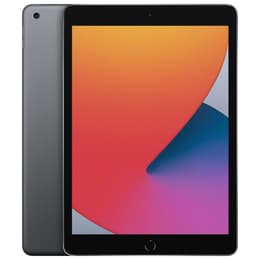
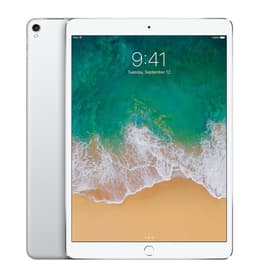
The iPad 2020, released in September 2020, and the iPad Pro 2017, launched in June 2017, represent different tiers within Apple's tablet lineup. While both devices offer a versatile tablet experience, the iPad Pro 2017 was designed as a premium device with advanced features for its time, whereas the iPad 2020 serves as a more accessible option. Key differentiators lie in their display technology, processing power, and camera capabilities, influencing their suitability for various user needs.
Color
Storage
When considering the long-term usability of these tablets, their release timelines and Apple's software support policies are important factors. The iPad 2020, being a newer device, generally benefits from a longer expected period of major iPadOS updates compared to its Pro counterpart.
Release Year
Last OS Compatibility
OS
Maximum Operating System supported
The processing power and internal configurations of these two iPads contribute to their overall responsiveness and ability to handle various tasks, from everyday browsing to more demanding applications.
Processor
The display is a primary interaction point for any tablet, and these two models offer distinct visual experiences that cater to different user expectations.
Resolution
True Tone
Pro-Motion
Screen type
Pixel density
Brightness
Speakers
For many users, a tablet's camera system is important for document scanning, video calls, and casual photography. There are notable differences in the camera capabilities of these two iPads.
Beyond the core specifications, several practical elements contribute to the overall user experience and connectivity of these two iPad models.
Weight
Width
Height
Depth
Screen size (inches)
Network
Carrier compatibility
Wi-Fi technology
Bluetooth Version
Face ID
Touch ID
Connector
The iPad 2020 and iPad Pro 2017 cater to different user priorities, reflecting their original market positioning. User sentiment often highlights the iPad Pro 2017's display as a significant advantage, with its ProMotion 120Hz refresh rate and laminated screen providing a smoother and more premium visual and Apple Pencil experience. Many users appreciate its more capable camera system and four-speaker audio for media consumption. However, concerns sometimes arise regarding its older processor and the impending end of major iPadOS updates, which could limit its future compatibility with new software features.
Conversely, the iPad 2020 is often praised for its more recent processor, the A12 Bionic, which ensures solid performance for current applications and a longer runway for software support. While its display and camera are less advanced than the Pro model, they are generally considered sufficient for everyday tasks, web browsing, and casual use. Users looking for a device that will receive major software updates for a longer period tend to favor the iPad 2020.
Users prioritizing a highly fluid display, superior audio, and better camera capabilities for creative work or media consumption may find the iPad Pro 2017 better suited to their needs, provided they are comfortable with its approaching software update limitations. Those who value extended software longevity, a more current processor for general use, and a reliable tablet experience for productivity and learning may lean towards the iPad 2020. Both devices offer a quality-assured refurbished option, providing an eco-friendly alternative for consumers.