Compare models
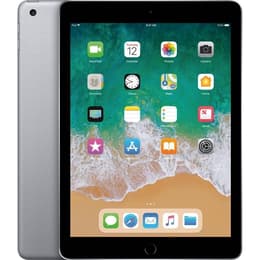
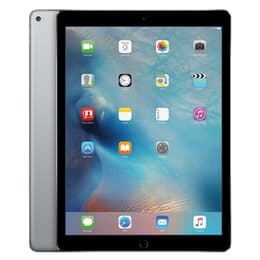
iPad 5 (2017, A9 series) vs iPad Pro (2015, A9 series)
- 1-year warranty
- Free standard shipping
- Free 30-day returns
Differences at a glance
The iPad 5 (2017) and the iPad Pro (2015) represent two different approaches to Apple's tablet lineup from mid-decade development cycles. While the iPad 5 focused on delivering a standard tablet experience for everyday household tasks, the iPad Pro launched as a larger-format device targeted at creative workflows and media consumption. Both run on iterations of Apple's tablet operating system software, though their hardware design philosophies cater to distinct daily use patterns.
Available Models
Color
Storage
Scores
Durability
Device longevity and software updates vary due to their release timeline difference, affecting how long each model remains compatible with modern apps.
- Release Timeline: The iPad Pro debuted in late 2015, whereas the iPad 5 arrived in early 2017, giving the latter a slight chronological advantage in support lifespan.
- Software Support: Both models have concluded their major operating system update cycles, meaning they run fixed versions of the platform with security updates.
- Expected Lifespan: Users can expect stable performance for basic tasks like web browsing and video streaming, though hardware age limits the installation of resource-intensive modern applications.
Release Year
2017
2015
Last OS Compatibility
No
No
OS
iPadOS
iPadOS
Maximum Operating System supported
iPadOS 16
iPadOS 16
Performance
Daily responsiveness and multitasking behavior differ noticeably based on the internal hardware configuration and memory capacity of each tablet.
- Memory and Multitasking: The iPad Pro includes double the RAM capacity of the iPad 5, allowing for smoother handling of split-screen apps and browser tabs without frequent reloading.
- App Responsiveness: Both devices handle standard web navigation, email, and streaming smoothly, though demanding games or heavy editing software run with more consistent frame rates on the Pro model.
- Battery Behavior: Battery endurance depends heavily on device history, but both tablets generally sustain standard daily use for casual reading and media playback before requiring a recharge.
Processor
Apple A9
Apple A9X
Screen quality
Display characteristics shape how media consumption and reading tasks appear during daily use.
- Panel Size and Resolution: The iPad 5 features a standard 9.7-inch display, while the original iPad Pro offers an expansive 12.9-inch screen with high resolution, providing significantly more workspace.
- Viewing Clarity: The iPad Pro includes an anti-reflective coating and wider color reproduction, reducing glare under indoor lighting compared to the standard panel on the iPad 5.
- Brightness Levels: Both screens reach adequate indoor brightness levels for comfortable reading and video viewing, though bright outdoor sunlight creates visibility challenges for both models.
Resolution
2048 x 1536
2048 x 2732
True Tone
No
No
Pro-Motion
No
No
Screen type
Retina display
Retina display
Pixel density
264ppp
264ppp
Brightness
500 nits brightness
400 nits brightness
Sound quality
Speakers
Stereo speakers
Four speaker audio
Audiovisual
Media capture and audio output capabilities reflect the divergent design targets of a standard consumer tablet versus a larger media device.
- Camera Systems: Both tablets feature basic rear and front-facing cameras suitable for casual snapshot capture and video calls rather than primary photography.
- Audio Output: The iPad Pro features a four-speaker audio setup that dynamically adjusts sound based on device orientation, offering a more immersive media experience than the dual-speaker setup on the iPad 5.
- Microphone Performance: Integrated microphones on both models capture clear voice audio for virtual meetings and basic voice notes.
Miscellaneous
Physical dimensions, weight, and connectivity options influence portability and accessory compatibility.
- Portability and Handling: The iPad 5 is lighter and more compact, making it easier to hold for extended reading sessions, whereas the larger iPad Pro is better suited for stationary desk or lap use.
- Accessory Support: The iPad Pro includes a physical connector interface for attaching specialized keyboards, while the iPad 5 relies strictly on standard wireless accessories.
- Connectivity: Both models offer Wi-Fi configurations alongside optional cellular versions for mobile data access on the go.
Weight
16 oz
25 oz
Width
6.6 in
8.6 in
Height
9.4 in
12 in
Depth
0.2 in
0.2 in
Screen size (inches)
9.7
12.9
Network
Wi-Fi
Wi-Fi
Carrier compatibility
Without SIM Port
Without SIM Port
Wi-Fi technology
Wi-Fi 6 802.11a/b/g/n/ac
Bluetooth Version
Bluetooth 4.2
Bluetooth 4.2
Face ID
No
No
Touch ID
Yes
Yes
Connector
Lightning connector
Lightning connector
What the community thinks
Users evaluating these models often note that the iPad 5 provides a reliable, lightweight experience for casual reading, streaming, and household organization. At the same time, owners of the iPad Pro frequently praise its expansive screen estate and robust audio output, though some mention that its larger physical footprint and heavier weight make it less convenient for handheld use. Users prioritizing portability and simple daily tasks may prefer the iPad 5, while users seeking a larger canvas for sketching, reading documents, or watching movies will lean toward the iPad Pro. Selecting a quality-assured refurbished option through Back Market provides an eco-friendly alternative for acquiring these tested devices with verified functionality. Ultimately, matching either tablet to specific daily routines ensures a satisfying long-term user experience without unnecessary complexity.