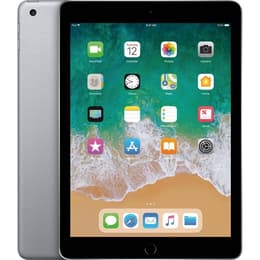
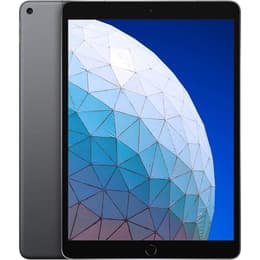
iPad 5 (2017, A9 series) vs iPad Air 3 (2019, A12 series)

iPad 5 (2017, A9 series)
Starting at

Refurbished price:$60.32

Versus $329.00 new

See options
iPad Air 3 (2019, A12 series)
Starting at

Refurbished price:$134.00

Versus $499.00 new

See options

Ratings

The iPad 2017 (5th generation) and the iPad Air 2019 (3rd generation) are two distinct tablet models from Apple, released two years apart. While both operate on Apple's iPadOS, the iPad Air 2019 offers a more advanced internal processor and a refined display, providing a different user experience compared to its predecessor. These differences cater to varying user needs, from casual browsing to more demanding creative tasks.

Scores

Durability

When evaluating the longevity of a tablet, factors such as its release date, software support, and physical design are important considerations.

  • Release Timeline: The iPad 2017 was released in March 2017, making it an older device compared to the iPad Air 2019, which launched in March 2019. This two-year difference directly impacts their remaining software support lifespan.
  • Software Longevity: The iPad 2017 supports up to iPadOS 16 and does not receive iPadOS 17 or later updates, with security updates expected to cease around September 2025. In contrast, the iPad Air 2019, with its newer processor, supports current iPadOS versions and is expected to receive major software updates for a longer period, extending its functional life.
  • Repairability: The iPad 2017's display is not fully laminated, which can sometimes make screen repairs less complex. The iPad Air 2019 features a fully laminated display, which, while offering a better visual experience, can make display repairs more intricate. Both models generally receive low repairability scores due to the extensive use of adhesive.

Release Year

2017

2019

Last OS Compatibility

No

Yes

OS

iPadOS

iPadOS

Maximum Operating System supported

iPadOS 16

iPadOS 18

Performance

The performance of these tablets is largely determined by their internal components, influencing how smoothly they handle various tasks.

  • Processor Capabilities: The iPad 2017 is equipped with a processor that handles everyday tasks like web browsing, media consumption, and light gaming smoothly. The iPad Air 2019, however, features a more advanced processor, providing a significant boost in performance for demanding applications and multitasking.
  • System Responsiveness: Users will notice a more fluid and responsive experience on the iPad Air 2019, especially when switching between applications or running graphically intensive games. The iPad 2017 remains capable for general use but may show signs of slowdown with newer, more resource-intensive apps.
  • Battery Behavior: Both devices are designed to offer up to 10 hours of web browsing on Wi-Fi. However, the iPad Air 2019 often demonstrates slightly better endurance in real-world usage, particularly during video streaming or demanding tasks.

Memory (GB)

2 GB

3 GB

Processor

Apple A9

Apple A12 Bionic

Screen quality

The display is a primary interaction point, and there are notable differences in the screen technology and viewing experience between these two iPads.

  • Display Technology: Both tablets feature Retina IPS LCD displays, offering sharp visuals and good color reproduction. The iPad Air 2019, however, includes True Tone technology and supports a wider P3 color gamut, resulting in more accurate and vibrant colors that adapt to ambient light. The iPad 2017's display is not fully laminated and lacks an anti-reflective coating.
  • Resolution and Clarity: The iPad 2017 has a 9.7-inch display with a resolution of 2048 x 1536 pixels (264 ppi). The iPad Air 2019 features a larger 10.5-inch display with a resolution of 2224 x 1668 pixels (264 ppi), offering a slightly larger viewing area while maintaining similar pixel density.
  • Brightness and Refresh Rate: The iPad Air 2019 generally offers higher peak brightness, improving visibility in bright environments. Both models feature a standard 60Hz refresh rate, which provides a smooth experience for most content, though the iPad Air 2019's more powerful processor contributes to overall smoother animations.

Resolution

2048 x 1536

2224 x 1668

True Tone

No

Yes

Pro-Motion

No

No

Screen type

Retina display

Retina display

Pixel density

264ppp

264ppp

Brightness

500 nits brightness

500 nits brightness

Sound quality

Speakers

Stereo speakers

Stereo speakers

Audiovisual

The camera systems on these tablets are designed for everyday use, with some distinctions in their capabilities.

  • Camera System Capabilities: The iPad 2017 features an 8-megapixel rear camera and a 1.2-megapixel front-facing camera. The iPad Air 2019 also has an 8-megapixel rear camera, but significantly upgrades the front-facing camera to 7-megapixels.
  • Photography Performance: Both devices' 8-megapixel rear cameras are capable of taking decent photos in good lighting conditions and recording 1080p HD video. The iPad Air 2019's improved front camera enhances video calls and selfies with greater detail. Neither tablet is designed to replace a dedicated camera for professional photography.
  • Audio Experience: Both tablets feature stereo speakers, which provide a satisfactory audio experience for media consumption. The iPad Air 2019's audio output is generally considered robust for a tablet, though it does not match the quad-speaker setup found in some Pro models.

Miscellaneous

Beyond core performance and display, several other features contribute to the overall user experience and utility of these tablets.

  • Connectivity Options: Both iPads support Wi-Fi (802.11ac) and offer optional cellular models. The iPad Air 2019 features Bluetooth 5.0, providing more stable and efficient connections with accessories compared to the iPad 2017's Bluetooth 4.2. The iPad Air 2019 also supports Gigabit-class LTE in its cellular variant, offering faster mobile data speeds.
  • Port Types and Sensors: Both devices retain the Lightning port for charging and data transfer, as well as a 3.5mm headphone jack. Both also include Touch ID for secure authentication.
  • Weight and Dimensions: The iPad 2017 has a 9.7-inch display and measures 240 x 169.5 x 7.5 mm, weighing around 469g (Wi-Fi model). The iPad Air 2019 is slightly larger with a 10.5-inch display, measuring 250.6 x 174.1 x 6.1 mm and weighing approximately 456g (Wi-Fi model), making it thinner and slightly lighter despite the larger screen.

Weight

16 oz

16 oz

Width

6.6 in

7 in

Height

9.4 in

9.7 in

Depth

0.2 in

0.2 in

Screen size (inches)

9.7

10.5

Network

Wi-Fi

Wi-Fi

Carrier compatibility

Without SIM Port

Without SIM Port

Wi-Fi technology

Wi-Fi 6 802.11a/b/g/n/ac

Wi-Fi 6 802.11a/b/g/n/ac

Bluetooth Version

Bluetooth 4.2

Bluetooth 5.0

Face ID

No

No

Touch ID

Yes

Yes

Connector

Lightning connector

Lightning connector

Users often praise the iPad 2017 for its solid performance for everyday tasks and its continued software support for a considerable period after its release. Common criticisms, particularly in recent years, revolve around its aging processor struggling with more demanding applications and its display lacking some of the advancements found in newer models. Users have also reported common issues such as battery draining quickly, screen freezing, and apps crashing, which are often related to software or aging hardware.

The iPad Air 2019 is frequently lauded for its significantly improved performance, vibrant display with True Tone, and enhanced front camera, making it a capable device for productivity and media consumption. Some users have noted that while its dual speakers are good, they don't offer the immersive experience of quad-speaker setups. Early models of the iPad Air 2019 also had a known issue with blank screens, which Apple addressed with a repair program.

Users prioritizing a more modern experience with better performance for multitasking, creative work, and a longer runway for software updates will find the iPad Air 2019 well-suited to their needs. Its larger, more advanced display and improved front camera also make it a better choice for video calls and media. Conversely, users primarily needing a tablet for basic tasks like web browsing, email, and light entertainment, and who do not require the latest performance, may find the iPad 2017 sufficient. Both devices are available as quality-assured refurbished options, providing an eco-friendly alternative for consumers.


See all articles

Our recent comparisons