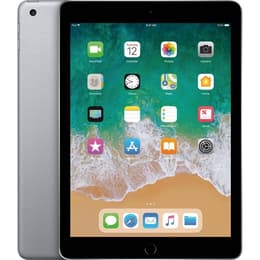
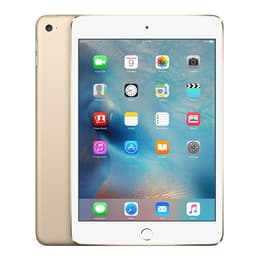
iPad 5 (2017, A9 series) vs iPad mini 3 (2015, A8 series)

iPad 5 (2017, A9 series)
Starting at

Refurbished price:$60.32

Versus $329.00 new

See options
iPad mini 3 (2015, A8 series)
Starting at

Refurbished price:$77.00

Versus $399.00 new

See options

Ratings

The iPad 2017 (5th generation), released in March 2017, and the iPad Mini 4, released in September 2015, are two distinct tablet offerings from Apple. While both run on Apple's iPadOS, they differ primarily in their physical size, processing power, and display characteristics. The iPad 2017 offers a larger screen and a more recent processor, while the iPad Mini 4 prioritizes portability with its compact design.

Scores

Durability

The iPad 2017, being released two years after the iPad Mini 4, benefits from a slightly longer software support window. The iPad 2017 received updates up to iPadOS 16, while the iPad Mini 4 concluded its major OS updates with iPadOS 15. This means the iPad 2017 will continue to receive security updates and app compatibility for a longer period, extending its practical lifespan for users who rely on the latest software features. Both devices feature aluminum unibody constructions, offering a similar level of physical resilience to everyday use. Repairability for both models is generally considered moderate, with components like the battery and screen being replaceable by skilled technicians. Users seeking the longest possible software longevity from their device will find the iPad 2017 offers a slight advantage.

Release Year

2017

2015

Last OS Compatibility

No

No

OS

iPadOS

iPadOS

Maximum Operating System supported

iPadOS 16

iPadOS 15

Performance

The iPad 2017 and iPad Mini 4 offer different levels of processing capability, impacting their responsiveness in various tasks.

  • Processing Power: The iPad 2017 features a more capable processor, allowing for smoother operation when running demanding applications, editing photos, or engaging in graphically intensive games. The iPad Mini 4, with its earlier generation processor, handles everyday tasks like web browsing and video streaming competently but may show signs of slowdown with more intensive use or multitasking.
  • Multitasking: Both devices come with 2GB of RAM, which supports basic multitasking. However, the iPad 2017's stronger processor allows it to manage multiple open applications more efficiently, leading to a more fluid user experience when switching between apps.
  • Storage Options: The iPad 2017 was available with 32GB or 128GB of internal storage, while the iPad Mini 4 offered 16GB, 32GB, 64GB, and 128GB options. Users with extensive media libraries or numerous applications will need to consider the higher storage configurations for either model.

Memory (GB)

2 GB

2 GB

Processor

Apple A9

Apple A8

Screen quality

The visual experience on these two iPads is shaped by their display technology and physical dimensions.

  • Display Technology: Both tablets feature Retina IPS LCD displays, providing clear images and good color reproduction. The iPad 2017 has a 9.7-inch screen, while the iPad Mini 4 features a more compact 7.9-inch display.
  • Resolution and Clarity: Both displays offer a resolution of 2048 x 1536 pixels. Due to its smaller screen size, the iPad Mini 4 achieves a higher pixel density (326 ppi) compared to the iPad 2017 (264 ppi), resulting in slightly sharper text and images on the Mini 4 when viewed up close.
  • Brightness and Viewing: Both screens offer adequate brightness for indoor use. For outdoor viewing, their performance is comparable, though direct sunlight can still impact visibility. Neither device features a high refresh rate display, offering a standard 60Hz refresh for smooth scrolling and video playback.

Resolution

2048 x 1536

2048 x 1536

True Tone

No

No

Pro-Motion

No

No

Screen type

Retina display

Retina display

Pixel density

264ppp

326ppp

Brightness

500 nits brightness

400 nits brightness

Sound quality

Speakers

Stereo speakers

Stereo speakers

Audiovisual

Both the iPad 2017 and iPad Mini 4 share similar specifications for their camera systems and audio output.

  • Camera System: Both devices are equipped with an 8-megapixel rear camera with autofocus and a 1.2-megapixel front-facing camera. They are suitable for casual photography, document scanning, and video calls in well-lit conditions. Neither excels in low-light environments, where image quality can degrade.
  • Video Recording: Both iPads can record video at 1080p resolution with their rear cameras, providing clear footage for everyday use. The front cameras are capable of 720p video recording, sufficient for video conferencing.
  • Audio Experience: Both models feature stereo speakers, delivering clear audio for media consumption and video calls. The sound quality is generally good for a tablet, providing an immersive experience for casual listening without external speakers. Microphone quality is also comparable, offering clear voice capture for calls and recordings.

Miscellaneous

Practical considerations beyond core performance and display include connectivity, physical design, and additional features.

  • Connectivity: Both the iPad 2017 and iPad Mini 4 support Wi-Fi 802.11ac and Bluetooth 4.2, ensuring reliable wireless connections for internet access and peripheral devices. Cellular models were also available for both, offering mobile data connectivity.
  • Physical Design: The iPad 2017 is larger and heavier, measuring 240 x 169.5 x 7.5 mm and weighing around 469 grams (Wi-Fi model). The iPad Mini 4 is significantly more compact and lighter at 203.2 x 134.8 x 6.1 mm and approximately 299 grams (Wi-Fi model), making it easier to hold with one hand and more portable.
  • Ports and Sensors: Both devices feature a Lightning port for charging and data transfer, along with a 3.5mm headphone jack. They also include a Touch ID fingerprint sensor integrated into the home button for secure authentication.

Weight

16 oz

10 oz

Width

6.6 in

5.2 in

Height

9.4 in

8 in

Depth

0.2 in

0.2 in

Screen size (inches)

9.7

7.9

Network

Wi-Fi

Wi-Fi

Carrier compatibility

Without SIM Port

Without SIM Port

Wi-Fi technology

Wi-Fi 6 802.11a/b/g/n/ac

Wi-Fi 6 802.11a/b/g/n/ac

Bluetooth Version

Bluetooth 4.2

Bluetooth 4.2

Face ID

No

No

Touch ID

Yes

Yes

Connector

Lightning connector

Lightning connector

The iPad 2017 and iPad Mini 4 cater to slightly different user preferences, primarily due to their size and processing capabilities. Users often praise the iPad 2017 for its larger screen, which is well-suited for media consumption, light productivity, and educational tasks. Its more recent processor also receives positive remarks for handling applications more smoothly compared to older models. Some users, however, note its slightly heavier build compared to more modern tablets. The iPad Mini 4 is frequently lauded for its exceptional portability and compact form factor, making it ideal for reading, quick note-taking, and use on the go. Criticisms sometimes point to its smaller screen for extended productivity and its older processor showing its age with demanding applications.

Users prioritizing a larger display for immersive viewing and a slightly more capable processor for general use may prefer the iPad 2017. This model is well-suited for students, home users, or those who primarily use their tablet at a desk or table. Conversely, individuals who value extreme portability, a lighter device, and a higher pixel density for reading will find the iPad Mini 4 to be a strong contender. It is an excellent choice for travelers, commuters, or anyone needing a highly mobile companion. Both devices, when acquired as a quality-assured refurbished option, offer a sustainable choice for extending the life of electronics.
See all articles

Our recent comparisons