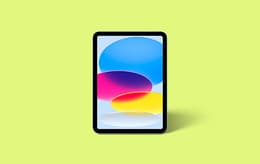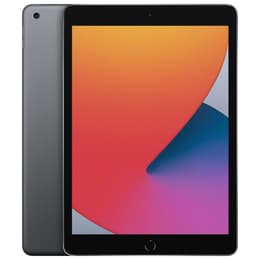
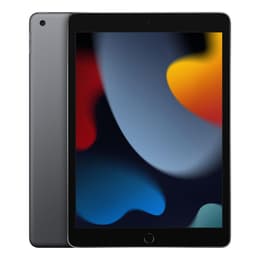
iPad 8 (2020, A12 series) vs iPad 9 (2021, A13 series)

iPad 8 (2020, A12 series)
Starting at

Refurbished price:$113.00

Versus $329.00 new

See options
iPad 9 (2021, A13 series)
Starting at

Refurbished price:$164.84

Versus $329.00 new

See options

Ratings

The iPad 2020, also known as the 8th generation iPad, and the iPad 2021, or 9th generation iPad, represent Apple's entry-level tablet offerings from consecutive years. While they maintain a similar design aesthetic, the 9th generation model introduces a more capable processor, an enhanced front-facing camera, and an improved display technology. Both devices operate on Apple's iPadOS, providing a consistent software experience across the ecosystem.

Scores

Durability

These two iPad models, released in September 2020 and September 2021 respectively, share a common design and build, influencing their physical durability and repairability. The practical lifespan of a tablet is often tied to its software support and the ability to run current applications.

  • Release Timeline: The iPad 8th generation was released in September 2020, while the iPad 9th generation followed in September 2021. This one-year difference means the 9th generation will likely receive software updates for a longer period.
  • OS Support Duration: Apple typically provides major iPadOS updates for approximately 5 to 7 years from a device's initial release, with security patches extending beyond that. The iPad 9th generation is expected to receive regular iOS software updates until around 2026, with security patches continuing until 2028.
  • Practical Lifespan: Both models are built with durable aluminum bodies. While the 8th generation is still functional for many tasks, the 9th generation's newer processor provides a slight advantage in future-proofing for demanding applications. Users generally find that iPads continue to function for basic tasks even after major OS updates cease.

Release Year

2020

2021

Last OS Compatibility

Yes

Yes

OS

iPadOS

iPadOS

Maximum Operating System supported

iPadOS 18

iPadOS 18

Performance

Performance is a key differentiator between these two generations, primarily due to their internal processing capabilities and available storage configurations. Both are designed to handle everyday tasks efficiently, but the newer model offers a noticeable boost.

  • Processor Capabilities: The iPad 8th generation is powered by the A12 Bionic chip, while the iPad 9th generation features the A13 Bionic chip. The A13 Bionic offers about a 20% increase in CPU, GPU, and Neural Engine performance compared to its predecessor, leading to smoother operation.
  • System Responsiveness: For daily activities like web browsing, email, and streaming, both iPads offer a responsive experience. However, the iPad 9th generation handles demanding applications and multitasking with slightly more fluidity. Some users of the 9th generation have noted occasional app reloading when switching between multiple applications, suggesting that its 3GB of RAM can be a limiting factor for heavy multitasking.
  • Storage Options: The iPad 8th generation was available with 32GB or 128GB of internal storage. The iPad 9th generation doubles the base storage, offering 64GB and 256GB configurations, providing more room for apps, photos, and documents.
  • Battery Behavior: Both models are rated for up to 10 hours of web surfing on Wi-Fi or video playback. Real-world usage reports for both devices generally align with these claims for light to moderate use, though heavy usage can reduce this.

Memory (GB)

3 GB

3 GB

Processor

Apple A12 Bionic

Apple A13 Bionic

Screen quality

The display experience on both iPads is largely consistent, featuring the same size and resolution, but the 9th generation introduces a notable enhancement for viewing comfort.

  • Display Technology and Clarity: Both the iPad 8th and 9th generations feature a 10.2-inch Retina IPS LCD display with a resolution of 2160 by 1620 pixels, resulting in a pixel density of 264 pixels per inch. This provides clear and sharp visuals for general use, streaming, and reading.
  • Brightness and Color: Both displays offer a typical brightness of 500 nits, ensuring good visibility indoors. The primary difference is the inclusion of True Tone technology in the iPad 9th generation, which automatically adjusts the display's color temperature to match the ambient light, providing a more natural viewing experience. The 8th generation lacks this feature.
  • Refresh Rate: Both models have a standard 60Hz refresh rate, which is suitable for most tasks but not as fluid as higher refresh rate displays found on more premium tablets.

Resolution

2160 x 1620

2160 x 1620

True Tone

No

Yes

Pro-Motion

No

No

Screen type

Retina display

Retina display

Pixel density

264ppp

264ppp

Brightness

500 nits brightness

500 nits brightness

Sound quality

Speakers

Stereo speakers

Stereo speakers

Audiovisual

While tablets are not typically primary photography devices, their cameras are important for video calls and casual captures. The 9th generation brings a significant upgrade to the front-facing camera.

  • Rear Camera: Both iPads are equipped with an 8-megapixel wide-angle rear camera with an f/2.4 aperture. This camera is suitable for scanning documents and occasional photos in good lighting conditions, but it lacks advanced features like optical zoom or night mode.
  • Front Camera and Video Calls: The iPad 8th generation features a 1.2-megapixel FaceTime HD camera capable of 720p HD video recording. The iPad 9th generation significantly upgrades this to a 12-megapixel Ultra Wide front camera with 1080p HD video recording and the Center Stage feature. Center Stage automatically keeps the user in the frame during video calls, which is particularly useful for virtual meetings and family chats.
  • Audio Quality: Both models feature stereo speakers, which are adequate for media consumption. The microphone quality is generally good for calls and voice recordings.

Miscellaneous

Beyond core performance and display, several practical aspects contribute to the overall user experience, including connectivity, physical design, and input methods.

  • Connectivity: Both the iPad 8th and 9th generations support Wi-Fi 5 (802.11ac) with MIMO and Bluetooth 4.2. Cellular models are available for both, offering LTE connectivity for internet access away from Wi-Fi.
  • Ports and Sensors: Both devices retain the Lightning connector for charging and data transfer, a 3.5mm headphone jack, and a Smart Connector for accessories like the Smart Keyboard. They both include Touch ID for secure authentication via the Home button.
  • Physical Characteristics: The dimensions of both iPads are nearly identical, measuring 250.6 mm in height, 174.1 mm in width, and 7.5 mm in depth. The Wi-Fi only iPad 9th generation is slightly lighter at 487 grams compared to the 8th generation's 490 grams. Both support the first-generation Apple Pencil.

Weight

17 oz

16 oz

Width

6.8 in

7 in

Height

9.8 in

9.7 in

Depth

0.2 in

0.2 in

Screen size (inches)

10.2

10.2

Network

Wi-Fi

Wi-Fi

Carrier compatibility

Without SIM Port

Without SIM Port

Wi-Fi technology

Wi-Fi 6 802.11a/b/g/n/ac

Wi-Fi 6 802.11a/b/g/n/ac

Bluetooth Version

Bluetooth 4.2

Bluetooth 4.2

Face ID

No

No

Touch ID

Yes

Yes

Connector

Lightning connector

Lightning connector

The iPad 8th generation and 9th generation offer similar core experiences, making the choice dependent on specific user priorities. The 8th generation is often praised for its solid performance for everyday tasks and its enduring design. However, some users have criticized its older front camera and the base storage option.

The iPad 9th generation builds upon its predecessor with a more powerful processor, a significantly improved front-facing camera with Center Stage, and the addition of True Tone display technology. Users frequently commend its enhanced performance for multitasking and video calls, as well as the increased base storage. Criticisms often point to its unchanged exterior design, including the prominent bezels and the continued use of the Lightning port, which some perceive as dated.

Users prioritizing a capable tablet for general use, web browsing, streaming, and light productivity will find either device suitable. Those who frequently engage in video calls, require more storage out of the box, or appreciate a display that adapts to ambient lighting may find the iPad 9th generation better suited to their needs. For individuals seeking a device that offers a balance of functionality and a slightly longer software support window, the 9th generation presents a compelling option. Both models, when considered as quality-assured refurbished options, provide an eco-friendly alternative for accessing the iPad ecosystem.
See all articles

Our recent comparisons