iPads
Compare models
Differences at a glance
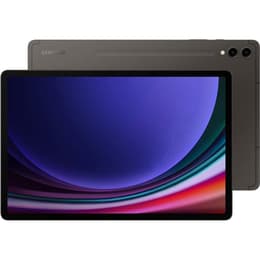
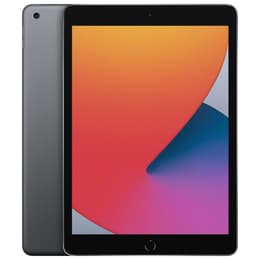
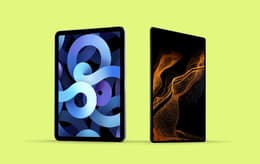
The Samsung Galaxy Tab S9 Plus, released in August 2023, and the Apple iPad 8th Generation, launched in September 2020, represent distinct approaches to the tablet experience. While both devices offer portable computing, they cater to different user ecosystems and priorities. The Galaxy Tab S9 Plus operates on Android, emphasizing a larger, more vibrant display and advanced multitasking capabilities, whereas the iPad 8th Generation runs on iPadOS, focusing on a streamlined user experience and a vast app library. These differences extend to their core specifications and design philosophies.
Color
Storage
The release timelines of these two tablets significantly impact their expected software longevity and overall practical lifespan. The Galaxy Tab S9 Plus, launched in August 2023, benefits from Samsung's commitment to providing several years of major Android updates and security patches. The iPad 8th Generation, released in September 2020, has already received multiple iPadOS updates and is expected to continue receiving security updates for a considerable period, though its window for major OS upgrades may be shorter than the newer Tab S9 Plus.
Release Year
Last OS Compatibility
OS
Performance is a key differentiator, with the newer Galaxy Tab S9 Plus offering a more powerful experience compared to the iPad 8th Generation. The Galaxy Tab S9 Plus is equipped with a current-generation processor, providing substantial power for demanding applications, intensive multitasking, and graphic-heavy gaming.
The display is the primary interface for interaction, and differences in screen technology, size, and resolution significantly affect the viewing experience between these two tablets. The Galaxy Tab S9 Plus features a larger, more advanced display compared to the iPad 8th Generation.
Resolution
Screen type
Pixel density
While tablets are not typically primary photography devices, their camera systems are important for video calls, document scanning, and casual photography. The Galaxy Tab S9 Plus offers a more versatile camera setup than the iPad 8th Generation.
Beyond core performance and display, several practical elements contribute to the overall user experience and device utility. These include connectivity, port types, biometric security, and physical design.
Weight
Screen size (inches)
Network
Carrier compatibility
The Galaxy Tab S9 Plus and the iPad 8th Generation cater to different user needs and preferences, largely influenced by their respective ecosystems and hardware capabilities. Users often praise the Galaxy Tab S9 Plus for its stunning Dynamic AMOLED 2X display, powerful performance for demanding tasks, and the included S Pen, which enhances productivity and creativity. Its DeX mode is also frequently highlighted for providing a desktop-like experience, appealing to those who seek a laptop replacement. Some users, however, might find the Android tablet app ecosystem less optimized for tablets compared to iPadOS.
The iPad 8th Generation is generally lauded for its reliable performance for everyday tasks, the robust and extensive app library optimized for iPadOS, and its ease of use within the Apple ecosystem. Criticisms sometimes point to its older design, the standard 60Hz LCD display, and the limited base storage without expansion options.
Users prioritizing a large, vibrant display, high-end performance for intensive applications, and the flexibility of the Android operating system with an included stylus will find the Galaxy Tab S9 Plus well-suited to their needs. This device is ideal for power users, digital artists, and those who appreciate advanced multitasking features. Conversely, users who value a consistent and user-friendly experience, a vast selection of tablet-optimized applications, and seamless integration within the Apple ecosystem may lean toward the iPad 8th Generation. It remains a solid choice for students, casual users, and those primarily focused on content consumption and light productivity.
For those considering either device, exploring quality-assured refurbished options can provide an eco-friendly alternative, offering access to these capable tablets while extending their lifecycle.