iPad 10 (2022, A14 series) vs iPad Pro (2020, A12 series)

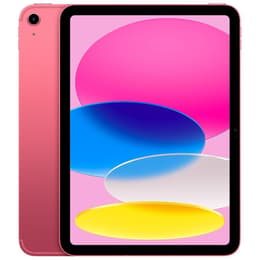
iPad 10 (2022, A14 series)
Starting at

Refurbished price:$259.00

Versus $349.00 new

See options
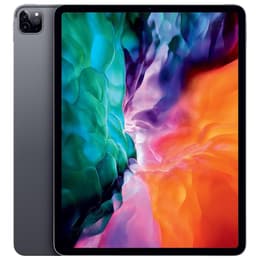
iPad Pro (2020, A12 series)
Starting at

Refurbished price:$371.00

Versus $799.00 new

See options

Ratings

The iPad 2022, also known as the 10th generation iPad, was released in October 2022, featuring a refreshed design and the A14 Bionic chip. In contrast, the iPad Pro 2020, available in 11-inch and 12.9-inch models, launched in March 2020 and is powered by the A12Z Bionic chip. While both devices operate on Apple's iPadOS, key distinctions lie in their display technology, processing power, and accessory compatibility, catering to different user needs.

Scores

Durability

When considering the long-term usability of these tablets, their release timelines and software support are important factors. The iPad 2022, being a newer device, is expected to receive iPadOS updates for a longer duration compared to the iPad Pro 2020. Both devices generally offer robust build quality typical of Apple products, contributing to a practical lifespan that extends several years beyond their release.

  • Software Longevity: The iPad 2022 will likely benefit from an additional year or two of major iPadOS updates due to its more recent launch, ensuring access to the latest features and security enhancements for a longer period.
  • Build Quality: Both models feature durable aluminum enclosures and are designed for sustained use, though the iPad Pro 2020's construction was considered premium at its release.
  • Repairability: While specific repairability scores can vary, both devices are designed with integrated components, meaning repairs often involve specialized tools and expertise.

Release Year

2022

2020

Last OS Compatibility

Yes

Yes

OS

iPadOS

iPadOS

Maximum Operating System supported

iPadOS 18

iPadOS 18

Performance

The performance of these two iPads is influenced by their respective processors and memory configurations, impacting how they handle various tasks from everyday browsing to demanding applications. The iPad 2022 is equipped with a newer generation processor, while the iPad Pro 2020 features a chip designed for professional workloads with more graphics capability and additional RAM.

  • Processing Power: The iPad 2022's processor handles daily applications, web browsing, and moderate gaming with smooth responsiveness. The iPad Pro 2020's processor, while older, was a high-end chip for its time, providing strong performance for intensive tasks like video editing and advanced gaming, partly due to its enhanced graphics capabilities.
  • Multitasking Capabilities: The iPad Pro 2020 typically includes 6GB of RAM, which allows for more applications to run simultaneously and handle larger files without slowdowns, offering a noticeable advantage for heavy multitaskers compared to the iPad 2022's 4GB of RAM.
  • Storage Options: The iPad 2022 is available with 64GB or 256GB of internal storage, suitable for general use. The iPad Pro 2020 offers a wider range of storage capacities, starting from 128GB and going up to 1TB, catering to users with extensive storage needs for large projects and media.
  • Battery Behavior: Both devices are rated for approximately 10 hours of web surfing or video playback over Wi-Fi. Real-world usage for the iPad 2022 generally aligns with this, providing a full day of moderate use. For the iPad Pro 2020, user experiences suggest similar battery longevity when new, though some reports indicate potential degradation over time with heavy use.

Memory (GB)

4 GB

6 GB

Processor

Apple A14 Bionic

Apple A12Z Bionic

Screen quality

The visual experience on a tablet is largely defined by its display, and here, these two iPads present distinct characteristics that cater to different preferences and uses. Both feature Liquid Retina IPS LCD panels, but the Pro model introduces advanced display technologies.

  • Display Technology and Smoothness: The iPad 2022 features a 10.9-inch Liquid Retina IPS LCD display with a standard 60Hz refresh rate, providing clear and vibrant visuals for everyday tasks. The iPad Pro 2020, available in 11-inch and 12.9-inch sizes, boasts a Liquid Retina IPS LCD display with ProMotion technology, offering an adaptive refresh rate up to 120Hz. This higher refresh rate results in noticeably smoother scrolling and more fluid motion, particularly beneficial for gaming and creative work.
  • Brightness and Color Accuracy: The iPad 2022 offers a brightness of 500 nits, which is sufficient for most indoor and outdoor conditions. The iPad Pro 2020 provides a higher peak brightness of 600 nits and supports a wider P3 color gamut, resulting in more vivid and accurate colors, which is advantageous for professional photo and video editing.
  • Resolution and Clarity: Both tablets offer high-resolution displays with similar pixel densities, ensuring sharp text and detailed images. The iPad 2022 has a 2360x1640 pixel resolution, while the 11-inch iPad Pro 2020 has 2388x1668 pixels and the 12.9-inch model has 2732x2048 pixels.

Resolution

2360 x 1640

2388 x 1668

True Tone

Yes

Yes

Pro-Motion

No

Yes

Screen type

Liquid Retina display

Liquid Retina display

Pixel density

264ppp

264ppp

Brightness

500 nits brightness

600 nits brightness max

Sound quality

Speakers

Stereo speakers

Four speaker audio

Audiovisual

The camera systems on these iPads serve different primary functions, with the iPad Pro 2020 emphasizing advanced capabilities for augmented reality and a more comprehensive rear setup, while the iPad 2022 optimizes its front camera for video conferencing.

  • Rear Camera System: The iPad 2022 features a single 12MP Wide rear camera capable of 4K video recording. The iPad Pro 2020 includes a dual-camera system with a 12MP Wide and a 10MP Ultra Wide lens, also supporting 4K video recording. A notable addition to the iPad Pro 2020 is a LiDAR Scanner, which enhances augmented reality experiences and improves depth sensing.
  • Front Camera and Video Calls: The iPad 2022 features a 12MP Ultra Wide front camera positioned on the landscape edge, making it well-suited for video calls and supporting Center Stage, which keeps the user in frame. The iPad Pro 2020 has a 7MP TrueDepth front camera, located on the portrait edge, which enables Face ID and also supports Center Stage through software.
  • Audio Experience: The iPad 2022 provides stereo speakers for media consumption. The iPad Pro 2020 elevates the audio experience with a four-speaker audio system, delivering richer and more immersive sound.

Miscellaneous

Beyond core performance and display, several practical elements differentiate these two iPad models, influencing daily usability, connectivity, and compatibility with accessories.

  • Connectivity and Ports: Both devices feature USB-C ports for charging and data transfer. The iPad Pro 2020's USB-C port offers faster data transfer speeds (USB 3.1 Gen 2) compared to the iPad 2022's USB 2.0 speeds. Both support Wi-Fi 6, but the iPad 2022 includes Bluetooth 5.2, a slight upgrade from the iPad Pro 2020's Bluetooth 5.0. The iPad 2022 also offers optional 5G cellular connectivity, while the iPad Pro 2020 offers optional LTE.
  • Biometric Authentication: The iPad 2022 integrates Touch ID into its top button for secure unlocking and authentication. The iPad Pro 2020 utilizes Face ID, Apple's facial recognition system, for biometric security.
  • Weight, Dimensions, and Materials: The iPad 2022 (10.9-inch) weighs between 477g and 481g. The 11-inch iPad Pro 2020 weighs around 471-473g, and the 12.9-inch model weighs 641g. The iPad Pro models are generally thinner than the standard iPad, contributing to a more premium feel.
  • Accessory Compatibility: The iPad 2022 supports the 1st generation Apple Pencil and the Magic Keyboard Folio. The iPad Pro 2020 is compatible with the 2nd generation Apple Pencil and the Magic Keyboard, which offers a more laptop-like typing experience with a trackpad.

Weight

16 oz

16 oz

Width

7 in

7 in

Height

9.7 in

9.7 in

Depth

0.2 in

0.2 in

Screen size (inches)

10.9

11

Network

Wi-Fi

Wi-Fi

Carrier compatibility

Without SIM Port

Without SIM Port

Wi-Fi technology

Wi-Fi 6 802.11ax

Wi-Fi 6 802.11ax

Bluetooth Version

Bluetooth 5.2

Bluetooth 5.0

Face ID

No

Yes

Touch ID

Yes

No

Connector

USB Type-C

USB Type-C

Choosing between the iPad 2022 and the iPad Pro 2020 involves weighing modern refinements against professional-grade features. User sentiment often highlights the iPad 2022's appealing design and improved front camera placement for video calls as significant advantages for general use. Some users, however, express a desire for a higher refresh rate display and more advanced accessory support on the standard iPad. For the iPad Pro 2020, its ProMotion display and Face ID are frequently praised, along with its robust performance that continues to hold up well for demanding tasks. Criticisms sometimes revolve around battery degradation over time for some users, a common concern for older devices.

Users prioritizing a modern aesthetic, a capable device for everyday tasks, and an optimized experience for video conferencing will find the iPad 2022 well-suited to their needs. It offers a solid balance of features for students, casual users, and those who primarily consume media and engage in light productivity. Conversely, individuals who require a smoother visual experience, superior multitasking capabilities, advanced camera features for augmented reality, and compatibility with professional accessories like the 2nd generation Apple Pencil and Magic Keyboard will lean towards the iPad Pro 2020. This makes it a strong choice for creative professionals, power users, and anyone who values a more premium tablet experience. Both models represent excellent options, and considering a quality-assured refurbished option for either can be a sustainable choice for extending their lifecycle.


See all articles

Our recent comparisons