
Press releases
Compare models
Differences at a glance
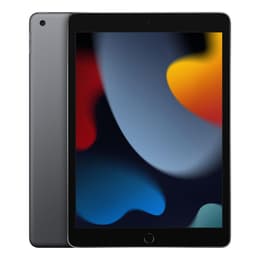
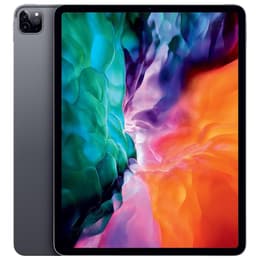
The iPad 2021 (9th generation) and the iPad Pro 2020 are two distinct tablet offerings from Apple, released in consecutive years. The iPad 2021, launched in September 2021, represents Apple's entry-level tablet, while the iPad Pro 2020, introduced in March 2020, was positioned as a more advanced, professional-grade device. Both run on Apple's iPadOS, providing a consistent software experience, but they differ significantly in their display technology, processing power, and accessory support, catering to different user needs.
Color
Storage
The practical lifespan of a tablet is often determined by its hardware durability and, crucially, its software support. The iPad 2021, being released a year later than the iPad Pro 2020, is expected to receive software updates for a slightly longer duration. Apple typically provides 5-6 years of major iPadOS updates for its devices. This means the iPad 2021 will likely continue to receive the latest features and security patches for an additional year compared to the iPad Pro 2020. Both models feature robust aluminum enclosures, offering good resistance to daily wear and tear. Repairability scores for both devices are generally moderate, with common repairs like screen replacements being feasible. Users prioritizing the longest possible software longevity will find the iPad 2021 to have a marginal advantage.
Release Year
Last OS Compatibility
OS
Maximum Operating System supported
The core performance of a tablet dictates its responsiveness and ability to handle various applications, from casual browsing to demanding creative tasks. The iPad 2021 is equipped with a capable processor that handles everyday applications, web browsing, and light gaming smoothly. It provides a responsive experience for general productivity and media consumption. The iPad Pro 2020, on the other hand, features a more advanced processor designed for intensive workloads, offering enhanced capabilities for professional applications, complex multitasking, and graphically demanding games. Its architecture is optimized for sustained performance, which can be beneficial for tasks like video editing or 3D rendering. Storage options also differ, with the iPad Pro 2020 starting with a higher base storage capacity, which can be important for users with large files or extensive app libraries. Both devices offer reliable battery behavior, typically providing a full day of mixed usage.
Processor
The display is a primary interface for any tablet, influencing everything from reading to creative work and media enjoyment. The iPad 2021 features a 10.2-inch Retina IPS display, offering clear visuals and accurate colors suitable for general use and media consumption. It includes True Tone technology, which adjusts the display's color and intensity to match the ambient light, providing a more natural viewing experience. The iPad Pro 2020, available in 11-inch and 12.9-inch sizes, boasts a Liquid Retina IPS display with several enhancements. It offers higher brightness levels, which improves visibility in bright outdoor conditions, and features ProMotion technology, enabling an adaptive refresh rate up to 120Hz. This results in noticeably smoother scrolling, more fluid animations, and a more responsive feel, particularly beneficial for drawing, gaming, and fast-paced content. Both displays provide excellent clarity, but the iPad Pro 2020 offers a more advanced visual experience.
Resolution
True Tone
Pro-Motion
Screen type
Pixel density
Brightness
Speakers
Tablet cameras are increasingly used for more than just casual snapshots, including video calls, document scanning, and augmented reality applications. The iPad 2021 is equipped with an 8-megapixel wide rear camera that performs well for everyday photography and document scanning. Its front-facing 12-megapixel ultra-wide camera is a notable feature, supporting Center Stage, which automatically keeps subjects in the frame during video calls. The iPad Pro 2020 features a more comprehensive camera system, including a 12-megapixel wide lens and a 10-megapixel ultra-wide lens on the rear, alongside a LiDAR Scanner. This scanner enhances augmented reality experiences and improves depth sensing for photography. Its front-facing 7-megapixel TrueDepth camera supports Face ID and offers good quality for video conferencing. Both devices record high-quality video, but the iPad Pro 2020 offers more versatility with its dual-camera setup and LiDAR. For audio, both provide clear microphone quality for calls, and their stereo speakers deliver a satisfactory media consumption experience.
Beyond core specifications, various practical features contribute to the overall user experience and device utility. The iPad 2021 retains the traditional Lightning port for charging and data transfer, along with a 3.5mm headphone jack, offering broad compatibility with existing accessories. It supports the first-generation Apple Pencil and the Smart Keyboard. The iPad Pro 2020 adopts a more modern approach with a versatile USB-C port, enabling connections to a wider range of peripherals like external displays and storage devices, but it omits the headphone jack. It supports the second-generation Apple Pencil, which attaches magnetically and charges wirelessly, and the Magic Keyboard, which includes a trackpad. Both devices offer reliable Wi-Fi and Bluetooth connectivity. The iPad 2021 uses Touch ID for secure authentication, while the iPad Pro 2020 utilizes Face ID. In terms of design, the iPad Pro 2020 features a thinner profile and more uniform bezels, contributing to a more contemporary aesthetic.
Weight
Width
Height
Depth
Screen size (inches)
Network
Carrier compatibility
Wi-Fi technology
Bluetooth Version
Face ID
Touch ID
Connector
User feedback often highlights the iPad 2021 as a reliable tablet for everyday tasks, praised for its consistent performance and Center Stage for video calls. Its traditional design, including the home button and headphone jack, is appreciated by some, though its larger bezels and Lightning port are sometimes mentioned. The iPad Pro 2020 is frequently lauded for its powerful performance, smooth 120Hz ProMotion display, and versatile USB-C connectivity, making it a favorite among creative professionals. Its modern design and advanced accessory support are often praised, while the absence of a headphone jack is a common observation.
Users prioritizing a dependable tablet for general use, media consumption, and video calls will find the iPad 2021 well-suited. Its slightly longer software support timeline offers an advantage for those seeking maximum longevity. Conversely, users requiring a more powerful device for demanding applications, advanced multitasking, or creative work, who value a high refresh rate display and modern connectivity, may lean toward the iPad Pro 2020. Both offer a quality experience; the choice depends on whether core functionality and extended software support or advanced features and professional capabilities are the primary drivers. For a sustainable choice, both models are available as quality-assured refurbished options.