
Google Pixel
Compare models
Differences at a glance
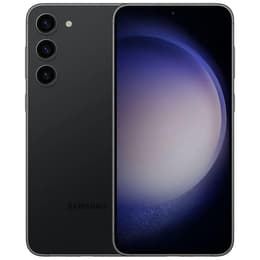
The Samsung Galaxy S23 Plus, released in February 2023, and the Google Pixel 8a, launched in May 2024, represent distinct approaches to the modern smartphone. While both operate on the Android platform, the Galaxy S23 Plus positions itself as a premium device with robust hardware, whereas the Pixel 8a focuses on delivering a streamlined user experience with advanced computational intelligence and extended software support. These differences cater to varying user priorities, from raw performance and display size to software longevity and smart features.
Color
Storage
When considering the long-term usability of these devices, their release timelines and software support policies are key differentiators.
Release Year
Last OS Compatibility
OS
Foldable
The performance of both smartphones is tailored to different user expectations, influencing how they handle demanding applications and daily multitasking.
The visual experience on both phones is delivered through high-quality displays, though with some distinctions in size and peak brightness.
Resolution
Screen type
Both smartphones offer capable camera systems, but they approach photography with different hardware configurations and software philosophies.
Main camera
Front camera
Beyond the core features, several practical elements contribute to the overall user experience of these devices.
Weight
Screen size (inches)
Network
SIM card
Carrier compatibility
The Samsung Galaxy S23 Plus and Google Pixel 8a cater to different user needs, each excelling in distinct areas. Users often praise the Galaxy S23 Plus for its premium build quality, powerful performance that handles any task with ease, and its versatile camera system, particularly the inclusion of a dedicated telephoto lens. Its large, vibrant display is also a frequent highlight for media consumption. Some users, however, might find its software update policy less extensive compared to Google's offerings.
The Google Pixel 8a receives acclaim for its exceptional software longevity, guaranteeing many years of updates, and its advanced computational photography features, which consistently produce high-quality images. Its focus on AI-driven tools and a more compact design are also strong points. Criticisms sometimes point to its less premium build materials and the absence of a dedicated telephoto camera, which might be a consideration for photography enthusiasts.
Users prioritizing raw processing power, a larger display, and hardware-based camera versatility, including optical zoom, may find the Samsung Galaxy S23 Plus better suited to their requirements. Conversely, individuals who value long-term software support, cutting-edge AI features, and a more compact form factor for everyday use will likely lean towards the Google Pixel 8a. Both devices offer compelling experiences, and choosing between them often comes down to these specific priorities. For those looking for an eco-friendly alternative, both models are available as quality-assured refurbished options, providing a sustainable choice for consumers.