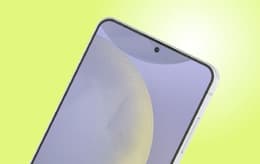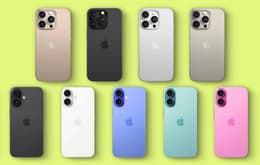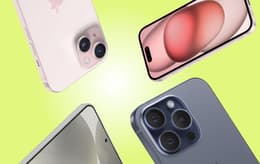

Galaxy S24 FE • Unlocked vs iPhone 16 • Unlocked

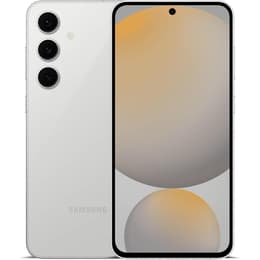
Galaxy S24 FE • Unlocked
Starting at

Refurbished price:$290.21

Versus $589.99 new

See options
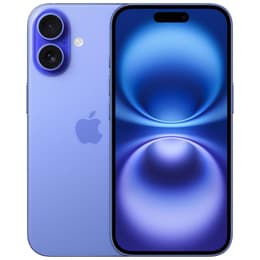
iPhone 16 • Unlocked
Starting at

Refurbished price:$516.00

Versus $729.00 new

See options

Ratings

The Samsung Galaxy S24 FE and the Apple iPhone 16 represent distinct approaches to modern smartphone design and functionality, both released in late 2024. While the Galaxy S24 FE operates on the Android ecosystem, offering a customizable experience, the iPhone 16 runs on Apple's iOS, known for its integrated services and user interface. Key differentiators include their display technologies, camera systems, and the underlying software philosophies that shape their user interactions.

Scores

Durability

Evaluating the practical lifespan of these devices involves considering their release timelines, software support, and physical durability features.

  • Release Timeline: The iPhone 16 was released in September 2024, while the Galaxy S24 FE followed shortly after, launching in October 2024. This places both devices firmly in the current generation of smartphones.
  • Software Longevity: The iPhone 16 launched with iOS 18 and is expected to receive several years of major iOS updates, typically around 5-6 years from its release. The Galaxy S24 FE, running Android 14, stands out by offering an extended commitment of up to seven years of OS and security updates, potentially providing a longer period of official software support.
  • Physical Durability: Both devices feature an IP68 rating for dust and water resistance, indicating protection against immersion in water up to 6 meters for 30 minutes. The Galaxy S24 FE incorporates Corning Gorilla Glass Victus+ on both its front and back for enhanced scratch and drop resistance, while the iPhone 16 utilizes Apple's Ceramic Shield for display protection.

Release Year

2024

2024

Last OS Compatibility

Yes

Yes

Foldable

No

No

Performance

The performance of a smartphone is crucial for daily tasks, from app usage to demanding multimedia experiences. Both the Galaxy S24 FE and iPhone 16 are equipped with capable internal components designed for smooth operation.

  • Processing Power: The iPhone 16 is powered by Apple's A18 chip, which is designed to handle demanding applications and multitasking with efficiency. The Galaxy S24 FE features the Exynos 2400e chipset, a deca-core processor that delivers robust performance for gaming and everyday use.
  • Multitasking and Storage: Both devices come with 8GB of RAM, facilitating smooth transitions between applications and efficient multitasking. The iPhone 16 offers storage options up to 512GB, while the Galaxy S24 FE is available with up to 256GB of internal storage.
  • Battery Behavior: The Galaxy S24 FE houses a larger 4700mAh battery, compared to the iPhone 16's 3561mAh battery. Despite the difference in capacity, both phones are optimized for efficient power consumption, with user experiences suggesting comparable battery life for typical daily usage. The iPhone 16 supports faster MagSafe wireless charging, while the Galaxy S24 FE offers slightly faster wired charging.

Memory (GB)

8 GB

8 GB

Screen quality

The visual experience is a primary interaction point for users, and both smartphones offer high-quality displays with distinct characteristics.

  • Display Technology and Size: The iPhone 16 features a 6.1-inch Super Retina XDR OLED display, known for its deep blacks and vibrant color reproduction. The Galaxy S24 FE sports a larger 6.7-inch Dynamic AMOLED 2X display, providing an expansive viewing area.
  • Resolution and Clarity: The iPhone 16 offers a resolution of 2556 x 1179 pixels, resulting in approximately 460 pixels per inch. The Galaxy S24 FE has a 1080x2340 (FHD+) resolution, which translates to a clear and detailed image on its larger screen.
  • Brightness and Refresh Rate: The iPhone 16 achieves a typical maximum brightness of 1000 nits, with a peak HDR brightness of 1600 nits and up to 2000 nits for outdoor viewing. The Galaxy S24 FE boasts a peak brightness of 1900 nits and features a 120Hz refresh rate, offering smoother scrolling and more fluid animations compared to the iPhone 16's standard refresh rate.

Resolution

1080 x 2340

1179 x 2556

Screen type

Dynamic AMOLED 2X

Super Retina XDR OLED

Audiovisual

Both devices offer advanced camera systems designed to capture high-quality photos and videos, though they approach imaging with different hardware configurations and software enhancements.

  • Rear Camera System: The iPhone 16 features a dual-camera setup with an updated 48-megapixel wide lens and a 12-megapixel ultrawide lens. The Galaxy S24 FE comes with a versatile triple-camera system, including a 50-megapixel primary sensor, a 12-megapixel ultrawide lens, and an 8-megapixel telephoto lens with 3x optical zoom.
  • Photography Performance: The Galaxy S24 FE's dedicated telephoto lens provides superior optical zoom capabilities, often resulting in sharper zoomed-in images compared to the iPhone 16's digital zoom. Both phones excel in everyday photography, with the iPhone 16 often praised for its consistent color accuracy and white balance, while the S24 FE leverages its ProVisual Engine and AI tools for enhanced image processing, particularly in low-light conditions.
  • Video Recording and Features: The Galaxy S24 FE supports video recording up to 8K at 30 frames per second, and 4K at up to 120 frames per second, offering more advanced video capabilities. The iPhone 16 introduces a new vertical camera layout that enables spatial video capture, designed for immersive viewing experiences. Both devices include features like optical image stabilization (OIS) on their main and telephoto lenses (for S24 FE) for stable footage.

Main camera

50 megapixels

48 megapixels

Front camera

10 megapixels

12 megapixels

Miscellaneous

Beyond core specifications, several practical elements contribute to the overall user experience and differentiate these two smartphones.

  • Connectivity and Ports: Both devices support 5G connectivity for fast mobile data. The iPhone 16 features Wi-Fi 7 and Bluetooth 5.3, along with a USB-C port. The Galaxy S24 FE also includes a USB-C port and supports modern Wi-Fi standards, ensuring broad compatibility with accessories and networks.
  • Biometric Security and Interaction: The iPhone 16 utilizes Face ID for secure facial recognition. The Galaxy S24 FE incorporates an in-display fingerprint sensor for biometric authentication. The iPhone 16 also introduces a customizable Action Button and a new Capture button for quick camera access and control.
  • Design and Materials: The Galaxy S24 FE features an aluminum frame and a glossy glass back, contributing to its overall aesthetic and feel. The iPhone 16 also uses an aluminum frame, but with a frosted glass back. The Galaxy S24 FE is physically larger and heavier than the iPhone 16.

Weight

7 oz

6000 oz

Screen size (inches)

6.7

6.1

Network

5G

5G

SIM card

Physical SIM

eSIM

Carrier compatibility

Unlocked

Unlocked

User sentiment often highlights the Galaxy S24 FE's appeal for its larger, high-refresh-rate display and the versatility of its triple-camera system, particularly the dedicated telephoto lens. Users appreciate the extensive software update commitment from Samsung, offering long-term support. Some common criticisms might revolve around its glossy finish being prone to fingerprints or the performance of its in-display fingerprint sensor compared to ultrasonic alternatives.

The iPhone 16 is frequently praised for its consistent performance, the seamless integration of the iOS ecosystem, and the introduction of new physical controls like the Action Button and Capture button. Its compact form factor is often a positive for users preferring a smaller device. Potential concerns might include the standard refresh rate of its display compared to some Android counterparts and the reliance on digital zoom for telephoto capabilities.

Users prioritizing a larger display, a higher refresh rate, and a dedicated telephoto camera for versatile photography may find the Samsung Galaxy S24 FE well-suited to their needs. Conversely, users who value a compact design, a highly integrated software experience, and the latest Apple innovations, including new physical controls, may lean toward the iPhone 16. Both devices offer a compelling experience, and considering a quality-assured refurbished option for either model can be an eco-friendly alternative to extend their lifecycle.

See all articles

Our recent comparisons