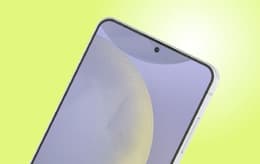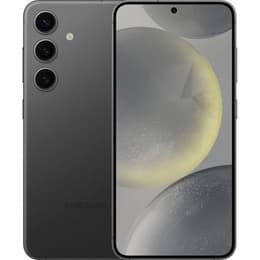
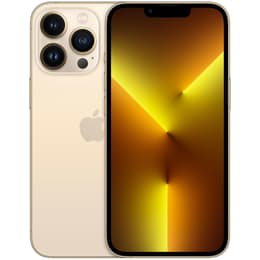

Galaxy S24 • Locked T-Mobile vs iPhone 13 Pro • Unlocked

Galaxy S24 • Locked T-Mobile
Starting at

Refurbished price:$277.00

Versus $799.99 new

See options
iPhone 13 Pro • Unlocked
Starting at

Refurbished price:$299.99

Versus $899.00 new

See options

Ratings

The Samsung Galaxy S24, released in January 2024, and the Apple iPhone 13 Pro, launched in September 2021, represent distinct generations and operating systems within the smartphone landscape. While the Galaxy S24 operates on Android with Samsung's One UI, the iPhone 13 Pro runs on Apple's iOS. Key differentiators between these two devices include their respective software ecosystems, display advancements, and camera capabilities.

Scores

Durability

When considering the long-term usability of these devices, their release timelines and software support policies are important factors.

  • Release Timeline: The Galaxy S24 is a more recent device, having been released in early 2024, while the iPhone 13 Pro was released in late 2021. This difference in launch dates means the Galaxy S24 benefits from newer hardware and a longer projected software support window.
  • Software Longevity: Samsung has committed to providing seven years of OS and security updates for the Galaxy S24 series, extending its software lifespan significantly. The iPhone 13 Pro typically receives iOS updates for approximately five to six years from its release. This means the Galaxy S24 is expected to receive software support for a considerably longer period.
  • Durability Features: Both devices offer robust build quality. The Galaxy S24 features an Armor Aluminum frame and Gorilla Glass Victus 2 for screen protection, along with an IP68 rating for dust and water resistance. The iPhone 13 Pro includes a Ceramic Shield front cover, a surgical-grade stainless steel frame, and also carries an IP68 rating for water and dust resistance.

Release Year

2024

2021

Last OS Compatibility

Yes

Yes

OS

Android

iOS

Foldable

No

No

Performance

The performance of a smartphone impacts how smoothly applications run and how efficiently it handles demanding tasks.

  • Processing Power: The Galaxy S24, being a newer device, incorporates a more recent generation processor, which translates to efficient handling of current applications and multitasking. The iPhone 13 Pro is powered by a capable chip that delivers smooth performance for everyday use and graphically intensive applications.
  • System Responsiveness: Users of both devices generally report a responsive and fluid experience when navigating the operating system and launching applications. The Galaxy S24's newer hardware provides a slight edge in raw processing capabilities for future-proofing.
  • Multitasking and Storage: The Galaxy S24 typically comes with 8GB of RAM, while the iPhone 13 Pro features 6GB of RAM. Both offer various internal storage options, with the iPhone 13 Pro also having a 1TB option. The difference in RAM might be noticeable during extensive multitasking with many applications open simultaneously.

Memory (GB)

8 GB

6 GB

Screen quality

The display is a primary interface for smartphone interaction, and both devices offer high-quality viewing experiences with distinct characteristics.

  • Display Technology and Brightness: The Galaxy S24 features a Dynamic AMOLED 2X display, capable of reaching a peak brightness of up to 2600 nits, offering excellent visibility even in bright outdoor conditions. The iPhone 13 Pro utilizes a Super Retina XDR OLED display with ProMotion, achieving a typical maximum brightness of 1000 nits and a peak HDR brightness of 1200 nits.
  • Resolution and Clarity: The Galaxy S24 has a 6.2-inch display with a resolution of 2340x1080 pixels. The iPhone 13 Pro features a 6.1-inch OLED display with a resolution of 2532x1170 pixels, resulting in a slightly higher pixel density. Both displays offer sharp and clear visuals for text and images.
  • Refresh Rate: Both devices feature adaptive refresh rates. The Galaxy S24's display can dynamically adjust from 1Hz to 120Hz, contributing to smoother scrolling and improved power efficiency. The iPhone 13 Pro's ProMotion technology offers an adaptive refresh rate ranging from 10Hz to 120Hz, providing a fluid user experience.

Resolution

1080 x 2340

1170 x 2532

Screen type

Dynamic LTPO AMOLED 2X

Super Retina XDR OLED

Audiovisual

Both smartphones are equipped with advanced camera systems designed to capture high-quality photos and videos, though with some differences in their approach and capabilities.

  • Rear Camera Systems: The Galaxy S24 features a triple rear camera setup, including a 50MP main sensor, a 12MP ultrawide, and a 10MP telephoto lens with 3x optical zoom. The iPhone 13 Pro also has a triple 12MP camera system, comprising wide, ultrawide, and telephoto lenses with 3x optical zoom.
  • Photography Performance: The Galaxy S24's camera system is noted for producing vibrant images with good dynamic range in favorable lighting, and it includes AI-powered editing tools. The iPhone 13 Pro is praised for its overall excellent picture quality, particularly in good light, with a strong night mode and improved low-light performance for its ultrawide camera compared to its predecessor. The iPhone 13 Pro also introduced a macro photography mode.
  • Video Recording: Both devices offer high-quality video recording. The iPhone 13 Pro introduced Cinematic Mode for video with a depth effect and ProRes video recording for higher fidelity. The Galaxy S24 can record slow motion at 4K 120fps, an improvement over its predecessor, and also benefits from enhanced optical stabilization.

Main camera

50 megapixels

12 megapixels

Front camera

12 megapixels

12 megapixels

Miscellaneous

Beyond core features, several practical elements contribute to the overall user experience and daily functionality of these smartphones.

  • Connectivity: Both the Galaxy S24 and iPhone 13 Pro support 5G connectivity, enabling faster mobile data speeds where available. They also include modern Wi-Fi standards and Bluetooth for wireless connections.
  • Physical Design and Handling: The Galaxy S24 measures 147.00 x 70.60 x 7.60mm and weighs 168.00 grams, offering a compact and lightweight design. The iPhone 13 Pro measures 146.7 x 71.5 x 7.65 mm and weighs 204 grams, providing a slightly more substantial feel. Both are designed for comfortable one-handed use for many users.
  • Biometric Security: The Galaxy S24 features an ultrasonic in-screen fingerprint sensor for secure unlocking. The iPhone 13 Pro relies on Face ID, Apple's facial recognition system, for biometric authentication.

Weight

6 oz

6 oz

Screen size (inches)

6.2

6.1

Network

5G

5G

SIM card

Physical SIM + eSIM

Physical SIM + eSIM

Carrier compatibility

T-Mobile

Unlocked

Connector

USB-C

Lightning

User feedback for the Galaxy S24 often highlights its compact size, vibrant display, and the significant commitment to software updates as strong positives. Many users appreciate its snappy performance for everyday tasks and the improvements in camera processing. Some users, particularly those with the Exynos variant outside the US, have noted occasional concerns regarding battery life under heavy use or potential for warming.

The iPhone 13 Pro receives consistent praise for its robust build, excellent camera system, and the introduction of the ProMotion display, which significantly enhances the visual experience. Users frequently commend its battery life, often reporting it lasts a full day with moderate to heavy use. Some criticisms have occasionally surfaced regarding camera processing, with some users finding photos overly saturated in certain conditions.

Users prioritizing a device with the longest possible software support and a very bright, adaptive display may find the Galaxy S24 well-suited to their needs. Its compact form factor and AI-enhanced features cater to those seeking a modern Android experience. Conversely, individuals who value a highly refined iOS ecosystem, a strong camera performance with features like Cinematic Mode, and a proven track record of consistent performance will likely lean towards the iPhone 13 Pro. Both devices offer a quality experience, and choosing between them often comes down to preference for operating system and specific feature priorities. For those considering either of these capable smartphones, exploring quality-assured refurbished options can be an eco-friendly alternative.


See all articles

Our recent comparisons