Galaxy S24 • Unlocked vs iPhone 14 • Locked T-Mobile

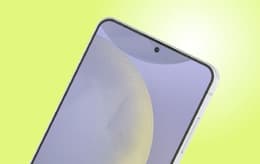
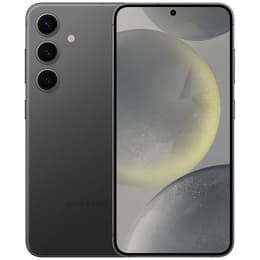
Galaxy S24 • Unlocked
Starting at

Refurbished price:$342.00

Versus $766.00 new

See options
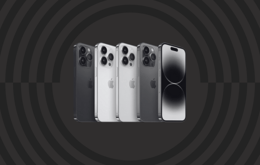
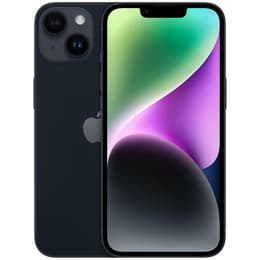
iPhone 14 • Locked T-Mobile
Starting at

Refurbished price:$254.00

Versus $599.00 new

See options

Ratings

The Samsung Galaxy S24, released in January 2024, and the Apple iPhone 14, launched in September 2022, represent two distinct approaches to flagship smartphone design and functionality. While both offer robust performance and advanced camera systems, they differ significantly in their operating systems, display technology, and long-term software support. The Galaxy S24 runs on Android with Samsung's One UI, offering extensive customization, whereas the iPhone 14 operates on Apple's iOS, known for its streamlined user experience.

Scores

Durability

When considering the long-term usability of these devices, their release timelines and software support policies are key factors.

  • Release Timeline: The Galaxy S24 is a more recent device, having been released in January 2024, while the iPhone 14 was introduced in September 2022. This difference in launch dates means the Galaxy S24 benefits from newer hardware and a longer potential support window from its manufacturer. [2, 3, 5, 8, 10, 11, 23]
  • OS Support Duration: Samsung has committed to an impressive seven years of OS and security updates for the Galaxy S24, ensuring it will receive major Android versions and security patches well into the future. [2, 20, 28, 32, 34] Apple typically provides 5-7 years of major iOS updates for its iPhones, with security patches often extending beyond that. This suggests the iPhone 14 will likely receive major iOS updates until around 2028, with security support continuing for a few more years. [33, 39, 47]
  • Repairability: The Galaxy S24 generally receives a high repairability score, with components like the battery designed for easier replacement. [6, 14, 19, 25] In contrast, while the iPhone 14 initially showed promise for easier hardware repair, its repairability score was later downgraded due to software-based parts pairing requirements that can complicate independent repairs. [9, 15, 18, 24, 29]

Release Year

2024

2022

Last OS Compatibility

Yes

Yes

OS

Android

iOS

Foldable

No

No

Performance

Both the Galaxy S24 and iPhone 14 deliver capable performance for daily tasks, though their underlying architectures and real-world usage experiences present some distinctions.

  • Processing Power: The Galaxy S24 is equipped with a more recent generation processor, allowing it to handle demanding applications, complex multitasking, and graphics-intensive games with notable fluidity. Users can expect a highly responsive experience across various workloads. [1, 2, 13, 17] The iPhone 14 utilizes a powerful processor from the previous year's Pro models, providing smooth performance for everyday apps, web browsing, and most mobile gaming. [3, 10, 12, 21]
  • Multitasking and Storage: The Galaxy S24 typically offers more RAM in its base configurations, which can contribute to a smoother experience when switching between many open applications. Both devices offer a range of internal storage options, from 128GB up to 512GB, accommodating various user needs for apps, photos, and videos. [1, 2, 3, 4, 12, 13, 16, 17]
  • Battery Behavior: The Galaxy S24 features a larger battery capacity, and many users report it comfortably lasts through a full day of use. [1, 2, 13, 27, 38, 43] However, some users have noted inconsistent battery performance, particularly after certain software updates. [40] The iPhone 14, despite having a smaller battery capacity, is optimized for efficient power consumption, often providing reliable all-day battery life for typical usage. [12, 21, 22]

Memory (GB)

8 GB

6 GB

Screen quality

The visual experience on both smartphones is vibrant and clear, but they employ different display technologies and specifications.

  • Display Technology and Clarity: The Galaxy S24 features a 6.2-inch Dynamic AMOLED 2X display, offering deep blacks, vivid colors, and a resolution of 2340 x 1080 pixels. [2, 13, 17, 27] The iPhone 14 comes with a 6.1-inch Super Retina XDR OLED display, known for its excellent contrast and color accuracy, with a resolution of 2532 x 1170 pixels. [3, 12, 16, 21, 22]
  • Brightness and Refresh Rate: The Galaxy S24 boasts a significantly higher peak brightness of up to 2600 nits, making it exceptionally visible even in bright outdoor conditions. It also features an adaptive 120Hz refresh rate, providing smoother scrolling and more fluid animations. [2, 13, 27] The iPhone 14 offers a peak brightness of 1200 nits for HDR content and a standard 60Hz refresh rate. [3, 16, 22]
  • Viewing Experience: Both displays provide an immersive viewing experience for media consumption and daily interactions. The Galaxy S24's higher refresh rate offers a noticeable difference in smoothness, while its superior peak brightness enhances outdoor usability. The iPhone 14's display delivers consistent color reproduction and clarity.

Resolution

1080 x 2340

1170 x 2532

Screen type

Dynamic LTPO AMOLED 2X

Super Retina XDR OLED

Audiovisual

Both devices offer capable camera systems for capturing photos and videos, though with different strengths and configurations.

  • Rear Camera System: The Galaxy S24 features a versatile triple-camera setup on the rear, including a 50MP main sensor, a 10MP telephoto lens with 3x optical zoom, and a 12MP ultrawide lens. This configuration provides flexibility for various shooting scenarios, from wide landscapes to zoomed-in subjects. [1, 2, 13, 27, 43] The iPhone 14 has a dual-camera system, comprising a 12MP main sensor with sensor-shift optical image stabilization and a 12MP ultrawide lens. [4, 16, 22]
  • Photography Performance: The Galaxy S24 generally produces good photos in well-lit conditions, with vibrant colors. Its video recording capabilities are also noted for good quality. [37, 40] However, some users have reported that its low-light photography can struggle, with colors appearing washed out. [40] The iPhone 14, with its Photonic Engine, offers improved low-light performance across its main and ultrawide cameras, and its front camera also benefits from autofocus. [22]
  • Video Recording and Audio: Both phones are capable of recording high-quality video. The Galaxy S24 supports up to 8K video recording, while the iPhone 14 offers 4K Dolby Vision HDR recording. [1, 16, 22] Both devices feature stereo speakers for media consumption and good microphone quality for calls and recordings. [1, 22]

Main camera

50 megapixels

12 megapixels

Front camera

12 megapixels

12 megapixels

Miscellaneous

Beyond core features, several practical elements differentiate the user experience between these two smartphones.

  • Connectivity and Ports: Both the Galaxy S24 and iPhone 14 support 5G connectivity for fast mobile data. The Galaxy S24 supports newer Wi-Fi standards (Wi-Fi 6E/7) compared to the iPhone 14's Wi-Fi 6, potentially offering faster and more stable wireless connections in compatible environments. [1, 16, 17, 22] The Galaxy S24 uses a USB-C 3.2 port for charging and data transfer, while the iPhone 14 retains Apple's Lightning port. [1, 16, 17]
  • Biometrics and Sensors: The Galaxy S24 incorporates an ultrasonic under-display fingerprint sensor for secure unlocking. [1, 13, 17, 43] The iPhone 14 relies on Face ID for facial recognition. [22] Both devices include a standard suite of sensors like accelerometers, gyroscopes, and compasses. [1, 12, 17]
  • Build Materials and Handling: The Galaxy S24 features a Gorilla Glass Victus 2 front and back with an aluminum frame, offering a durable construction. [13, 17, 43] The iPhone 14 uses a Ceramic Shield front cover, a glass back, and an aluminum design, also providing robust protection. [16, 21] In terms of dimensions, both are relatively compact, with the Galaxy S24 being slightly lighter. [16, 17]

Weight

6 oz

6 oz

Screen size (inches)

6.2

6.1

Network

5G

5G

SIM card

Physical SIM + eSIM

eSIM

Carrier compatibility

Unlocked

T-Mobile

The Samsung Galaxy S24 and Apple iPhone 14 cater to users with varying priorities, reflecting their distinct operating systems and design philosophies. User feedback for the Galaxy S24 often praises its vibrant, high-refresh-rate display and the extended software support commitment. Some users appreciate its versatile camera system, though criticisms occasionally arise regarding low-light photo performance and battery consistency after updates. The iPhone 14 is frequently lauded for its consistent performance, reliable camera in various conditions, and the intuitive nature of iOS. Common points of discussion for the iPhone 14 include its standard 60Hz display refresh rate and the limitations imposed on independent repairs due to parts pairing.

Users prioritizing the latest Android features, a highly customizable interface, a telephoto camera lens, and a display with a higher refresh rate and peak brightness may find the Galaxy S24 well-suited to their needs. Its extended software support also offers a longer period of up-to-date functionality. Conversely, individuals who value the seamless integration of Apple's ecosystem, a consistent and user-friendly operating system, and strong video capabilities will likely lean towards the iPhone 14. Both devices offer a premium smartphone experience, and choosing between them often comes down to personal preference for either the Android or iOS platform, and specific feature priorities.

For those looking for a more sustainable choice, both the Galaxy S24 and iPhone 14 are available as quality-assured refurbished options, providing an eco-friendly alternative to purchasing new.


See all articles

Our recent comparisons