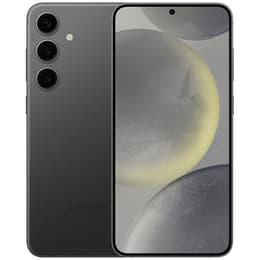
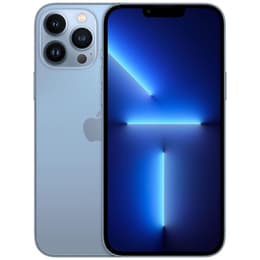

Galaxy S24+ • Unlocked vs iPhone 13 Pro Max • Unlocked

Galaxy S24+ • Unlocked
Starting at

Refurbished price:$408.00

Versus $814.00 new

See options
iPhone 13 Pro Max • Unlocked
Starting at

Refurbished price:$362.27

Versus $999.00 new

See options

Ratings

The Samsung Galaxy S24 Plus (released January 2024) and the Apple iPhone 13 Pro Max (released September 2021) represent different generations and operating systems within the premium smartphone market. While both offer large displays and advanced camera systems, the Galaxy S24 Plus benefits from more recent technological advancements and a longer software support commitment, whereas the iPhone 13 Pro Max, despite its age, still delivers a robust user experience within the Apple ecosystem.

Scores

Durability

The expected lifespan and software support differ significantly between these two devices due to their respective release dates and manufacturer policies.

  • Release Timeline: The Galaxy S24 Plus is a much newer device, launched in January 2024, while the iPhone 13 Pro Max was released in September 2021. This age difference directly impacts their remaining support cycles.
  • OS Support Duration: Samsung has committed to seven years of software and security updates for the Galaxy S24 Plus, extending its usability well into the future. The iPhone 13 Pro Max, having been released in 2021, typically receives 5-6 years of iOS updates, meaning its software support is expected to conclude around 2026 or 2027.
  • Repairability: Both devices are designed with modern smartphone construction, which can make user-level repairs challenging. However, official service networks and third-party repair options are available for both platforms.

Release Year

2024

2021

Last OS Compatibility

Yes

Yes

OS

Android

iOS

Foldable

No

No

Performance

Both smartphones offer strong performance for daily tasks, but the newer Galaxy S24 Plus incorporates more recent hardware advancements.

  • Processor Capabilities: The Galaxy S24 Plus handles demanding applications and multitasking smoothly, providing a responsive experience for gaming and productivity due to its current-generation processor. The iPhone 13 Pro Max, powered by its own advanced chip, also delivers excellent performance, managing complex tasks and graphics-intensive games with ease.
  • RAM Implications: The Galaxy S24 Plus typically comes with 12GB of RAM, contributing to seamless multitasking and app retention. The iPhone 13 Pro Max features 6GB of RAM, which, combined with iOS's efficient memory management, still provides a fluid user experience.
  • Storage Options: The Galaxy S24 Plus is available with 256GB or 512GB of internal storage. The iPhone 13 Pro Max offered a wider range of storage capacities at its launch, including 128GB, 256GB, 512GB, and 1TB.
  • Battery Behavior: The Galaxy S24 Plus is equipped with a 4900 mAh battery, providing extended usage for many users. The iPhone 13 Pro Max has a 4352 mAh battery, known for its strong endurance, often lasting a full day or more for typical use.

Memory (GB)

12 GB

6 GB

Screen quality

Both devices feature high-quality displays that offer vibrant visuals, though with some differences in technology and peak brightness.

  • Display Technology and Resolution: The Galaxy S24 Plus features a 6.7-inch Dynamic AMOLED 2X display with a QHD+ resolution (3120 x 1440 pixels), resulting in sharp and detailed images. The iPhone 13 Pro Max also has a 6.7-inch Super Retina XDR OLED display with a resolution of 2778 x 1284 pixels, offering excellent clarity and color accuracy.
  • Brightness Levels: The Galaxy S24 Plus can reach a peak brightness of 2600 nits, making it highly visible even in bright outdoor conditions. The iPhone 13 Pro Max offers a peak brightness of 1200 nits for HDR content and 1000 nits typical, providing a bright and clear viewing experience.
  • Refresh Rate: Both phones feature an adaptive refresh rate of up to 120Hz, which provides smoother scrolling and more fluid animations.

Resolution

1440 x 3120

1284 x 2778

Screen type

Dynamic LTPO AMOLED 2X

Super Retina XDR OLED

Audiovisual

Both smartphones offer versatile camera systems capable of capturing high-quality photos and videos, each with distinct strengths.

  • Camera System Capabilities: The Galaxy S24 Plus features a triple rear camera setup, including a 50MP main sensor, a 12MP ultrawide, and a 10MP telephoto lens with 3x optical zoom. The iPhone 13 Pro Max also has a triple 12MP camera system, comprising wide, ultrawide, and telephoto lenses, also with 3x optical zoom.
  • Photography Performance: The Galaxy S24 Plus excels in capturing detailed images with vibrant colors, and its newer processing capabilities contribute to improved low-light performance. The iPhone 13 Pro Max is known for its consistent image quality, natural color reproduction, and strong performance in various lighting conditions, including impressive low-light capabilities.
  • Video Recording Quality: Both devices offer high-quality video recording. The Galaxy S24 Plus supports 8K video recording, while the iPhone 13 Pro Max offers advanced features like Cinematic Mode for shallow depth-of-field video and ProRes video recording.
  • Audio Experience: Both phones provide clear audio output through their stereo speakers, suitable for media consumption and calls.

Main camera

50 megapixels

12 megapixels

Front camera

12 megapixels

12 megapixels

Miscellaneous

Beyond core specifications, several practical elements differentiate the user experience of these two devices.

  • Connectivity Options: The Galaxy S24 Plus supports 5G, Wi-Fi 6E, and Bluetooth 5.3, offering fast and reliable wireless connections. The iPhone 13 Pro Max also supports 5G and Wi-Fi 6, along with Bluetooth 5.0.
  • Port Types: The Galaxy S24 Plus uses a USB-C port for charging and data transfer. The iPhone 13 Pro Max utilizes Apple's proprietary Lightning port.
  • Biometric Security: The Galaxy S24 Plus features an ultrasonic in-display fingerprint sensor in addition to face recognition. The iPhone 13 Pro Max relies solely on Face ID for biometric authentication.
  • Build Materials and Dimensions: The Galaxy S24 Plus features an Armor Aluminum frame and Gorilla Glass Victus 2 on the front and back, weighing 196 grams. The iPhone 13 Pro Max has a stainless steel frame, Ceramic Shield front cover, and a textured matte glass back, weighing 240 grams, making it noticeably heavier.

Weight

7 oz

8000 oz

Screen size (inches)

6.7

6.7

Network

5G

5G

SIM card

Physical SIM + eSIM

Physical SIM + eSIM

Carrier compatibility

Unlocked

Unlocked

The Samsung Galaxy S24 Plus and the iPhone 13 Pro Max cater to users with varying priorities and preferences. User feedback for the Galaxy S24 Plus often highlights its bright, high-resolution display, long software support, and advanced AI features as significant advantages. Some users appreciate its modern design and powerful performance for demanding tasks. Criticisms, though less frequent, sometimes point to the regional variations in its processor.

The iPhone 13 Pro Max is frequently praised for its exceptional battery life, consistent camera performance, and the long-term reliability associated with Apple's ecosystem. Users often value its robust build quality and the smooth integration of iOS. Some common feedback includes its considerable weight and the use of the Lightning port, which is less universal than USB-C.

Users prioritizing the latest technology, a longer software update commitment, and the Android ecosystem will find the Galaxy S24 Plus well-suited to their needs. Its superior peak brightness and modern connectivity options are also compelling. Conversely, users who value the established iOS ecosystem, a highly optimized camera experience, and a device known for its strong battery endurance, even a few years after its release, may lean toward the iPhone 13 Pro Max. Both devices offer a premium smartphone experience, and for those considering a quality-assured refurbished option, both models provide an eco-friendly alternative to purchasing new.


See all articles

Our recent comparisons