Compare models

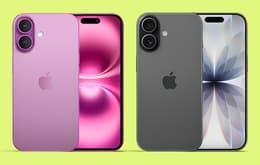
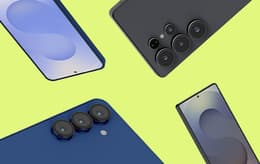
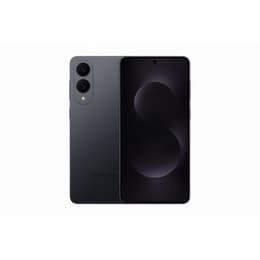
Galaxy S25 Edge • Unlocked vs iPhone 16 • Unlocked

  • 1-year warranty
  • Free standard shipping
  • Free 30-day returns
Galaxy S25 Edge • Unlocked
Starting at

Refurbished price:$449.00

Versus $1,099.00 new

See options
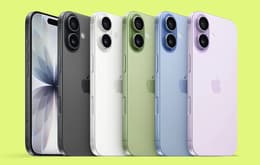
iPhone 16 • Unlocked
Starting at

Refurbished price:$561.92

Versus $729.00 new

See options

Differences at a glance

The Samsung Galaxy S25 Edge (2025) and the Apple iPhone 16 (2024) represent advanced smartphone options within the Android and iOS ecosystems respectively. While they run on different operating systems and stem from different development cycles, both devices target users seeking polished day-to-day functionality, high-resolution visual output, and reliable processing power in a modern unibody build. Selecting between them typically depends on software ecosystem preference, screen dimensions, and camera hardware configuration.

Available Models

Color

Storage (GB)

Scores

Durability

Both models are built to remain functional and relevant for years, though their distinct platform support models and physical construction vary in approach.

  • Software longevity: The iPhone 16 benefits from Apple's long-standing tradition of multi-year operating system updates, while the Galaxy S25 Edge receives prolonged software and security patch support under Samsung's latest guidelines.
  • Build and repairability: The Galaxy S25 Edge features a titanium frame and structured glass protection, whereas the iPhone 16 utilizes an aluminum and color-infused glass design with ceramic shielding front protection, both offering standard component serviceability through authorized channels.
  • Expected lifespan: Both devices provide ample physical durability and processing headroom to easily sustain several years of daily usage under normal conditions.

Release Year

2025

2024

Foldable

No

No

Performance

Handling daily responsibilities, demanding applications, and background multitasking effortlessly, both devices provide responsive computing environments geared toward varied usage styles.

  • Multitasking and memory: The Galaxy S25 Edge comes equipped with generous memory allowances for seamless app switching, while the iPhone 16 manages background tasks efficiently through optimized hardware-software integration.
  • Everyday execution: Applications load rapidly, heavy graphic rendering flows smoothly without noticeable stutter, and system-wide navigation remains fluid across both platforms.
  • Energy management: Battery endurance handles full days of standard messaging, media streaming, and web browsing, though heavy gaming or continuous navigation will require a midday charge on both models.

Screen quality

Visual immersion differs primarily through display dimensions, panel engineering, and maximum luminance capabilities during outdoor usage.

  • Display technology: The Galaxy S25 Edge features a broad, high-resolution AMOLED panel with deep contrast levels, while the iPhone 16 utilizes a sharp Super Retina XDR display known for accurate color reproduction.
  • Outdoor visibility: High peak brightness modes on both screens ensure clear readability and minimal glare when viewed under direct sunlight.
  • Viewing ergonomics: The Samsung device offers a more expansive canvas suited for media consumption, whereas the iPhone 16 provides a compact footprint that remains comfortable for single-handed operation.

Resolution

1440x3120

1179 x 2556

Screen type

LTPO AMOLED 2X

Super Retina XDR OLED

Audiovisual

Photography and video capture configurations prioritize different lens setups and processing pipelines to suit varied creator preferences.

  • Sensor configuration: The Galaxy S25 Edge relies on a high-resolution main sensor paired with an ultra-wide option, whereas the iPhone 16 utilizes a dual-camera system featuring deep integration with photographic styling controls.
  • Low-light performance: Advanced computational imaging algorithms on both models pull substantial detail out of dim environments, reducing noise and preserving natural tones.
  • Audio and video: Video recording stabilization, clarity, and microphone fidelity perform at professional levels on both phones, making them well-suited for capturing clear home videos or quick content.

Miscellaneous

Physical dimensions, connectivity suites, and authentication mechanisms establish the functional boundaries of each hardware platform.

  • Connectivity standards: Both options support fast 5G data networks, modern Wi-Fi frequencies, and reliable Bluetooth pairing for wireless accessories.
  • Physical proportions: The Galaxy S25 Edge emphasizes an exceptionally slim profile and light weight, while the iPhone 16 presents a slightly thicker yet shorter stature that sits compactly in pockets.
  • Security features: The Samsung model relies on an in-display fingerprint sensor alongside facial recognition, whereas the iPhone 16 utilizes secure facial mapping exclusively for device unlocking and verification.

Weight

6 oz

185 oz

Screen size (inches)

6.7

6.1

Network

5G

5G

SIM card

Physical SIM + eSIM

eSIM

Carrier compatibility

Unlocked

Unlocked

What the community thinks

User feedback across community platforms indicates widespread praise for the swift responsiveness, high build quality, and bright displays found on both devices. Common discussions often note that the Galaxy S25 Edge attracts users who favor an expansive screen size and a thin profile, while the iPhone 16 resonates with individuals looking for an ergonomic size and the straightforward nature of the iOS platform. Choosing a quality-assured refurbished option from Back Market provides an eco-friendly alternative that lets consumers access these high-end smartphones while minimizing environmental impact.

Users prioritizing an expansive viewing area and deep Android customization may prefer the Galaxy S25 Edge, while those leaning toward a compact footprint and tight ecosystem integration will find the iPhone 16 well-suited to their routine. Reviewing these practical differences ensures that your final decision aligns closely with your daily communication and media habits.

Our recent comparisons