
Samsung
Compare models
Differences at a glance
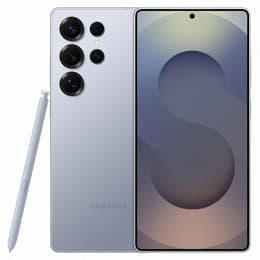
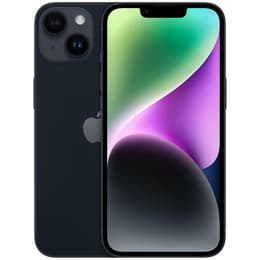
The Galaxy S25 Ultra, a high-end Android smartphone released in early 2025, and the iPhone 14, an iOS device launched in late 2022, represent distinct approaches to mobile technology. While they both offer advanced features, they differ significantly in their operating systems, display technology, and camera capabilities. This comparison aims to highlight the practical distinctions between these two devices, assisting users in making an informed decision based on their individual needs and preferences.
Color
Storage
The practical lifespan of a smartphone is influenced by its physical resilience and ongoing software support. The Galaxy S25 Ultra, released in February 2025, benefits from Samsung's commitment to providing seven years of OS upgrades and security updates, extending its software longevity well into the future. It features a robust titanium frame and Gorilla Glass Armor 2 for enhanced physical durability. The iPhone 14, launched in September 2022, typically receives iOS updates for approximately five to seven years from its release, suggesting support until at least 2027 or 2028. It incorporates a Ceramic Shield front cover and an aluminum design. Both devices carry an IP68 rating for dust and water resistance.
Release Year
Last OS Compatibility
OS
Foldable
The performance of these devices is shaped by their internal components, impacting app responsiveness, multitasking, and demanding tasks. The Galaxy S25 Ultra is equipped with a current-generation processor designed for high-speed operations and efficient power management, enabling smooth handling of intensive applications and advanced AI features. It typically comes with 12GB or 16GB of RAM, facilitating robust multitasking. The iPhone 14 features a powerful processor from the previous generation, which provides a responsive user experience for everyday tasks and many graphically intensive applications. It includes 6GB of RAM, which supports efficient app switching and general usage.
The visual experience on these smartphones is a key differentiator, with variations in display technology, size, and clarity. The Galaxy S25 Ultra boasts a large 6.9-inch Dynamic AMOLED 2X display, offering a high resolution and an adaptive refresh rate that can reach 120Hz for smooth scrolling and fluid visuals. Its peak brightness of 2600 nits ensures excellent visibility in various lighting conditions. The iPhone 14 features a 6.1-inch Super Retina XDR OLED display, providing vibrant colors and deep blacks with a resolution of 2532 x 1170 pixels. It maintains a standard 60Hz refresh rate and offers a peak HDR brightness of 1200 nits.
Resolution
Screen type
Camera systems and audio output are significant factors for many users, and these devices offer different strengths. The Galaxy S25 Ultra features a versatile quad-camera system, including a 200 MP main sensor, a 50 MP ultrawide, and two telephoto lenses (10 MP with 3x optical zoom and 50 MP with 5x optical zoom), providing extensive photographic flexibility and advanced zoom capabilities. Its camera system is enhanced with AI features for improved image processing and detail. The iPhone 14 has a dual 12MP camera system, comprising a main sensor with sensor-shift optical image stabilization and an ultrawide lens, known for consistent image quality in various conditions. It also features a 12MP front camera with autofocus. Both devices offer advanced video recording capabilities, including cinematic modes.
Beyond core features, practical elements like connectivity, physical design, and unique tools contribute to the overall user experience. The Galaxy S25 Ultra supports the latest connectivity standards, including Wi-Fi 7 and Bluetooth 5.4, alongside Ultra Wideband (UWB) technology. It integrates the S Pen, offering precise input for notes, drawing, and navigation. The device features a USB-C port for charging and data transfer. Its dimensions and weight reflect its large display and robust build. The iPhone 14 supports Wi-Fi 6 and Bluetooth 5.3, also featuring UWB. It utilizes a Lightning port for connectivity. The iPhone 14's design is characterized by its Ceramic Shield front and aluminum frame, with a more compact form factor compared to the S25 Ultra. Both devices offer secure biometric authentication, with the Galaxy S25 Ultra likely using an under-display fingerprint sensor and the iPhone 14 relying on Face ID.
Weight
Screen size (inches)
Network
SIM card
Carrier compatibility
Connector
User sentiment often highlights the Galaxy S25 Ultra's comprehensive feature set, particularly its advanced camera system with extensive zoom capabilities and its large, vibrant display. Users frequently praise its long battery life and the versatility offered by the integrated S Pen. Some common points of discussion might revolve around its size, which, while offering an expansive viewing experience, can be substantial for some users. The iPhone 14 is often lauded for its consistent performance, reliable camera for everyday use, and the intuitive nature of its operating system. Users appreciate its compact form factor and the robust ecosystem it integrates into. A frequent point of consideration for the iPhone 14 is its 60Hz display refresh rate, which some users might find less fluid compared to devices with higher refresh rates.
Users prioritizing a highly versatile camera system, a large and immersive display with a high refresh rate, and extended software support will find the Galaxy S25 Ultra well-suited to their needs. Its integrated S Pen also caters to those who benefit from precise input and creative tools. Conversely, users who value a more compact device, a consistently reliable camera for general photography, and a streamlined user experience within the iOS ecosystem may lean toward the iPhone 14. Both devices offer a quality experience, and considering a quality-assured refurbished option for either model can be a sustainable choice for consumers.