Compare models

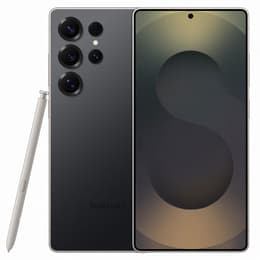
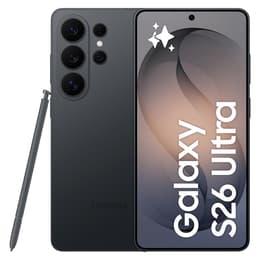
Galaxy S25 Ultra • Unlocked vs Galaxy S26 Ultra • Unlocked

  • 1-year warranty
  • Free standard shipping
  • Free 30-day returns
Galaxy S25 Ultra • Unlocked
Starting at

Refurbished price:$678.49

Versus $1,299.00 new

See options
Galaxy S26 Ultra • Unlocked
Starting at

Refurbished price:$936.00

Versus $1,299.00 new

See options

Differences at a glance

The Samsung Galaxy S25 Ultra (2025) and the Samsung Galaxy S26 Ultra (2026) represent consecutive generations of high-end flagship smartphones designed for productivity and multimedia. While both models share a similar large-screen format and integrated stylus functionality, the newer model introduces refined internal efficiency, faster charging speeds, and minor hardware updates that distinguish it from its predecessor. Both devices run on the Android operating system, paired with Samsung's custom interface, though the newer model launches with a more recent software version out of the box.

Available Models

Color

Storage (GB)

Scores

Durability

Both smartphones offer robust physical construction and long-term software support timelines typical of modern flagship mobile devices, with the newer model providing an extended support window due to its later release date.

  • Software Support: The Galaxy S26 Ultra benefits from an additional year of promised system updates compared to the previous generation, extending its overall software longevity.
  • Build Quality: Both models utilize durable glass panels and aluminum or titanium frames designed to withstand daily wear, complemented by high-level dust and water resistance ratings.
  • Repairability and Maintenance: Choosing a quality-assured refurbished option for either model provides a sustainable choice that extends the functional lifecycle of high-end hardware while reducing electronic waste.

Release Year

2025

2026

Last OS Compatibility

Yes

Yes

OS

Android

Android

Foldable

No

No

Performance

Both devices deliver rapid system responsiveness, fluid multitasking, and reliable handling for demanding applications and mobile gaming through their current-generation processors and ample memory configurations.

  • Processing Power: The Galaxy S26 Ultra features a slightly faster processor iteration that handles intensive multitasking and complex background tasks with minimal thermal throttling.
  • Battery Behavior: Both units house a 5000mAh battery capable of lasting through a full day of mixed usage, though the newer model supports faster charging speeds to reduce downtime.
  • Storage and Memory: Both smartphones offer generous baseline storage tiers and high RAM capacity options, ensuring smooth switching between multiple heavy applications without stutter.

Screen quality

The viewing experience across both generations remains exceptionally sharp, featuring large panels designed for media consumption, reading, and precise stylus interaction.

  • Display Technology: Both models utilize large OLED screens with adaptive refresh rates up to 120Hz, delivering deep blacks, vibrant colors, and smooth scrolling.
  • Outdoor Visibility: Advanced anti-reflective glass protection minimizes glare on both devices, maintaining clear legibility under direct sunlight.
  • Resolution and Clarity: Quad HD+ resolution ensures crisp text and detailed image rendering for both productivity tasks and entertainment.

Resolution

1440x3120

1440 x 3120

Screen type

Dynamic LTPO AMOLED 2X

Dynamic LTPO AMOLED 2X

Audiovisual

Photography and video capabilities are robust on both flagship handsets, featuring versatile multi-lens configurations suited for varied lighting conditions.

  • Main and Wide Lenses: Both smartphones feature high-resolution primary sensors capable of capturing fine details and sharp textures in daylight and low light.
  • Zoom and Auxiliary Lenses: Telephoto and ultra-wide lenses on both devices provide flexible framing options for landscape and distant subjects without significant quality loss.
  • Video and Audio: Both models record steady, high-resolution video with clear multi-microphone audio capture and immersive stereo speaker output for media playback.

Miscellaneous

Practical daily usability elements such as connectivity, security sensors, and physical dimensions show subtle refinements between the two generations.

  • Connectivity and Ports: Both devices support 5G networks, modern Wi-Fi standards, Bluetooth, and reliable USB-C wired data transfer.
  • Biometric Security: Quick and secure authentication is handled by responsive ultrasonic in-display fingerprint sensors and facial recognition on both models.
  • Physical Handling: The Galaxy S26 Ultra features a fractionally thinner profile and slightly adjusted dimensions compared to its predecessor, though both share a substantial footprint in the hand.

Weight

8 oz

214 oz

Screen size (inches)

6.9

6.9

Network

5G

5G

SIM card

Physical SIM + eSIM

Physical SIM + eSIM

Carrier compatibility

Unlocked

Unlocked

Connector

USB-C

USB-C

What the community thinks

Users transitioning to these large-format flagships frequently praise the expansive display quality, reliable all-day battery life, and the precision of the integrated stylus. Common discussions often note the considerable physical size of both devices, which can make one-handed operation challenging, as well as the absence of expandable storage. User feedback indicates that both models meet high expectations for general productivity and multimedia tasks, though individual preferences typically hinge on minor generational refinements.

Users prioritizing maximum software longevity and faster charging capabilities may prefer the Galaxy S26 Ultra, while users seeking robust flagship performance at a different stage of the product lifecycle may lean toward the Galaxy S25 Ultra. For those aiming to make an eco-friendly choice, opting for a quality-assured refurbished model provides a sustainable alternative without sacrificing core functionality. Ultimately, the decision depends on whether extended software support and faster charging take priority over general feature parity.
Our recent comparisons