Compare models
Galaxy S26 Ultra • Unlocked vs iPhone 17 Pro • Unlocked
- 1-year warranty
- Free standard shipping
- Free 30-day returns
Differences at a glance
The Samsung Galaxy S26 Ultra (2026) and the Apple iPhone 17 Pro (2025) represent the pinnacle of modern smartphone engineering in the Android and iOS ecosystems. While both devices deliver high-end functionality, advanced camera configurations, and robust processing capabilities, they cater to distinct user preferences through differing software environments, physical footprints, and specialized features.
Available Models
Color
Storage (GB)
Scores
Durability
Both flagship models are built to remain reliable and functional over many years, though they feature different update timelines and structural approaches.
- Software Support Duration: The Galaxy S26 Ultra receives up to seven years of major operating system updates, while the iPhone 17 Pro benefits from Apple's long-standing software support history extending across multiple years.
- Build Longevity: Both devices employ advanced scratch-resistant glass and reinforced frames to withstand daily wear, ensuring solid physical durability over a multi-year ownership cycle.
- Repairability and Lifecycle: Opting for a quality-assured refurbished option provides an eco-friendly alternative that extends device life cycles without sacrificing structural integrity or everyday reliability.
Release Year
2026
2025
Last OS Compatibility
Yes
Yes
OS
Android
iOS
Foldable
No
No
Performance
System responsiveness and speed remain exceptionally high across both platforms, handling demanding daily workflows, complex multitasking, and high-end gaming with ease.
- Multitasking and App Handling: Generous random access memory allocations on both handsets ensure that background applications stay active and switch instantly without stuttering.
- Battery Behavior: Both devices offer dependable energy management designed to sustain a full day of mixed use, supported by efficient internal processors and optimized power profiles.
- Storage Configurations: Multiple storage tiers accommodate large media libraries and heavy document storage, though neither model includes expandable storage slots.
Screen quality
Viewing experiences on these devices are exceptionally sharp and vivid, utilizing advanced panel technologies suited for media consumption and outdoor readability.
- Display Technology: Both handsets use vibrant organic light-emitting diode panels that produce deep blacks, high contrast ratios, and accurate color reproduction.
- Brightness and Outdoor Visibility: High peak luminance levels ensure clear visibility under direct sunlight, making navigation and outdoor photography effortless.
- Refresh Rate Smoothness: Adaptive refresh rates scale up to 120Hz for fluid scrolling and responsive gaming, while scaling down during static tasks to conserve battery life.
Resolution
1440 x 3120
2622x1206
Screen type
Dynamic LTPO AMOLED 2X
Super Retina XDR
Audiovisual
Imaging capabilities are a core focus for both smartphones, offering versatile multi-lens arrays that excel in varied lighting conditions.
- Everyday and Low-Light Photography: High-resolution primary sensors capture crisp detail and wide dynamic range in challenging lighting environments without excessive noise.
- Video Recording: Advanced stabilization and professional recording formats allow smooth motion capture and high-fidelity audio recording for content creators.
- Media and Audio Output: Integrated stereo speaker setups deliver clear sound projection for casual video viewing, hands-free calls, and music playback.
Main camera
200.0
48 megapixels
Front camera
12.0
18 megapixels
Miscellaneous
Physical design choices and connectivity options highlight different ergonomic philosophies between the two manufacturers.
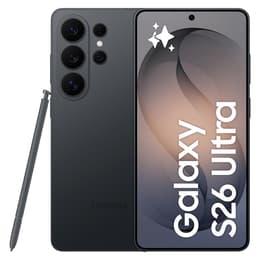
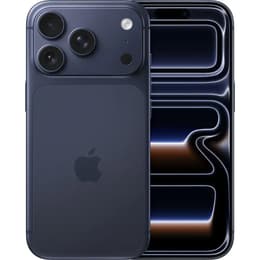
- Handling and Form Factor: The Galaxy S26 Ultra features a larger, squared display footprint with an integrated stylus silo, whereas the iPhone 17 Pro utilizes a more compact, rounded unibody chassis.
- Connectivity Standards: Both devices support fast 5G cellular networks, modern Wi-Fi protocols, and secure biometric authentication systems for rapid unlocking.
- Port Architecture: Both manufacturers utilize the universal USB-C standard for wired charging and data transfers across their current hardware lineups.
Weight
214 oz
206 oz
Screen size (inches)
6.9
6.3
Network
5G
5G
SIM card
Physical SIM + eSIM
eSIM
Carrier compatibility
Unlocked
Unlocked
Connector
USB-C
USB-C
What the community thinks
Users prioritizing a spacious display area, integrated stylus functionality, and the customizable Android environment will find the Galaxy S26 Ultra well-suited to their workflow. Conversely, users who prefer a more compact physical build, integrated iOS ecosystem continuity, and streamlined media creation tools often lean toward the iPhone 17 Pro. Selecting between these two devices ultimately depends on software ecosystem preference and ergonomic comfort rather than raw processing capability.