Compare models

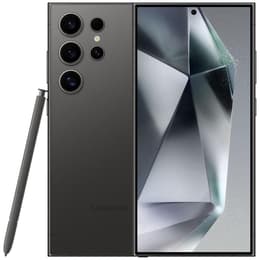
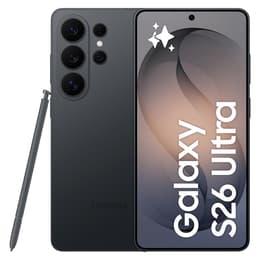
Galaxy S24 Ultra • Unlocked vs Galaxy S26 Ultra • Unlocked

  • 1-year warranty
  • Free standard shipping
  • Free 30-day returns
Galaxy S24 Ultra • Unlocked
Starting at

Refurbished price:$548.00

Versus $1,204.00 new

See options
Galaxy S26 Ultra • Unlocked
Starting at

Refurbished price:$936.00

Versus $1,299.00 new

See options

Differences at a glance

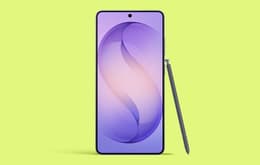
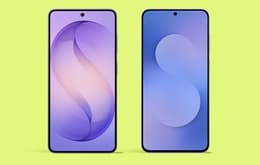
The Samsung Galaxy S24 Ultra (2024) and the Samsung Galaxy S26 Ultra (2026) represent consecutive generations of advanced large-format Android smartphones designed for productivity and multimedia tasks. While both devices share a focus on robust build quality, integrated stylus support, and large display formats, the Galaxy S26 Ultra introduces refined internals, updated screen protections, and a slightly larger viewing area compared to its predecessor. Both run on Google's Android operating system paired with Samsung's customized interface, though they launch with different initial software versions.

Available Models

Color

Storage (GB)

Scores

Durability

Both devices offer strong longevity prospects, with multi-year software support windows and durable physical construction designed to withstand regular daily wear.

  • Software Support: Both models benefit from extended software longevity, with long-term operating system and security updates scheduled from their respective release years, though the newer model extends its support timeline further into the future.
  • Repairability and Build: Both units feature robust chassis engineering and internal layouts that support standard manufacturer repair procedures, scoring similarly in structural durability against drops and environmental exposure.
  • Expected Lifespan: High-capacity internal batteries and resilient hardware components ensure that both devices maintain dependable daily utility over several years of standard use.

Release Year

2024

2026

Last OS Compatibility

Yes

Yes

OS

Android

Android

Foldable

No

No

Performance

System capabilities differ primarily in processing headroom and multitasking configuration, catering smoothly to both casual users and demanding power users.

  • Storage and Memory Configurations: Both devices offer spacious internal storage tiers starting at 256GB, with the newer model providing expanded memory options up to 16GB of RAM on top-tier configurations for heavy multitasking workflows.
  • Everyday Speed and Responsiveness: Both devices handle demanding applications, rapid app switching, and heavy mobile gaming smoothly, though the newer model provides additional processing headroom for intensive real-time tasks.
  • Battery Behavior: Both smartphones integrate efficient power management, lasting through a full day of mixed usage under typical conditions, while the newer model introduces faster wired charging speeds.

Screen quality

Display properties emphasize high resolution and outdoor visibility, with subtle panel refinements on the newer generation.

  • Display Technology: Both models utilize vibrant OLED panels with adaptive refresh rates scaling up to 120Hz, ensuring fluid scrolling and rich color reproduction for media consumption.
  • Outdoor Visibility: Both displays achieve high peak brightness levels, while the newer model incorporates advanced anti-reflective glass layers that further reduce glare under direct sunlight.
  • Screen Size: The Galaxy S26 Ultra expands the viewing estate slightly to 6.9 inches compared to the 6.8-inch panel found on the Galaxy S24 Ultra, while maintaining identical high-resolution clarity.

Resolution

1440 x 3120

1440 x 3120

Screen type

Dynamic LTPO AMOLED 2X

Dynamic LTPO AMOLED 2X

Audiovisual

Imaging hardware covers versatile focal lengths and high-resolution sensors, delivering detailed photography across various lighting conditions.

  • Sensor Capabilities: Both devices feature multi-lens rear camera arrays anchored by ultra-high-resolution primary sensors, alongside dedicated telephoto options for distant subjects.
  • Low-Light and Video Performance: Both models capture sharp low-light imagery and stable high-resolution video, though the newer generation features wider apertures on select lenses to capture additional light naturally.
  • Media and Audio Output: Integrated stereo speakers deliver clear audio output for hands-free calls and media playback, supported by multi-microphone arrays that isolate voice clarity during recordings.

Main camera

200 megapixels

200.0

Front camera

12 megapixels

12.0

Miscellaneous

Physical handling characteristics and connectivity standards reflect modern flagship engineering expectations.

  • Connectivity Standards: Both devices support 5G sub-6 and mmWave networks, advanced Wi-Fi standards, and Bluetooth for reliable peripheral pairing.
  • Physical Dimensions: The Galaxy S24 Ultra measures 162.3 x 79 x 8.6 mm at 232 grams, while the Galaxy S26 Ultra refines the profile to 163.6 x 78.1 x 7.9 mm at 214 grams, offering a slightly thinner and lighter hand-feel.
  • Security and Inputs: Both smartphones include rapid ultrasonic in-screen fingerprint sensors and incorporate an integrated stylus slot for handwritten notes and precise navigation.

Weight

8 oz

214 oz

Screen size (inches)

6.8

6.9

Network

5G

5G

SIM card

Physical SIM + eSIM

Physical SIM + eSIM

Carrier compatibility

Unlocked

Unlocked

What the community thinks

User feedback from online communities highlights strong appreciation for the expansive displays, built-in stylus convenience, and reliable battery performance on both models. Common discussions often weigh the absolute processing headroom and anti-reflective glass improvements of the newer generation against the proven reliability of its predecessor. Users prioritizing maximum performance headroom and the latest anti-glare screen enhancements may prefer the Galaxy S26 Ultra, while those seeking a capable flagship experience at a different stage of its lifecycle will find the Galaxy S24 Ultra well-suited to their daily routines. Choosing a quality-assured refurbished option provides an eco-friendly alternative that extends device life cycles without compromising on core performance capabilities. Ultimately, the decision depends on individual feature preferences and long-term software update horizons.


Our recent comparisons