
Compare models
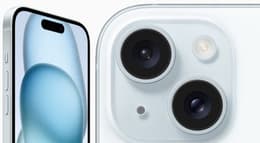
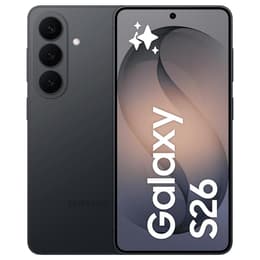
Galaxy S26 • Unlocked vs iPhone 16 • Unlocked
- 1-year warranty
- Free standard shipping
- Free 30-day returns
Differences at a glance
The Samsung Galaxy S26 (2026) and the Apple iPhone 16 (2024) represent two distinct approaches to flagship smartphone design, operating systems, and ecosystem integration. While the Galaxy S26 runs on Android with extensive customizability, the iPhone 16 operates on iOS, focusing on streamlined simplicity. Choosing between these two devices ultimately depends on software preferences and daily workflow integration.
Available Models
Color
Storage (GB)
Scores
Durability
Both smartphones are built to handle years of daily use, though their release timelines and software update commitments differ slightly due to their respective launch years.
- Software longevity: Both manufacturers provide multi-year operating system updates and security patches, helping these devices remain secure and functional over an extended lifecycle.
- Repairability and build: Both models utilize robust outer frames and glass protection designed to withstand minor drops, while components are structured to support standard service procedures when maintenance is required.
- Expected lifespan: Users can anticipate smooth hardware performance and consistent battery behavior across multiple years of regular daily operation.
Release Year
2026
2024
Last OS Compatibility
Yes
Yes
Foldable
No
No
Performance
Equipped with current-generation hardware, both models handle everyday demands smoothly, though they manage memory and system tasks through different software architectures.
- Everyday multitasking: App switching, web browsing, and running demanding applications happen without noticeable stutter on both devices, supported by robust internal memory allocations.
- Battery behavior: Energy management is optimized for full-day usage under typical conditions, though heavy gaming or constant navigation will require mid-day charging on both models.
- Storage configurations: Multiple capacity tiers are available to accommodate large photo libraries, downloaded media, and offline application data.
Screen quality
Display technology on both handsets delivers sharp text, vibrant colors, and strong outdoor visibility, though they vary slightly in dimensions and refresh rates.
- Display panels: Both devices feature high-contrast OLED panels that provide deep blacks and vivid color reproduction for video viewing and photo editing.
- Outdoor visibility: Peak brightness levels ensure that content remains legible even under direct sunlight or bright ambient lighting conditions.
- Smoothness: Screen scrolling and touch responsiveness feel fluid, enhancing everyday navigation through menus and web pages.
Resolution
1080 x 2340
1179 x 2556
Screen type
Dynamic LTPO AMOLED 2X
Super Retina XDR OLED
Audiovisual
The camera systems on both devices are designed to capture detailed photos and stable video in varied environments without requiring manual adjustments.
- Everyday photography: Main and secondary lenses capture balanced color, sharp detail, and dynamic range in daylight settings, alongside reliable low-light processing modes.
- Video recording: High-definition capture capabilities include robust stabilization features that minimize shaky footage during movement.
- Media consumption: Integrated stereo speakers deliver clear audio output for hands-free calls, casual video watching, and music playback.
Main camera
50.0
48 megapixels
Front camera
12.0
12 megapixels
Miscellaneous
Practical daily usability features, physical dimensions, and connectivity standards shape how each phone fits into routine user habits.
- Connectivity standards: Both smartphones support fast 5G mobile networks, reliable Wi-Fi protocols, and current Bluetooth versions for accessory pairing.
- Physical handling: Form factors are slim and balanced, making them comfortable to hold with one hand or slip into pockets during travel.
- Biometric security: Fast facial recognition and secure fingerprint authentication provide quick, effortless device unlocking.
Weight
167 oz
185 oz
Screen size (inches)
6.3
6.1
Network
5G
5G
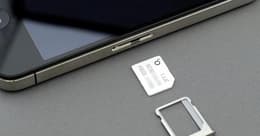
SIM card
Physical SIM + eSIM
eSIM
Carrier compatibility
Unlocked
Unlocked
Connector
USB-C
USB-C (USB 2)
What the community thinks
User feedback from online communities highlights distinct preferences for each ecosystem. Owners of the Galaxy S26 frequently praise its flexible interface, high-resolution screen clarity, and smooth multitasking capabilities. Conversely, iPhone 16 users often emphasize the intuitive nature of iOS, reliable video capture, and seamless integration with other Apple hardware. Common criticisms for both devices typically center on battery drain under intense processing loads and the absence of bundled wall chargers in the box.
Users prioritizing deep software customizability and file management freedom will find the Galaxy S26 well-suited to their workflow, while those invested in the iOS ecosystem will naturally lean toward the iPhone 16. Exploring a quality-assured refurbished option through Back Market can also provide an eco-friendly alternative for acquiring either device.