
Samsung
Compare models
Differences at a glance
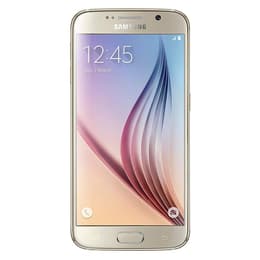
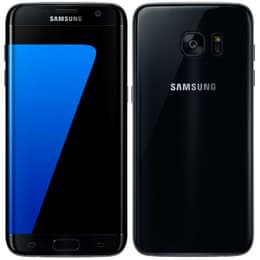
The Samsung Galaxy S6, released in April 2015, and the Samsung Galaxy S7, launched in March 2016, represent two consecutive generations of Samsung's flagship smartphone line. While sharing a premium design language, the Galaxy S7 introduced several key enhancements over its predecessor, including improved durability features, expanded storage options, and a refined camera system. Both devices run on the Android operating system, offering a familiar user experience with Samsung's custom interface.
Color
Storage (GB)
The practical lifespan of a smartphone is influenced by its release timeline, software support, and physical resilience. The Galaxy S6 and S7, being older models, have reached the end of their official software update cycles, though community support may extend their usability.
Release Year
Last OS Compatibility
OS
Foldable
Performance in both the Galaxy S6 and S7 is sufficient for general daily tasks, but the newer model offers a noticeable boost in responsiveness and multitasking capabilities, alongside improved battery endurance.
Both devices feature high-quality displays, but the Galaxy S7 introduces a practical enhancement that improves user convenience.
Resolution
Screen type
The camera systems on both devices are capable, but the Galaxy S7 offers significant advancements, particularly in challenging lighting conditions.
Main camera
Front camera
Beyond core features, several practical elements distinguish these two generations, impacting daily usability and connectivity.
Weight
Screen size (inches)
Network
SIM card
Carrier compatibility
The Samsung Galaxy S6 and Galaxy S7, while sharing a similar aesthetic, offer distinct experiences shaped by their generational differences. Users often praised the Galaxy S6 for its initial shift to a premium design and capable camera for its time. However, common criticisms included its non-expandable storage and relatively smaller battery capacity, which could lead to frequent charging for heavy users.
The Galaxy S7, in contrast, was widely lauded for addressing many of the S6's shortcomings. Its reintroduction of microSD card support and IP68 water resistance were significant improvements, alongside a larger battery that generally provided more reliable endurance throughout the day. The camera, despite a lower megapixel count, received considerable praise for its enhanced low-light performance and faster autofocus. Some users noted the S7's slightly increased thickness and weight, though often viewed as a worthwhile trade-off for the added features.
Users prioritizing a device with expandable storage, water resistance, and superior low-light photography capabilities will find the Galaxy S7 better suited to their needs. Its improved battery life also makes it a more robust option for those who are frequently away from a charger. Conversely, individuals who value a slightly thinner profile and do not require expandable storage or water resistance might still find the Galaxy S6 a capable device for basic tasks. For those considering either model, opting for a quality-assured refurbished option can provide an eco-friendly alternative to extend the life of these devices.