
iPhones
Compare models
Differences at a glance
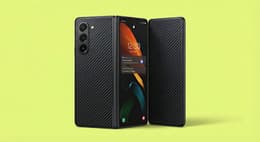
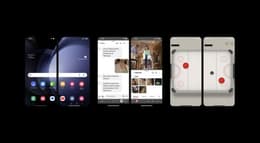
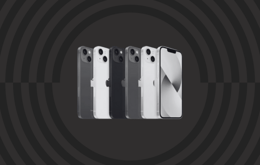
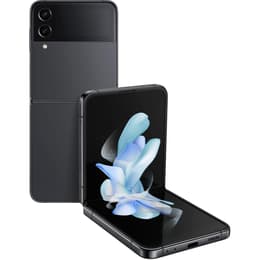
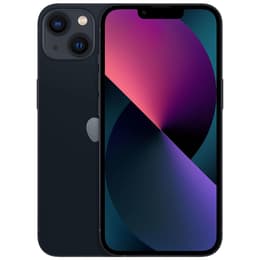
The Samsung Galaxy Z Flip4 (2022) and the iPhone 13 (2021) represent distinct approaches to smartphone design and user experience. While the iPhone 13 offers a traditional slate form factor running Apple's iOS, the Galaxy Z Flip4 introduces a unique foldable clamshell design powered by Android. These differences extend beyond their physical appearance, influencing aspects like display interaction, camera capabilities, and overall portability.
Color
Storage
When considering the long-term usability of these devices, their release timelines and software support are key factors. The iPhone 13 was released in September 2021, while the Galaxy Z Flip4 followed in August 2022, making the Flip4 a year newer.
Release Year
Last OS Compatibility
OS
Foldable
Both devices offer robust performance for daily tasks, but their underlying hardware and software optimizations lead to different user experiences, particularly concerning battery behavior and multitasking.
The display experience is a primary differentiator between these two smartphones, with the Galaxy Z Flip4 offering a unique foldable design and the iPhone 13 providing a consistently high-quality traditional screen.
Resolution
Screen type
Both devices offer capable camera systems for everyday photography and video recording, though they approach imaging with different hardware and software strengths.
Main camera
Front camera
Beyond core features, several practical elements contribute to the overall user experience, from connectivity standards to physical design and biometric security.
Weight
Screen size (inches)
Network
SIM card
Carrier compatibility
User feedback for the iPhone 13 often praises its consistent performance, reliable camera system, and strong battery life for a non-Pro model. Many appreciate the seamless iOS ecosystem and the device's overall polish. Common criticisms sometimes point to the 60Hz display, which some users find less fluid compared to higher refresh rate screens on other devices, and the continued use of the Lightning port.
For the Galaxy Z Flip4, users frequently highlight its unique foldable form factor as a major draw, appreciating its compact size when folded and the utility of the cover screen for quick notifications and selfies. The improved battery life over its predecessor and the vibrant main display are also often cited as positives. Some users, however, note that while the camera is good, it may not match the versatility or advanced features of some non-foldable flagships, particularly lacking a telephoto lens.
Users prioritizing a compact, innovative design with a high refresh rate display and the flexibility of the Android ecosystem may find the Galaxy Z Flip4 well-suited to their needs. Conversely, those who value a consistently strong camera, a longer expected software support window, and the established iOS experience might lean towards the iPhone 13. Both devices offer a quality-assured refurbished option, providing an eco-friendly alternative for consumers.