
Galaxy Z Flip6 • Unlocked vs iPhone 13 • Unlocked

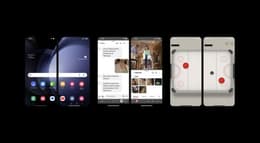
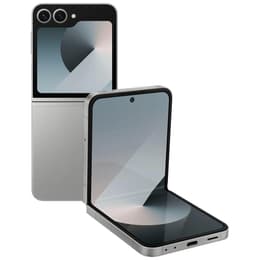
Galaxy Z Flip6 • Unlocked
Starting at

Refurbished price:$339.99

Versus $1,099.00 new

See options
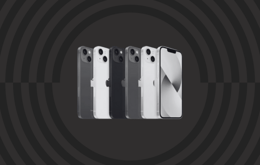
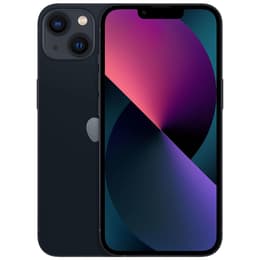
iPhone 13 • Unlocked
Starting at

Refurbished price:$226.00

Versus $629.00 new

See options

Ratings

The Samsung Galaxy Z Flip6, released in July 2024, represents a modern take on smartphone design with its innovative foldable form factor. In contrast, the Apple iPhone 13, launched in September 2021, offers a traditional slab design. These devices operate on distinct ecosystems, with the Z Flip6 running Android and the iPhone 13 powered by iOS. The primary differentiators lie in their physical design, display technology, and software philosophies, catering to different user preferences.

Scores

Durability

When considering the longevity of these devices, several factors come into play, including their release timelines, software support, and repairability.

  • Release Timeline: The Galaxy Z Flip6, launched in July 2024, benefits from being a more recent device compared to the iPhone 13, which was released in September 2021. This difference in launch dates inherently provides the Z Flip6 with a longer period before it is considered an older generation.
  • Software Support: Samsung has committed to providing 7 generations of Android OS updates and 7 years of security updates for the Galaxy Z Flip6, offering an extended period of software relevance. The iPhone 13, while still receiving updates (compatible with iOS 18 as of September 2024 and iOS 26 as of March 2026), typically receives software support for approximately 5 to 6 years from its release. This suggests the Z Flip6 will maintain software currency for a longer duration.
  • Repairability and Durability: The Galaxy Z Flip6 features a more robust hinge design and Gorilla Glass Victus 2 protection for its cover screen and back panel, contributing to its overall durability. It received an overall repairability score of 8/10 from PBKReviews, with screen replacement noted as easier than its predecessor. The iPhone 13, with its Ceramic Shield front cover and IP68 water resistance, also offers a durable build. Its repairability score from iFixit was initially 5/10, later improving to 6/10 after a software update addressed Face ID issues following screen replacements. The Z Flip6's inner foldable screen, however, is noted to be more susceptible to scratches than the outer display.

Release Year

2024

2021

Last OS Compatibility

Yes

Yes

OS

Android

iOS

Foldable

Yes

No

Performance

The performance of a smartphone is crucial for daily operations, from launching applications to handling demanding tasks. Both devices offer capable internal hardware, but their architectures and real-world impacts differ.

  • Processor Capabilities: The Galaxy Z Flip6 is equipped with a current-generation processor, enabling it to handle demanding applications and multitasking smoothly. This allows for efficient execution of complex tasks and supports advanced features like Galaxy AI. The iPhone 13 features a powerful processor that delivers responsive performance for everyday use, gaming, and creative applications. Users generally report smooth operation and quick app loading times.
  • Multitasking and Responsiveness: With its higher amount of RAM, the Galaxy Z Flip6 is well-suited for users who frequently switch between multiple applications and engage in heavy multitasking, ensuring a fluid experience. The iPhone 13, while having less RAM, is optimized by its operating system to manage background processes effectively, providing a consistently responsive user experience for most tasks.
  • Battery Behavior: The Galaxy Z Flip6 incorporates a larger battery capacity and an efficient processor, leading to improved battery life that often lasts a full day even for heavy users. The iPhone 13 also offers strong battery endurance, representing a significant improvement over its predecessor, and can comfortably last through a day of typical usage.

Memory (GB)

12 GB

4 GB

Screen quality

The display is a primary interface for smartphone interaction, and both devices offer distinct visual experiences tailored to their form factors.

  • Display Technology and Clarity: The Galaxy Z Flip6 features a 6.7-inch Dynamic AMOLED 2X main display, providing vibrant colors, deep blacks, and excellent contrast. Its foldable nature allows for a compact device when closed. The iPhone 13 utilizes a 6.1-inch Super Retina XDR OLED display, known for its high resolution, accurate color reproduction, and sharp image quality.
  • Brightness and Refresh Rate: The Z Flip6's main display offers a variable refresh rate of up to 120 Hz, contributing to smoother scrolling and more fluid animations. It also provides ample brightness for visibility in various lighting conditions. The iPhone 13 has a 60 Hz refresh rate, which is standard for many smartphones, and its display reaches high brightness levels, including a peak brightness for HDR content, ensuring good outdoor visibility.
  • Unique Display Features: A key feature of the Galaxy Z Flip6 is its 3.4-inch Super AMOLED cover display, which allows users to view notifications, control media, and take selfies without unfolding the device. The iPhone 13 offers a consistent, uninterrupted display experience with its traditional slab design. The crease on the Z Flip6's main screen has been refined to be less noticeable.

Resolution

1080 x 2640

1170 x 2532

Screen type

Foldable Dynamic LTPO AMOLED 2X

Super Retina XDR OLED

Audiovisual

Photography and videography capabilities are significant considerations for many users, and both the Galaxy Z Flip6 and iPhone 13 offer robust camera systems with different strengths.

  • Rear Camera System: The Galaxy Z Flip6 features a dual-camera setup on the rear, including a 50 MP wide-angle main sensor and a 12 MP ultra-wide-angle lens. The main camera is a notable upgrade, capturing detailed images with good color accuracy in well-lit conditions. The iPhone 13 also has a dual 12 MP camera system, comprising a wide and an ultra-wide lens, known for producing consistent, high-quality photos with excellent dynamic range and natural colors.
  • Low-Light Performance and Features: The Z Flip6's main camera performs well in low-light, though some users note that details can appear less defined in very challenging conditions. It also includes a 2x in-sensor zoom for added versatility. The iPhone 13 excels in low-light photography, with its larger sensor and sensor-shift optical image stabilization (OIS) on the wide camera contributing to sharper, brighter images in dim environments. Both devices offer dedicated night modes.
  • Video Recording and Audio: For video, the iPhone 13 introduces Cinematic mode, which provides a shallow depth of field effect for a more professional look, and supports HDR video recording up to 4K at 60 fps. The Z Flip6 also offers strong video capabilities, and its unique form factor allows for flexible shooting angles using Flex Mode. Both phones provide clear microphone quality for calls and recordings, and deliver a satisfactory media consumption experience through their speakers.

Main camera

50 megapixels

12 megapixels

Front camera

10 megapixels

12 megapixels

Miscellaneous

Beyond core performance and display, various practical elements contribute to the overall user experience and device utility.

  • Connectivity and Ports: The Galaxy Z Flip6 supports modern connectivity standards, including 5G, Wi-Fi 6, and Bluetooth 5.3, ensuring fast and reliable wireless connections. It features a USB-C port for charging and data transfer. The iPhone 13 also offers 5G and Wi-Fi 6 connectivity, alongside Bluetooth 5.0. It uses Apple's proprietary Lightning port.
  • Biometric Security and Sensors: The Z Flip6 typically integrates a side-mounted fingerprint sensor for secure unlocking. The iPhone 13 relies on Face ID, Apple's facial recognition system, for biometric authentication. Both devices include a range of sensors that enable features like spatial awareness and NFC for contactless payments.
  • Design and Handling: The Galaxy Z Flip6's clamshell foldable design allows it to fold into a compact form factor, making it highly portable and easy to store in smaller pockets. When unfolded, it offers a large screen experience. The iPhone 13 features a traditional flat-edged slab design, providing a familiar and solid feel in hand. The Z Flip6 weighs 187g, while the iPhone 13 is slightly lighter at 174g.

Weight

7 oz

6 oz

Screen size (inches)

6.7

6.1

Network

5G

5G

SIM card

Physical SIM + eSIM

Physical SIM + eSIM

Carrier compatibility

Unlocked

Unlocked

Connector

USB-C

Lightning

The choice between the Samsung Galaxy Z Flip6 and the iPhone 13 ultimately depends on individual priorities and how a user intends to interact with their device. User sentiment often highlights the Z Flip6's innovative foldable design as a major draw, offering a fresh and compact experience. Many appreciate its improved battery life and the versatility of its cover screen for quick interactions. However, some users note that while the camera is improved, it may not always match the consistent output of traditional flagship phones in all scenarios, and the durability of the inner foldable screen remains a point of consideration for some.

The iPhone 13 is frequently praised for its balanced performance, reliable camera system, and strong battery life, making it a dependable daily driver. Users value its consistent software experience and the robust Apple ecosystem. Criticisms sometimes point to its 60Hz display refresh rate, which is lower than many newer Android devices, and the proprietary charging port.

Users prioritizing a cutting-edge design, a highly portable form factor, and an extended software support timeline may find the Galaxy Z Flip6 well-suited to their needs. Its unique capabilities, such as Flex Mode and the interactive cover screen, cater to those who enjoy novel ways of interacting with their smartphone. Conversely, users who value a traditional, highly polished smartphone experience with a proven track record for consistent performance, camera quality, and a familiar operating system may lean toward the iPhone 13. Both devices offer distinct advantages, and for those seeking a quality-assured refurbished option, both models are available, providing an eco-friendly alternative to new purchases.

See all articles

Our recent comparisons