
Galaxy Z Flip6 • Unlocked vs iPhone 16 Pro Max • Unlocked

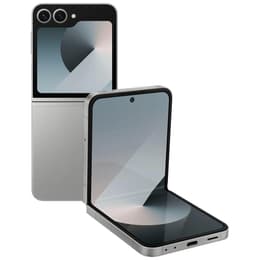
Galaxy Z Flip6 • Unlocked
Starting at

Refurbished price:$339.99

Versus $1,099.00 new

See options
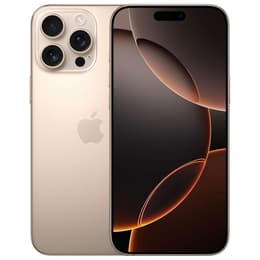
iPhone 16 Pro Max • Unlocked
Starting at

Refurbished price:$759.00

Versus $1,199.00 new

See options

Ratings

The Samsung Galaxy Z Flip6, released in July 2024, and the iPhone 16 Pro Max, launched in September 2024, represent distinct approaches to high-end smartphone design and functionality. While the Z Flip6 offers a unique foldable form factor with a compact clamshell design, the iPhone 16 Pro Max provides a traditional, large-screen experience. Key differentiators include their operating systems, physical design, and camera philosophies, catering to different user preferences.

Scores

Durability

When considering the long-term usability of these devices, both offer robust software support and build quality, though their form factors present different durability considerations.

  • Release Timeline and Software Support: The Galaxy Z Flip6, released in mid-2024, is promised seven years of Android OS upgrades and security updates, extending its software longevity until approximately 2031. The iPhone 16 Pro Max, launched slightly later in late 2024, typically receives major iOS updates for five to six years, with security updates often extending beyond that. This suggests a longer official software support period for the Z Flip6.
  • Physical Durability: The Z Flip6 features an enhanced armored aluminum frame and Corning Gorilla Glass Victus 2 on its cover screen and back panel, along with an IP48 rating for water and dust resistance. Its foldable inner screen, however, is more susceptible to scratches, showing marks at a lower Mohs hardness level compared to the outer display. The iPhone 16 Pro Max boasts a titanium design and a Ceramic Shield front, which Apple states is significantly tougher than previous generations, alongside an IP68 rating for superior water and dust resistance. While the iPhone's rigid design generally offers high resistance to bending, some drop tests indicate that its thin bezels can make the display vulnerable to damage upon impact.
  • Expected Practical Lifespan: Both devices are built to last, with the Z Flip6 offering extended software support and the iPhone 16 Pro Max providing a highly durable traditional smartphone build. Users prioritizing the latest software features for the longest duration may find the Z Flip6's update policy appealing, while those seeking a consistently robust, non-folding design might lean towards the iPhone 16 Pro Max.

Release Year

2024

2024

Last OS Compatibility

Yes

Yes

Foldable

Yes

No

Performance

Both smartphones deliver high-level performance suitable for demanding tasks, but their underlying architectures and user experiences differ.

  • Processing Power and Responsiveness: The Galaxy Z Flip6 is equipped with a current-generation Snapdragon processor, providing smooth operation for everyday applications, multitasking, and mobile gaming. The iPhone 16 Pro Max features Apple's A18 Pro chip, designed for efficient handling of complex computations, graphics-intensive applications, and advanced AI features. Both devices offer a highly responsive user experience, with applications launching quickly and transitions appearing fluid.
  • Multitasking and Memory: The Galaxy Z Flip6 comes with 12 GB of RAM, facilitating seamless switching between numerous applications and handling intensive background processes. The iPhone 16 Pro Max includes 8 GB of RAM, which, combined with iOS's optimized memory management, allows for efficient multitasking and smooth performance even with many apps open.
  • Storage Options: The Z Flip6 is available with 256 GB or 512 GB of internal storage. The iPhone 16 Pro Max offers more expansive storage configurations, including 256 GB, 512 GB, and 1 TB options, catering to users with extensive storage needs for media, apps, and large files.

Memory (GB)

12 GB

8 GB

Screen quality

The display technologies on these two devices offer distinct visual experiences, influenced by their form factors and panel types.

  • Display Technology and Clarity: The Galaxy Z Flip6 features a 6.7-inch foldable Dynamic AMOLED 2X main display with a 2640x1080 pixel resolution, offering vibrant colors and deep blacks. Its unique aspect is the 3.4-inch Super AMOLED cover display, which allows for quick interactions without unfolding the device. The iPhone 16 Pro Max boasts a larger 6.9-inch Super Retina XDR OLED display with a higher resolution of 2868 x 1320 pixels, providing exceptional clarity and detail across its expansive screen.
  • Brightness and Refresh Rate: Both devices offer high brightness levels for good visibility in various lighting conditions. The Z Flip6's main display can reach a peak brightness of 2600 nits, and its main screen supports a variable refresh rate of up to 120 Hz for smooth scrolling and animations. The iPhone 16 Pro Max also features a 120Hz ProMotion display, with typical brightness of 1000 nits and a peak of 2000 nits for HDR content, ensuring a fluid and bright viewing experience.
  • Viewing Experience: The Z Flip6's foldable design offers a compact form factor when closed, transforming into a full-sized smartphone when opened, with a less noticeable crease than previous models. The iPhone 16 Pro Max provides an immersive, uninterrupted viewing experience on its large, edge-to-edge display, which features the thinnest borders of any Apple product.

Resolution

1080 x 2640

1320 x 2868

Screen type

Foldable Dynamic LTPO AMOLED 2X

LTPO Super Retina XDR OLED

Audiovisual

Both smartphones offer advanced camera systems, but they cater to different photographic styles and priorities.

  • Rear Camera Systems: The Galaxy Z Flip6 features a dual-camera setup with a 50 MP wide-angle main sensor and a 12 MP ultra-wide-angle lens. It delivers improved daylight photos with good dynamic range and video stabilization. The iPhone 16 Pro Max comes with a versatile triple-camera system, including a 48 MP wide, a 48 MP ultra-wide, and a 12 MP periscope telephoto lens with 5x optical zoom. It is known for its excellent baseline photography, sharpness, and color accuracy across all lenses.
  • Low-Light and Video Performance: While the Z Flip6 shows improvements in its camera, some users note that its low-light performance can exhibit noise, and portrait mode can be inconsistent. It supports 4K video recording at 60 frames per second. The iPhone 16 Pro Max excels in low-light conditions, producing clear and detailed images. Its video recording capabilities are particularly strong, offering 4K video at up to 120 frames per second with excellent stabilization and dynamic range.
  • Unique Camera Features: The Z Flip6's foldable design allows for unique shooting angles and hands-free selfies using the main camera and cover screen as a viewfinder. The iPhone 16 Pro Max introduces a new Camera Control button for enhanced photographic control and advanced AI-powered features for photo enhancement and spatial video capture.

Main camera

50 megapixels

48 megapixels

Front camera

10 megapixels

12 megapixels

Miscellaneous

Beyond core features, several practical elements differentiate the user experience of these two devices.

  • Connectivity and Ports: The Galaxy Z Flip6 supports 5G, Wi-Fi 6E, and Bluetooth 5.3, and features a USB-C port for charging and data transfer. The iPhone 16 Pro Max offers advanced connectivity with Wi-Fi 7 and Bluetooth 5.3, also utilizing a USB-C port.
  • Biometric Security and Sensors: The Z Flip6 typically uses a side-mounted fingerprint sensor for secure unlocking. The iPhone 16 Pro Max relies on Face ID for biometric authentication, offering secure facial recognition. Both devices integrate a range of sensors to enhance user interaction and functionality.
  • Design and Handling: The Z Flip6's clamshell design makes it highly portable when folded, fitting into smaller pockets or bags. When unfolded, it offers a standard smartphone screen. The iPhone 16 Pro Max, with its larger 6.9-inch display and titanium frame, is a substantial device, weighing 227 grams. Its size provides an expansive viewing area but may require two-handed operation for some users.

Weight

7 oz

7990 oz

Screen size (inches)

6.7

6.9

Network

5G

5G

SIM card

Physical SIM + eSIM

eSIM

Carrier compatibility

Unlocked

Unlocked

Connector

USB-C

USB-C (USB 3)

The Samsung Galaxy Z Flip6 and iPhone 16 Pro Max cater to distinct user preferences, each excelling in different areas. The Z Flip6 is often praised for its innovative foldable design, offering a compact form factor that expands into a full-sized screen, and its extended software support policy. Users appreciate the convenience of its cover screen for quick interactions and the unique photographic opportunities afforded by its flexible hinge. However, some users note that its camera performance, while improved, may not always match the capabilities of traditional flagship phones, particularly in challenging lighting conditions.

The iPhone 16 Pro Max is widely lauded for its expansive and vibrant display, powerful processing capabilities, and its highly capable camera system, which delivers consistent and high-quality results across various scenarios, especially in video recording. Its robust build with a titanium frame and Ceramic Shield also contributes to its appeal. Some user feedback, however, indicates that despite claims of improved battery life, real-world usage can sometimes be less than expected for heavy users. Additionally, its large size, while offering an immersive viewing experience, may not be ideal for all users who prefer a more compact device.

Users prioritizing a unique, compact, and highly portable device with long-term software commitment may find the Galaxy Z Flip6 well-suited to their needs. Conversely, those who value a large, immersive display, top-tier camera performance, and a consistently powerful traditional smartphone experience will likely lean towards the iPhone 16 Pro Max. Both devices represent excellent choices in the premium smartphone segment, and considering a quality-assured refurbished option for either model can be an eco-friendly alternative for making an informed purchasing decision.


See all articles

Our recent comparisons